Why Do Dogs Guard Food? Complete Guide to Safe Training & Behavior Correction

Many dog owners struggle with food guarding behavior. When your dog eats, it stares intensely at its bowl, growls warnings, bares teeth or even attempts to bite if anyone gets close. Some owners think this is just a stubborn personality and try to stop it with shouting or physical punishment. However, harsh correction often makes the dog more defensive and worsens food aggression.
Food guarding stems from natural instinct, lack of security and confused pack hierarchy. Left unaddressed, it creates serious safety risks. Based on professional dog behavior science and training experience, this guide tells the difference between normal wariness and dangerous food guarding. It covers common mistakes, potential hazards, emergency handling, step-by-step training routines and prevention tips. Follow these methods to fix food guarding and build trust between you and your dog.
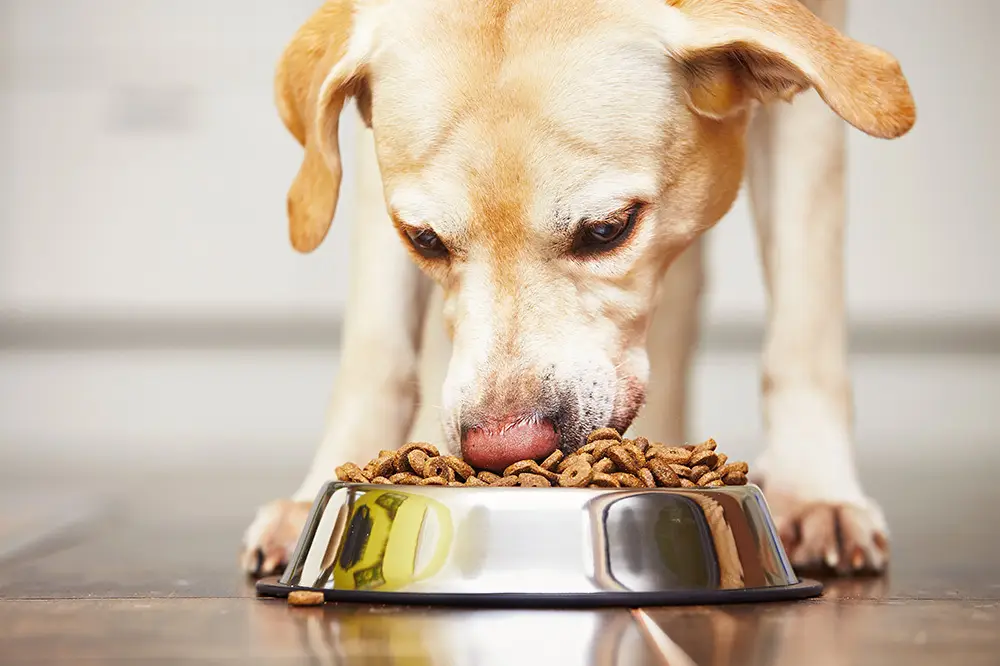
1. Does Wariness During Mealtime Always Mean Severe Food Guarding?
First, distinguish normal alertness from problematic food guarding. A healthy dog may look up or eat faster when you approach while eating. If it does not growl, raise its fur or snap, and stays calm when you touch the bowl or take food away, this is natural self-protection and requires no strict correction.
If your dog lowers its body, flattens ears and lets out deep growls the moment someone nears the food bowl, or lunges and bites when hands reach for food or bowls, this is dangerous food guarding. This behavior is shaped by instinct, past experiences and improper raising. You need to start professional training immediately.
2. Common Mistakes When Correcting Food Guarding
Many wrong approaches make food aggression worse. Some owners use force: snatching food, yelling or physically punishing the dog while it eats. This links human presence with fear and pain, strengthening its defensive drive and greatly increasing bite risks.
Others choose total indulgence. They stay far away during meals to avoid conflict. The dog gradually believes food belongs only to itself, and guarding habits become permanent and extremely hard to fix later.
Suddenly grabbing food, bones or treats without gradual training triggers the dog’s survival instinct and leads to fights. Some owners confuse food guarding with picky eating and try to coax the dog with snacks, which creates new bad habits.
In multi-dog homes, feeding dogs together without separation also encourages competition and group food guarding.
3. Safety & Behavioral Risks of Long-Term Severe Food Aggression
In the short term, trust between dogs and owners breaks down. Family members dare not clean bowls or replace food freely. For households with young kids or elderly people, sudden bites pose major safety threats.
Over time, the dog’s possessiveness expands from food to toys, beds and leashes, turning into resource guarding for all items. Chronic stress makes dogs irritable, suspicious and more likely to snap at strangers.
Tension during meals also harms digestion, causing rapid eating, choking, stomach upset and loose stools. Puppies who develop food guarding early will carry this habit into adulthood. Dogs punished for guarding may become timid, withdrawn or rebellious.
4. Quick Risk Prevention & Emergency Handling Tips at Home
Choose a quiet, separate area for feeding. Keep children and strangers away during mealtime. Never touch bowls or take food suddenly while the dog is eating.
If your dog growls or raises fur as a warning, stop moving immediately. Speak softly and calmly. Do not run away or shout. Wait until it relaxes before leaving slowly. If a bite happens, use cardboard or a leash to separate the dog instead of using bare hands. Always prioritize personal safety.
Note down triggers: whether the dog guards regular meals, treats or bones, and whether it reacts to family members or strangers. Put away high-value chews temporarily to reduce possessiveness. Keep the environment peaceful before and after meals to avoid extra stress.
5. Food Guarding Linked to Dog Age & Body Condition
Puppies (3 months to 1 year): Puppies are still learning rules. Mild guarding such as quick eating or soft whining is common. This age has the best learning ability, so early training can fully correct the problem. Puppies weaned too early or who fought over food with littermates tend to guard food more strongly.
Adult dogs (1 to 7 years old): Their behavior is fully formed. Sudden food guarding usually comes from past food loss, punishment, hunger or bad boarding experiences. Large, big-eating dogs show stronger possession and aggression. Lack of exercise and long-term stress also worsen guarding.
Senior dogs (7 years and older): Older dogs eat slower and feel less secure. They become extra protective over food, and guarding habits often return or get worse. Though they move slowly, their defense reactions are firm. Training for seniors must be gentle and slow without force.
Dogs who were underfed or skinny in the past usually have stronger fixation on food and more stubborn guarding behavior.
6. Breed Differences in Food Guarding Tendencies
Guardian breeds, rural mixed breeds and large molosser breeds have strong territorial and possessive instincts. Once food guarding forms, their aggression is obvious. Training requires patience and strict safety measures.
Large companion breeds like Golden Retrievers, Labrador Retrievers and Samoyeds are naturally gentle. Most food guarding comes from improper raising. They respond well to correct training, though their large size can still cause accidental injuries.
Medium breeds including Corgis, Shiba Inus and French Bulldogs have strong willfulness. Their guarding habits often relapse, so consistent rules are essential throughout training.
Small companion breeds such as Poodles, Bichon Frises and Pomeranians rarely deliver serious bites, but they frequently growl or hide to eat. Overspoiled small dogs may also snap at hands during meals.
Working and sporting breeds with high energy become more irritable and prone to guarding if they do not get enough daily exercise.
7. How Seasonal & Environmental Changes Affect Eating Habits
Spring: Metabolism and appetite rise. Dogs become more protective over food. More outdoor activities also let them learn food-guarding behavior from other dogs.
Summer: Hot weather reduces appetite and makes dogs picky and moody. Existing mild guarding often becomes worse. Humid days also increase overall anxiety and wariness.
Autumn: Dogs eat more to gain weight for cold weather. Their desire for food grows stronger, and guarding becomes noticeable. They may also guard food found outdoors.
Winter: Less exercise slows energy consumption. More time spent indoors strengthens territorial awareness, and dogs may guard beds as well as food.
Major changes such as moving, new bowls, new feeding spots, diet switches or new family members also create insecurity and worsen food guarding.
8. How to Manage Food Competition & Group Guarding in Multi-Dog Households
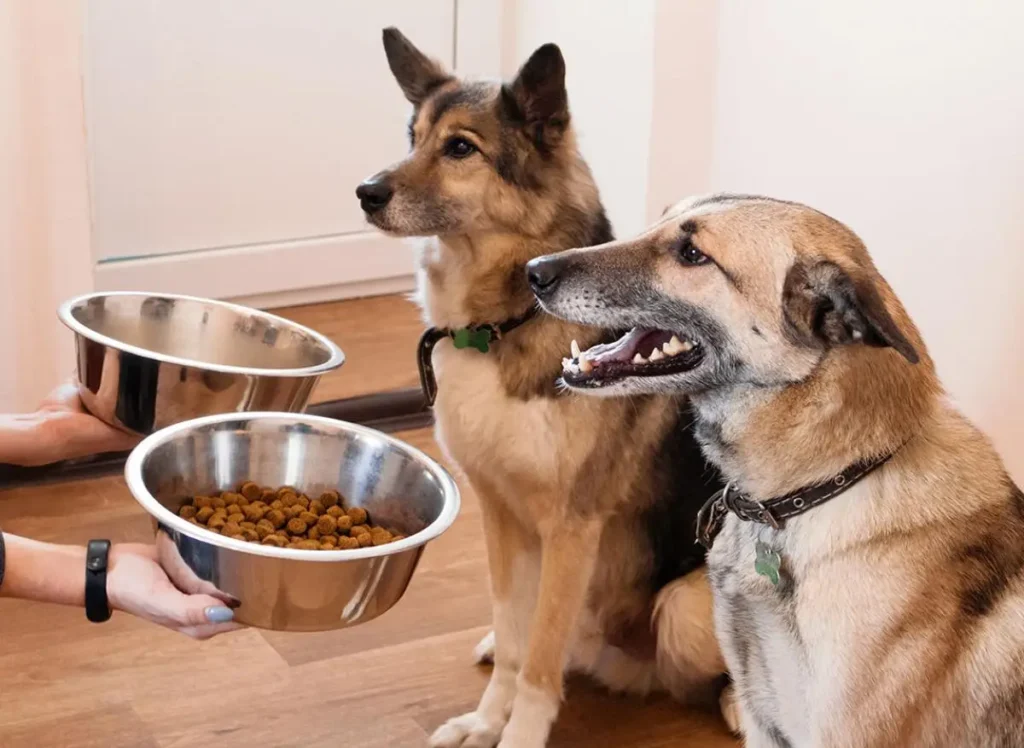
Dogs living in groups follow a strict pack order. Food guarding spreads quickly among them. The core rule is complete separation during feeding. Provide individual bowls and separate feeding zones out of each other’s sight to stop competition at the source.
Set a fixed feeding order based on age, size and personality, and do not change it randomly. Supervise all mealtimes and gently stop dogs from approaching another’s bowl.
Do not feed high-value treats or bones to the group at once. Give snacks one by one while they stay apart. Intervene promptly if dominant dogs bully weaker ones or steal food, to prevent long-term stress and defensive guarding.
Train all dogs with the same set of rules. Ensure enough food and regular parasite prevention to avoid mass food fights caused by hunger.
9. Full Analysis: Causes & Step-by-Step Behavior Correction Training
Combined with dog behavior studies, food guarding has four main causes. Below are detailed explanations and progressive, force-free training plans.
Four Main Causes of Food Guarding
Cause 1: Innate Survival Instinct
Dogs’ wild ancestors relied on food to survive. Food guarding is a genetically programmed self-defense. Even well-fed domestic dogs keep this instinct, with only different levels of intensity.
Cause 2: Negative Past Experiences
Fighting over food as puppies, prolonged hunger, having food snatched away, being punished while eating, or struggling for food while stray or boarded create a belief that “food can disappear anytime”. Dogs use growling and biting to protect their resources.
Cause 3: Confused Pack Hierarchy
Over-indulgence and missing basic rules make dogs think they rank higher than humans. They refuse human interference over food. Inconsistent discipline — spoiling sometimes and scolding other times — also confuses dogs and leads to repeated guarding.
Cause 4: Lack of Security
Frequent environment changes, long alone time, fright or tense home atmosphere make dogs anxious. Food becomes a source of comfort, and guarding helps them regain a sense of control.
Progressive Safe Correction Training (No Shouting, No Punishment)
Core principle: Use positive reinforcement and food swapping instead of snatching and punishment. Help your dog learn that human presence near food brings extra rewards. Keep a leash on during training for safety. Practice 10 to 15 minutes every day.
Stage 1: Desensitization from a Distance
While your dog eats calmly, stand 2 to 3 meters away and call its name. If it looks up without growling, toss a high-value treat toward it, then step back slowly.
Gradually shorten the distance day by day until you can stand right next to the bowl while the dog stays relaxed. Goal: Remove the link between “people approaching” and “danger”.
Stage 2: Hand Feeding During Meals
Once your dog accepts you standing beside it, offer treats from above without touching the bowl. Reward continuously as it eats calmly.
Next, place part of its regular meal in your open palm and let it eat from your hand. Move slowly and do not suddenly lift your hand. Goal: Let the dog accept hands near food.
Stage 3: Touching the Food Bowl
While feeding treats with one hand, gently touch the edge of the bowl with your other hand for 1–2 seconds and pull back. Reward heavily if no growling occurs.
Slowly extend touching time, then try moving and lifting the bowl. Return to the previous stage immediately if the dog shows signs of wariness. Goal: Allow people to touch and move the food bowl.
Stage 4: Food Swapping Practice
Use better treats to swap food, chews or bones in the dog’s bowl or mouth. Ask it to release the item, give your treat, then return its original food.
Gradually take small portions from the bowl and add new food in return. Help it understand that food being taken away means more food comes. Goal: Accept temporary removal of food.
Stage 5: Training with Multiple People
Let all family members repeat the above steps. Then invite calm, familiar friends to approach and offer treats gradually. This stage is key for dogs who only guard food from strangers.
Stage 6: Daily Rule Reinforcement
Stick to fixed mealtimes and feeding spots. Do not disturb or tease the dog while eating. Follow consistent rules at all times. Practice item swapping during play to prevent general resource guarding.
Targeted Solutions for Different Causes
- Instinct-based guarding: Keep regular desensitization training and maintain peaceful coexistence.
- Trauma-related guarding: Slow down training, spend more time building trust and never use punishment.
- Hierarchy confusion: Add basic obedience training such as sit and wait to establish clear rules.
- Anxiety-related guarding: Improve living environment, increase company and exercise, and use calming toys before meal training.
General Daily Prevention Plan
- Regular feeding: Stick to fixed time, place and bowls. Do not chase dogs to feed or interrupt meals randomly.
- Puppy early training: Start approach and hand-feeding training from weaning to prevent guarding from developing.
- Positive guidance: Always use reward-based training and protect mutual trust.
- Sufficient exercise: Release excess energy to reduce irritability and aggression.
- Stable environment: Avoid frequent changes to feeding areas and supplies to boost security.
- Safety education: Teach children and elderly family members not to disturb eating dogs.
10. FAQs About Dog Eating Behavior & Food Guarding
Q: My dog dislikes people near its bowl but never bites. Do I need training?
A: Basic desensitization is recommended. Mild wariness can turn into serious guarding without guidance.
Q: Should I deliberately snatch food while the dog eats to train it?
A: Absolutely not. Forcible snatching increases defense and greatly raises bite risks.
Q: My dog only guards bones and treats, not regular meals. Why?
A: Dogs have stronger possession over high-value items. Focus swap training on chews and snacks.
Q: Can I feed multiple dogs together without separation?
A: Not recommended. Group feeding easily causes fights and copied guarding behavior. Separate feeding is the safest choice.
Q: Can long-term adult food guarding be corrected?
A: Yes, but it takes longer training and plenty of patience. Always progress step by step.
Q: My dog stops guarding after being punished. Is it fully fixed?
A: No. This is only fear-based compliance. Inner wariness remains, and the problem will return once supervision eases.
Q: Should I move away when my dog starts growling over food?
A: Step back temporarily to avoid conflict at first. Then follow structured training instead of constant avoidance.