Why Do Dogs Chase Their Tails? Is It Normal Play or a Serious Health Warning?

Most dog owners have witnessed their furry friends spinning in circles and chasing or biting their own tails. Many pet parents find this behavior silly, cute, and entertaining, often recording videos and assuming it is just a harmless playful quirk or boredom habit.
However, occasional tail chasing is completely normal for dogs. But frequent, compulsive tail chasing, persistent biting, chewing the tail raw, and non-stop spinning is never just innocent play. It is a critical warning sign of underlying behavioral anxiety, excessive stress, physical discomfort, skin issues, parasitic infections, anal gland problems, or even neurological disorders. Ignoring repetitive tail-chasing behavior can lead to self-inflicted injuries, chronic skin infections, permanent obsessive-compulsive habits, and worsening mental stress. Combining professional veterinary knowledge and dog behavioral science, this guide distinguishes normal puppy play from pathological tail chasing, breaks down common owner mistakes, hidden physical and mental risks, emergency home intervention tips, and provides a complete step-by-step correction and care plan to help you identify root causes and fix the problem permanently.
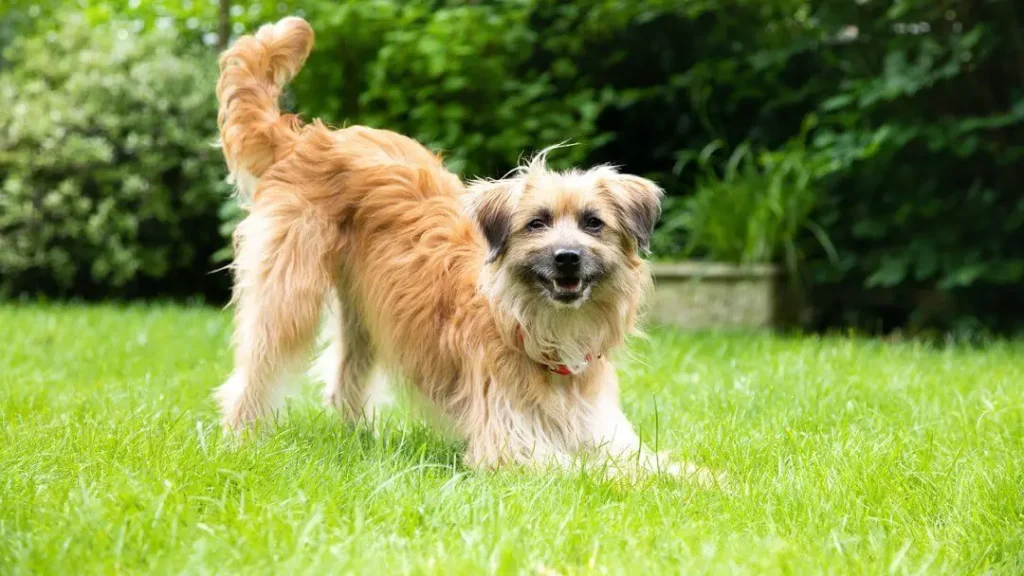
1. Is Tail Chasing Always a Sign of Sickness or Behavioral Issues?
It is essential to differentiate normal playful tail chasing from pathological compulsive tail chasing to avoid unnecessary worry or dangerous neglect.
Normal harmless tail chasing happens occasionally, lasts only a few seconds or minutes, and stops automatically. The dog remains relaxed, wagging its tail freely, with no biting, licking, or aggressive chewing on its tail. Its appetite, sleep, energy, and daily interaction stay completely normal. Puppies often chase their tails out of curiosity to explore their bodies or burn excess energy, which is a natural developmental behavior requiring no intervention.
Abnormal pathological tail chasing refers to daily repetitive spinning and non-stop tail chasing that the dog cannot control. The dog obsessively bites the tail tip or tail base, constantly licks the rear skin, and develops bald spots, redness, rashes, scabs, or open bleeding wounds. Some dogs spin wildly until they crash into furniture, showing obvious signs of anxiety and hyperactivity, especially when left alone. This abnormal behavior is triggered by physical pain, itching, anal discomfort, severe boredom, chronic stress, or neurological sensitivity and requires timely inspection, treatment, and behavioral correction.
2. Common Mistakes Owners Make When Correcting Tail Chasing
Most cases of worsening compulsive tail chasing stem from incorrect owner responses. These common mistakes reinforce bad habits and hide underlying health problems:
Mistake 1: Encouraging the behavior as cute. Many owners laugh, clap, take videos, and actively tease their dogs while they chase their tails. To dogs, this reaction means tail chasing earns owner attention and rewards. They will intentionally repeat the behavior, gradually turning occasional play into a fixed daily habit.
Mistake 2: Yelling, scolding or physical punishment. Harsh reprimands and forced stopping create intense fear and pressure. Stressed dogs tend to chase their tails more frequently to self-soothe, forming a vicious cycle: anxiety → tail chasing → punishment → worse anxiety.
Mistake 3: Stopping the behavior without investigating causes. Simply interrupting spinning without checking for skin itching, anal pain, parasites, or emotional stress only fixes the surface issue. The root discomfort remains, causing repeated relapses.
Mistake 4: Lack of interaction and mental stimulation. Long hours of solitude, insufficient playtime, and limited toys leave dogs with excess energy and extreme boredom. Tail chasing becomes their only way to entertain themselves, eventually developing into severe obsessive-compulsive behavior.
Mistake 5: Neglecting anal and rear hygiene. Infrequent anal gland expression and untrimmed messy rear hair cause anal odor, swelling, itching, and discomfort. Dogs repeatedly lick and bite their tails to relieve pain, which owners mistakenly view as playful spinning.
In multi-dog households, tail chasing is highly contagious. One dog’s repetitive spinning can trigger mimic behavior in other pack members, leading to group-wide bad habits without timely isolation and correction.
3. Physical & Mental Risks of Long-Term Compulsive Tail Chasing
Physical health risks: Continuous biting and licking damage tail hair follicles, causing hair breakage, bald patches, and broken skin. This leads to secondary bacterial infections, fungal dermatitis, eczema, pus formation, and chronic inflammation. Severe self-biting results in bleeding wounds, recurring scabs, and permanent tail skin damage. If the root cause is untreated anal gland infection or parasitic infestation, dogs will suffer from persistent rear swelling, pain, and difficulty sitting. Senior dogs may experience poor appetite, disrupted sleep, and declining physical fitness due to chronic discomfort.
Mental and behavioral risks: Frequent spinning and tail chasing are classic canine compulsive disorders. Without correction, dogs become increasingly neurotic, sensitive, and anxious. They trigger obsessive spinning whenever bored, alone, or faced with minor environmental changes, lacking self-calming ability. Long-term stress reduces focus and patience, causing secondary issues such as hyperactivity, excessive barking, and destructive chewing.
Additionally, rapid spinning causes dizziness, loss of balance, and frequent collisions with walls and furniture, increasing injury risks. Repetitive twisting movements also strain the lumbar spine and joints, leading to chronic physical discomfort over time.
4. Emergency Home Intervention & Calming Techniques
When your dog starts obsessively chasing and biting its tail, never shout or punish, as this amplifies anxiety. Use a gentle distraction method: offer favorite toys, treats, or interactive games to naturally redirect attention and stop the spinning behavior calmly.
Quick home health check: Lift the tail fur to inspect for redness, rashes, dandruff, scabs, or open wounds on the tail base and tip. Check the anal area for swelling, dampness, foul odor, or stuck feces. Observe whether your dog frequently scoots on the floor, licks its anus, or appears restless and uncomfortable.
Temporary protection measures: If self-biting wounds exist, put an Elizabethan collar on your dog to prevent further licking and biting. Keep tail and rear fur clean and dry to avoid bacterial growth. Reduce alone time and increase gentle companionship to relieve boredom and stress.
Short-term behavioral control: Maintain a quiet home environment and avoid loud noises, frequent stranger visits, or overexciting activities that trigger hyperactivity. Reduce intense high-energy exercise temporarily to prevent excess energy from worsening spinning. Record when the behavior occurs — during boredom, solitude, or excitement — to accurately identify root causes for targeted correction.
5. How Age, Body Condition & Fitness Affect Tail-Chasing Behavior
Puppies (3 months – 1 year old): Puppies are in a critical stage of body cognition and high energy bursts. Curiosity about their tails, insufficient daily exercise, and long hours of solitude commonly trigger playful tail chasing. Most puppy tail chasing is temporary and easy to correct with proper guidance. Timid, socially underdeveloped, and sensitive puppies often use tail spinning to relieve nervousness, forming persistent habits more easily.
Adult Dogs (1 – 7 years old): Healthy adult dogs rarely chase their tails without reason. Continuous compulsive tail chasing in adulthood is almost always caused byacquired physical or mental issues, including anal gland discomfort, skin itching, parasite bites, chronic loneliness, and unburned energy. Overweight, sedentary, indoor-only dogs have slower metabolism and accumulated stress, making them far more prone to tail-chasing habits.
Senior Dogs (7+ years old): Senior dog tail chasing requires serious attention. Besides skin and anal discomfort, most elderly dogs experience degraded sensory functions, weakened nerve response, and canine cognitive dysfunction (dog dementia). Common symptoms include aimless repetitive spinning, compulsive tail chasing, and nighttime restlessness. Senior dogs have slow recovery abilities; persistent abnormal spinning requires immediate veterinary checks for neurological and organ degeneration issues.
6. Dog Breed Differences in Tail-Chasing Tendencies & Risk Levels
High-risk sensitive companion breeds: Toy breeds including Poodles, Bichon Frises, Pomeranians, and Chihuahuas are emotionally sensitive, clingy, and prone to separation anxiety. They are the most likely to develop compulsive tail-chasing disorders. Their compact anal structures easily trap dirt and clog anal glands, causing persistent rear discomfort and frequent tail biting.
High-energy working breeds: Border Collies, Huskies, Corgis, and Shiba Inus have extreme exercise needs. Insufficient daily walking and mental stimulation leave massive unspent energy, which converts into stereotypical repetitive behaviors such as spinning and tail chasing. Their tail-chasing issues are mostly energy and stress-related.
Short-haired skin-sensitive breeds: French Bulldogs, English Bulldogs, and Beagles have delicate skin prone to eczema, damp rashes, and itching. Their rear areas trap heat and moisture easily, causing constant discomfort that leads to repetitive tail biting and scooting, mostly triggered by skin health problems.
Calm large-breed dogs: Golden Retrievers, Labradors, and Samoyeds have stable temperaments and rarely chase tails out of boredom. Frequent tail chasing in these breeds usually indicates underlying organic problems such as skin disease, parasite infestations, or chronic pain, requiring priority health screening.
7. How Seasonal & Environmental Changes Trigger Tail Chasing
Spring: Increased pollen, dust, mosquitoes, and mites cause seasonal skin allergies and itching in dogs’ tails and rear areas. Surging spring energy makes dogs hyperactive indoors, and insufficient exercise significantly increases tail-chasing frequency.
Summer: Hot, humid weather traps sweat and moisture in rear and tail fur, breeding fungi and bacteria that cause dermatitis and intense itching. Frequent improper summer bathing strips skin protective oils, further worsening skin sensitivity and compulsive tail biting.
Autumn: Dry autumn air causes dehydrated skin, dandruff, and generalized itching. Drastic temperature fluctuations and environmental changes make dogs emotionally restless, increasing anxiety-induced compulsive spinning and tail chasing.
Winter: Reduced outdoor exercise and long indoor confinement leave dogs bored and under-stimulated, easily forming fixed tail-chasing habits. Dog clothes and thick blankets trap heat around the rear, causing stuffiness, dampness, and persistent discomfort that triggers tail biting.
Additionally, home renovations, moving houses, new pet additions, loud noise disturbances, and disrupted daily routines spike dog stress levels, causing temporary but severe compulsive tail-chasing episodes.
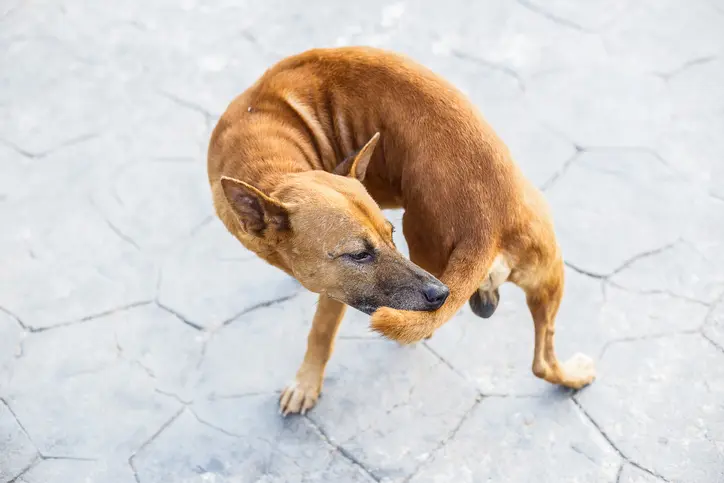
8. How to Manage Mimic Tail-Chasing Behavior in Multi-Dog Households
Dogs have strong social mimicry instincts. A single tail-chasing dog can quickly influence the entire pack, turning an individual behavioral issue into a household-wide bad habit. The core management principles are timely interruption, individual correction, and environmental stress reduction.
Interrupt spinning immediately once observed to prevent habit consolidation. Temporarily isolate obsessive tail-chasing dogs to stop behavioral contagion and avoid continuous imitation by other pets.
Conduct unified group health checks: If multiple dogs start chasing tails and scooting simultaneously, inspect for environmental mites, fungal outbreaks, missed parasite prevention, and widespread anal gland congestion. Perform full-home disinfection and unified pet grooming and deworming.
Arrange differentiated exercise plans: Provide extra physical and mental exercise for high-energy breeds to eliminate excess energy. Increase group interactive games and scent training to enrich daily routines and reduce boredom-induced stereotypical behaviors. Never watch, tease, or laugh at dogs’ tail-chasing actions to avoid reinforcing bad habits in the whole pack.
9. Full Analysis: Root Causes & Complete Correction & Care Guide
Dog tail chasing is never a single playful behavior. It results from a combination of physical discomfort, psychological anxiety, habit reinforcement, and energy imbalance. Below is a detailed breakdown of all core causes and a full set of targeted health care and behavioral correction solutions.
Six Core Causes of Frequent Tail Chasing
Cause 1: Excess energy and chronic boredom (Most common mild cause)
Insufficient daily exercise, monotonous toys, long solitude, and lack of owner interaction leave dogs with unburned energy. Tail spinning and chasing become their primary self-entertainment method, gradually forming fixed repetitive habits, especially common in puppies and high-energy breeds.
Cause 2: Tail skin itching and chronic skin disease
Fungal infections, bacterial dermatitis, eczema, dandruff, and seasonal allergies cause persistent itching on the tail base, hips, and rear skin. Dogs spin and bite repeatedly to relieve irritation, which is an obvious physical discomfort signal.
Cause 3: Anal gland blockage and rear health issues
Swollen, inflamed, or impacted anal glands cause constant swelling, pain, and foul odor. Matted rear hair and residual feces lead to damp inflammation. Dogs chase their tails and scoot frequently to relieve anal pressure and itching, the top cause of adult dog tail chasing.
Cause 4: External parasite irritation
Fleas, mites, and ticks hiding in rear and tail fur cause stinging and biting sensations. Dogs spin wildly to catch and remove parasites, resulting in non-stop tail chasing. This issue peaks during seasonal transitions with neglected deworming schedules.
Cause 5: Chronic stress, anxiety and obsessive-compulsive disorder
Long-term solitude, loud environments, frequent scares, and irregular routines keep dogs in a constant state of tension. Tail spinning becomes a self-soothing mechanism, eventually solidifying into uncontrollable obsessive-compulsive behavior.
Cause 6: Senior cognitive decline and neurological degeneration
Aging dogs experience weakened nerve function and cognitive impairment, leading to dementia-like symptoms including aimless spinning, meaningless tail chasing, and nighttime restlessness, belonging to serious organ and neural degeneration warnings.
Targeted Behavioral Correction & Health Care Solutions
1. Energy surplus tail chasing: Energy diversion & consumption training
Extend daily walking time and add scent work and fetch games to fully burn excess energy. Equip indoor puzzle feeders, chew toys, and interactive toys to enrich solo play and eliminate boredom. Build a fixed daily routine to reduce idle time and eradicate self-entertainment tail chasing from the root.
2. Itching-induced tail chasing: Professional skin care & treatment
Groom tail and rear hair regularly, keep the skin dry and breathable, and trim overgrown sanitary hair. Use pet-safe antibacterial and anti-itch sprays for mild dandruff and rashes; seek veterinary treatment for severe fungal or mite infections. Stick to strict monthly external deworming to prevent parasite irritation.
3. Anal gland discomfort tail chasing: Specialized rear care
Express anal glands regularly every 1–2 months for small and medium breeds, with shorter intervals for prone dogs. Check for rear dampness, swelling, and odor daily to maintain clean and dry sanitary areas. Feed a light, low-fat diet to prevent thick anal gland secretions and recurring blockages and inflammation.
4. Attention-seeking tail chasing: Habit elimination training
Completely stop laughing, filming, teasing, and any form of positive reinforcement for tail chasing. Distract your dog silently and gently during episodes without giving verbal or physical attention. Reward and praise your dog heavily during calm, quiet moments to reinforce desirable behavior.
5. Anxiety-induced tail chasing: Emotional soothing & desensitization
Reduce alone time, increase gentle petting and companionship, and maintain a stable, quiet living environment. Avoid frequent moving, loud noises, and excessive stranger stimulation. Use pet calming toys and soothing music to relieve chronic anxiety and gradually fade compulsive spinning habits.
6. Senior neurological tail chasing: Veterinary examination & gentle maintenance
Senior dogs with sudden aimless tail chasing and nighttime restlessness require urgent neurological and physical examinations. Follow veterinary guidance for nutritional conditioning and stress reduction to ease cognitive and nerve degeneration symptoms.
General Daily Prevention Plan
1. Balanced exercise routine: Match daily exercise intensity to your dog’s age, size, and energy level to avoid long-term indoor inactivity.
2. Regular deworming & skin care: Maintain strict internal and external deworming schedules, and keep tail and rear skin clean and dry to prevent itching.
3. Professional anal hygiene: Express anal glands regularly and trim sanitary hair to prevent dirt accumulation and blockages.
4. Positive behavioral guidance: Never tease, punish, or reinforce tail-chasing behavior; always redirect attention gently.
5. Enriched indoor environment: Prepare puzzle toys and chew tools to eliminate solo boredom.
6. Stable mood & routine: Maintain regular schedules and a quiet environment to reduce stress accumulation.
7. Weekly health self-check: Inspect tail skin and anal conditions weekly for early detection and intervention of potential issues.
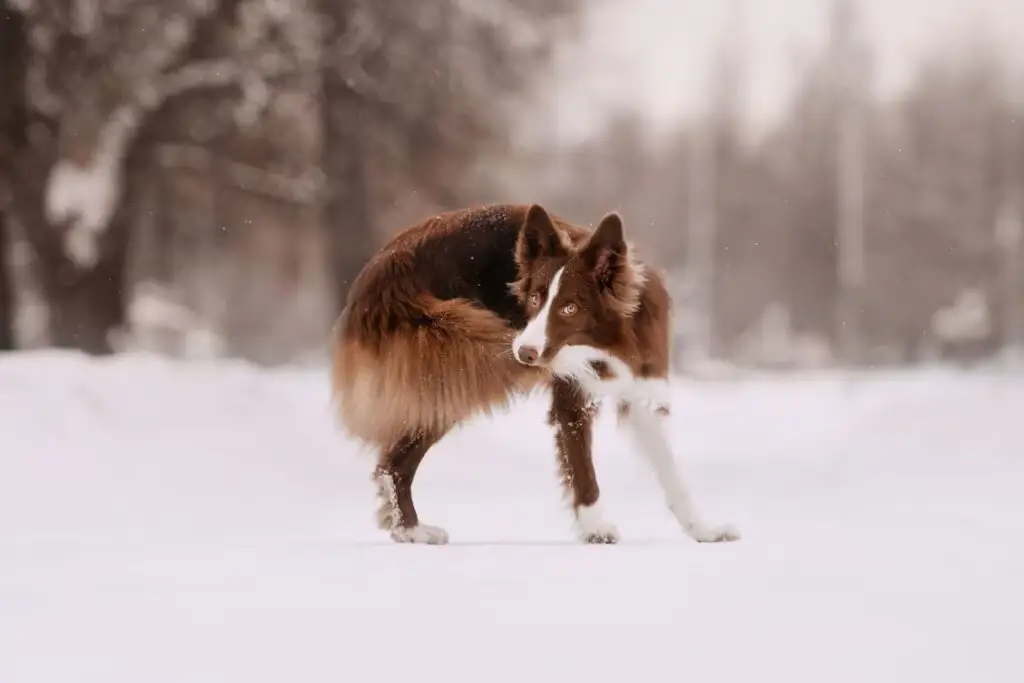
10. FAQs About Dog Tail-Chasing Behavior
Q: Should I stop my puppy from chasing its tail occasionally?
A: No. Short, occasional tail chasing is normal puppy self-exploration and energy release. It requires no intervention as long as there is no biting, excessive frequency, or health impact.
Q: Is non-stop uncontrollable tail chasing a sign of dog OCD?
A: Yes. Daily repetitive, unstoppable tail spinning that ignores external interference is a typical canine obsessive-compulsive disorder, caused by long-term boredom, anxiety, and bad habit reinforcement, requiring systematic behavioral correction.
Q: What does it mean if my dog chases its tail and scoots on the floor?
A: This usually indicates anal gland blockage and inflammation, rear damp itching, or internal parasite irritation. Prioritize checking anal gland health and deworming status for timely care.
Q: Can scolding and punishment fix tail-chasing habits?
A: No. Punishment increases canine fear and stress, worsening anxiety-driven tail chasing and triggering additional behavioral problems.
Q: Why does my dog only chase its tail when left alone?
A: This is typical solo anxiety and boredom behavior. Human presence distracts their attention, while solitude triggers accumulated stress and fixed compulsive spinning habits.
Q: My dog has healthy tail skin but still chases its tail nonstop. Why?
A: This is purely a behavioral issue caused by psychological anxiety, excess energy, or long-term conditioned habits. Focus on energy drainage and behavioral correction for improvement.
Q: Should I take my senior dog to the vet for sudden tail chasing?
A: Yes, veterinary checks are highly recommended. Sudden compulsive tail chasing in senior dogs is closely linked to cognitive degeneration, neurological problems, and visceral discomfort, rather than simple playfulness.