Why Is Your Cat Drinking More Water Suddenly? Hidden Health Issues & Key Observations

Cats usually maintain a stable drinking routine. A sudden sharp increase in water intake is rarely just simple thirst. Many cat owners overlook this warning sign, assuming hot weather or dry food are the only causes. Excessive drinking and urination are critical red flags, which may point to various illnesses related to metabolism, kidneys and the urinary system. Combining professional veterinary experience, this article covers all potential causes of increased water consumption in cats. We differentiate normal physical changes from abnormal symptoms, list key observation points, home care tips and practical solutions. Follow this guide to detect hidden health risks early and protect your cat’s well-being.
1. Does Increased Water Drinking Always Mean Your Cat Is Sick?
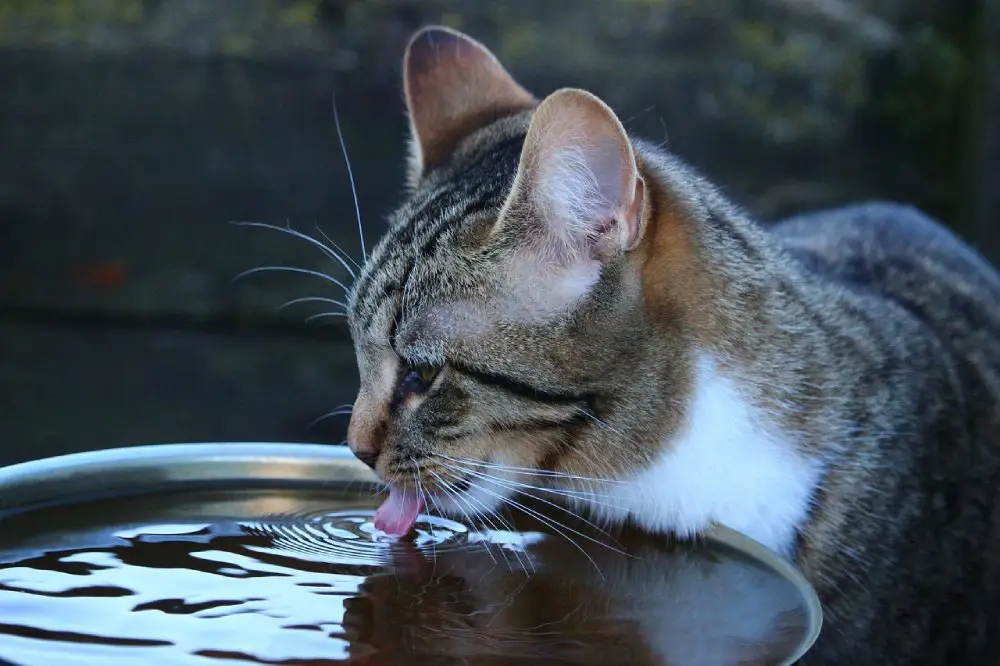
It is essential to tell apart physiological and pathological polydipsia. A moderate rise in water intake is normal when switching to dry kibble, facing hot weather, dry indoor air or after intense activity. In these cases, cats keep normal energy, appetite and urination patterns, so no extra concern is needed.
However, if your cat drinks twice as much water as usual, hangs around water bowls constantly and searches everywhere for water, accompanied by frequent litter box visits, excessive urination, lethargy, changed appetite or weight loss, this is pathological polydipsia. It indicates disorders of internal organs or metabolic systems, and requires timely examination and treatment.
2. Common Mistakes When Noticing Sudden Polydipsia in Cats
Many owners make wrong judgments and improper handling. Some ignore the issue completely and miss the best treatment window. Others deliberately restrict water supply, which leads to severe dehydration and extra strain on organs. Some only focus on drinking behavior while ignoring urination frequency, volume and urine condition. Trying to replace food or snacks blindly cannot solve the root problem. Senior cats’ excessive drinking is often mistaken for normal aging, while chronic kidney disease and hyperthyroidism are overlooked. In addition, placing multiple water bowls without regular cleaning breeds bacteria and triggers secondary gastrointestinal problems.
3. Health Risks of Long-Term Abnormal Drinking and Urination
If excessive drinking is caused by diseases, prolonged neglect will continuously damage vital organs. Kidney conditions destroy nephrons and eventually lead to renal failure, accompanied by vomiting, anemia and general weakness. Endocrine disorders disrupt metabolism, resulting in steady weight loss, irregular heart rate and restlessness. Urinary system issues cause frequent painful urination or even complete urinary blockage, which can be life-threatening.
Persistent heavy drinking and urination also cause electrolyte imbalance and nutrient loss. Cats will become underweight with dull fur and low immunity, and easily develop colds, skin diseases, oral inflammation and other complications. Their overall physical condition will keep declining.
4. Simple Home Tips for Observation & Water Management
Place water bowls in fixed spots for easy access. Replace drinking water with fresh cool boiled water every day and avoid raw water or overnight water. Keep a simple record of daily drinking frequency, approximate water volume and urination times to provide references for veterinary visits. Never force or restrict your cat’s water intake. Adjust indoor temperature and humidity properly, especially during hot weather to relieve natural thirst. Observe litter box habits closely and note urination duration, volume, difficulty or blood in urine.
5. Connection Between Abnormal Water Intake and Cat Age & Body Condition
Kittens aged 3 months to 1 year have fast metabolism and high activity levels. A slight rise in drinking is normal. If young kittens drink excessively along with diarrhea and low energy, check for gastroenteritis or parasites.
Adult cats from 1 to 7 years old have stable drinking habits. A sudden increase is mostly linked to diet, environment or urinary tract inflammation.
Senior cats over 7 years old belong to the high-risk group. Declining kidney function, hyperthyroidism and diabetes commonly present with excessive drinking and urination as early symptoms. Full health checks are strongly recommended once abnormalities appear.
Overweight cats have a much higher risk of developing diabetes, kidney disease and heart problems, so they are more likely to suffer from abnormal water intake.
6. Differences in Drinking Habits & Disease Risks Among Cat Breeds
Most domestic cats share similar drinking habits. Short-haired breeds such as British Shorthairs, American Shorthairs and mixed domestic cats usually only show physiological changes in water intake. Long-haired breeds including Ragdolls, Persians and Chinchillas have thick fur that slows down heat dissipation. They naturally drink more in summer and carry a higher risk of hereditary kidney disease.
Siamese and Oriental Shorthairs are more prone to hyperthyroidism, which causes unexplained heavy drinking, restlessness and weight loss. Special breeds like Scottish Folds and Munchkins may also change drinking patterns due to stress from joint pain. For breeds that naturally drink little water, any sudden rise in intake signals a higher possibility of illness and requires close attention.
7. How Seasonal and Environmental Changes Affect Cat Water Consumption
Cats mainly release heat through grooming and drinking. Water intake rises noticeably in hot summer, which is a typical physical reaction. Dry heated or air-conditioned rooms in winter also increase water demand due to moisture loss from respiratory tracts and skin.
Sharp temperature swings in spring and autumn weaken immunity and may cause colds or inflammation, indirectly altering drinking habits. Moving home, renovation, loud noise and long-term loneliness lead to stress and metabolic disorders. Moreover, cats fed purely dry kibble always need more water than those eating wet food or canned meals.
8. Tips to Identify Individual Drinking Issues in Multi-Cat Households
When multiple cats share one water bowl, add separate water stations to monitor each cat’s drinking clearly. Although urinary and kidney diseases are not contagious, thoroughly clean and disinfect litter boxes and drinking areas regularly.
If all cats drink more water together, the cause is likely weather or diet. If only one cat drinks excessively, uses the litter box frequently and acts listless, it definitely has individual health problems. Provide separate feeding and activity zones to reduce stress from resource competition, and track the sick cat’s condition independently.
9. Full Analysis: Causes, Observation Checklist & Solutions for Excessive Drinking
Two Main Causes of Sudden Increased Water Intake
1. Physiological Causes (No Medical Visit Required, Simple Adjustment Works)
- Changed diet: Switching from wet food to dry kibble or adding dry treats reduces food moisture and makes cats drink more.
- Temperature & environment: Hot weather, dry air after heating or air conditioning, and extra water loss after intensive play all trigger thirst.
- Temporary stress: Visitors, outdoor trips or minor scares may cause short-term nervousness and increased drinking, which returns to normal after calming down.
2. Pathological Causes (High-Risk Signs, See a Vet Promptly)
- Chronic Kidney Disease The most common illness in senior cats. Impaired kidney function fails to retain water. Typical symptoms: extreme thirst, frequent urination especially at night, gradual weight loss, dull fur, low energy, later accompanied by vomiting, bad breath and anemia.
- Hyperthyroidism Common in middle-aged and senior cats. Hormone disorders speed up metabolism. Signs include ravenous appetite with weight loss, restlessness, rapid heartbeat and nighttime activity.
- Diabetes Mellitus More common in overweight cats. Abnormal blood sugar causes osmotic diuresis. Cats drink and urinate heavily, eat more but lose weight rapidly. Severe cases lead to lethargy and ketoacidosis.
- Urinary Tract Diseases Cystitis, infections and stones bring discomfort during urination. Cats drink more, squat frequently with small urine volume, cry in pain while using litter boxes or have blood in urine. Complete urinary blockage is a life-threatening emergency.
- General Inflammation & Infections Gastroenteritis, systemic inflammation and parasites cause fever and dehydration. Cats drink large amounts of water instinctively, usually with diarrhea, vomiting and lack of activity.
Core Home Observation Checklist
- Drinking water: Compare daily intake, check if the cat stays by water bowls or searches for water everywhere.
- Urination: Count litter box visits, check urine volume, signs of straining, pain or hematuria.
- Appetite & weight: Notice sudden increase or loss of appetite and rapid weight change.
- Energy level: Watch for drowsiness, irritability, disrupted sleep cycle and reduced willingness to interact.
- Other symptoms: Check for vomiting, bad breath, dry coat, swollen abdomen and abnormal movement.
Targeted Solutions
- Physiological increased drinking
Keep fresh and sufficient water. Cool the room in hot seasons and maintain proper humidity. Mix dry and wet food instead of feeding kibble exclusively. Minimize environmental stress and keep observing until intake stabilizes.
- Suspected urinary tract problems
Stop feeding high-salt snacks and low-quality cat food. Keep litter boxes clean. Seek emergency veterinary care immediately once urinary blockage, pain or blood appears, as it may cause kidney failure or bladder rupture.
- Suspected kidney disease, hyperthyroidism or diabetes
Take your cat for a full veterinary checkup including blood work, biochemistry, urine test and thyroid function test. Follow the vet’s guidance for medication, prescription diet and regular re-examinations for long-term home care.
- Inflammation or gastrointestinal issues
Use anti-inflammatory and gastrointestinal regulating drugs as prescribed. Feed small portions of easily digestible food multiple times a day, and ensure steady water supply to prevent dehydration.
10. Frequently Asked Questions About Abnormal Water Intake in Cats
Q: Should I limit my cat’s water when it drinks more in summer?
A: No. More water intake in hot weather is a normal physical need. Always provide enough clean water and never restrict access.
Q: Is it worrying if a cat fed mainly wet food suddenly drinks a lot?
A: Yes. Wet food contains high moisture, so cats normally drink little extra water. A sudden rise strongly suggests health problems, and a full checkup is recommended.
Q: My cat drinks and urinates more but has good appetite and energy. Do I still need a checkup?
A: Yes. In the early stages of kidney disease, hyperthyroidism and diabetes, appetite and energy may remain normal. Early screening helps with timely intervention and treatment.
Q: Can I replace plain water with milk or soup for hydration?
A: Not recommended. Most cats are lactose intolerant and milk easily causes diarrhea. Rich soup contains excessive salt and fat, which adds burden to kidneys and the urinary system. Cool boiled water is the best choice.