What to Do If Your Cat Keeps Sneezing? Guide to Distinguish Colds, Allergies & Feline Herpesvirus

Frequent sneezing is a common issue among pet cats. Most cat owners immediately assume their feline friend has caught a cold. In fact, sneezing is just a reaction to irritated respiratory tracts. The main triggers include common colds, environmental allergies and feline herpesvirus (cat flu). These three conditions differ greatly in symptoms, risks and treatments. Improper care based solely on cold remedies can worsen the situation, leading to recurring infections, pneumonia and other severe complications.
Combining professional veterinary knowledge, this guide clearly differentiates colds, allergies and feline herpesvirus infections. It analyzes all possible causes of persistent sneezing, and shares practical tips for home observation, daily care, prevention and targeted treatment. Learn to identify problems accurately and protect your cat’s respiratory health scientifically.
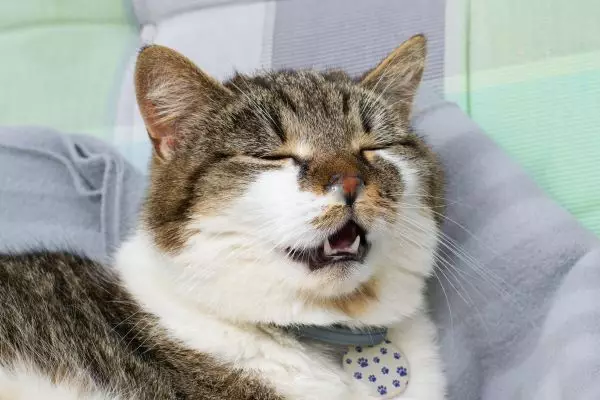
1. Does Sneezing Always Mean Your Cat Has a Cold?
It is critical to tell apart three major conditions. Common colds, environmental allergies and feline herpesvirus all cause sneezing, yet their symptoms vary significantly.
A regular cold is usually triggered by cold air or drastic temperature changes. Symptoms are mild, with occasional sneezing and clear nasal discharge. Cats remain active with normal appetite and energy. Environmental allergies are non-infectious. Cats start sneezing continuously after exposure to dust, pollen, scented cat litter or strong odors, and recover quickly once away from irritants. Fever and thick pus discharge rarely occur.
Feline herpesvirus is a highly contagious viral disease. Besides severe and frequent sneezing, it leads to yellow-green pus from eyes and nose, fever, mouth ulcers and extreme lethargy, which is a serious health threat. In addition, foreign objects stuck in the nasal cavity, chronic rhinitis and dental issues can also cause repeated sneezing. Accurate diagnosis is essential for proper treatment.
2. Common Mistakes When Dealing With a Sneezing Cat
Many improper practices delay recovery or aggravate illness. Giving cats human cold medicine or antibiotics arbitrarily can damage their liver and kidneys, or even cause fatal poisoning. Some owners only keep the cat warm and provide warm water, ignoring warning signs such as pus discharge and eye inflammation, allowing viral infections or severe inflammation to progress.
Continuing to use scented cat litter, air fresheners, mosquito repellent and perfume keeps irritating the respiratory system. Forcibly wiping a cat’s nose and eyes may cause stress and resistance. In multi-cat households, failing to isolate sick cats results in widespread virus transmission. Treating allergy symptoms as a cold and using unnecessary medication will never solve the root problem.
3. Multiple Harms Caused by Long-Term Recurring Sneezing
An untreated common cold may develop into bronchitis or pneumonia, accompanied by coughing, breathing difficulties and persistent fever, making treatment much harder. Recurrent sneezing from allergies leads to chronic rhinitis, with inflamed nasal mucosa that reacts to even minor irritants and is hard to cure completely.
If feline herpesvirus is left untreated, the virus attacks the respiratory tract, eyes and mouth, causing conjunctivitis, corneal ulcers and stomatitis. Kittens may suffer from systemic infection, dehydration and even death. Long-term respiratory discomfort reduces appetite and sleep quality, weakening the immune system. Cats become vulnerable to secondary problems such as ear mites, skin diseases and gastrointestinal disorders, resulting in weight loss and poor vitality.
4. Easy Home Remedies to Relieve Cat Sneezing
Identify and remove potential irritants right away. Replace scented or dusty cat litter, and keep air fresheners, perfume and dust-generating items out of reach. Open windows moderately for fresh air. Keep your cat warm and away from direct air conditioning and cold drafts, especially during the night.
Gently wipe discharge from the corners of eyes and nose with sterile cotton dampened with warm water, and avoid injuring delicate mucous membranes. Provide plenty of fresh water to soothe the respiratory tract. Minimize playing, outdoor trips and guest visits to let the cat rest fully. Keep a record of sneezing frequency, discharge conditions and overall mood to assist later diagnosis and veterinary treatment.
5. Links Between Sneezing and Cat Age & Body Condition
Kittens aged 3 months to 1 year have underdeveloped respiratory systems and immune functions. They are prone to colds, feline herpesvirus and calicivirus. Diseases progress rapidly in young kittens and carry high risks, so extra care is required.
Adult cats from 1 to 7 years old have stable physical conditions. Occasional sneezing is mostly caused by mild colds or allergies with fast recovery. Continuous sneezing with pus discharge and eye problems usually indicates recurring virus or secondary infection.
Senior cats over 7 years old have declining organ functions and often live with chronic rhinitis and underlying diseases. Their respiratory tracts are fragile, so sneezing tends to relapse frequently and takes longer to heal. Overweight and inactive cats have heavier cardiorespiratory burdens and weaker respiratory resistance, getting sick more easily than cats with healthy body shapes.
6. Breed Differences in Respiratory Sensitivity and Disease Risks
Flat-faced breeds such as Exotic Shorthairs, British Shorthairs and Persians have naturally short and narrow nasal passages. They are highly sensitive to dust, temperature changes and strange smells, and frequently suffer from sneezing and respiratory inflammation.
Long-haired breeds have abundant loose fur and dander that increase indoor dust. Their thick coat may block the mouth and nose, and poor cleaning further irritates the respiratory tract. Siamese and Oriental Shorthairs have sensitive constitutions and often sneeze during seasonal changes or environmental adjustments.
Domestic mixed cats generally have strong physical fitness and better respiratory tolerance, so colds and allergies occur less often. Nevertheless, all cat breeds can contract feline herpesvirus with no natural immunity.
7. How Seasonal & Environmental Changes Affect Cat Respiratory Health
Drastic temperature swings in spring and autumn greatly increase the chance of colds. Rising pollen and dust also trigger more allergic sneezing. Hot and humid summer weather creates a closed, poorly ventilated environment where mold and bacteria thrive and irritate nasal tissues. Direct cold air from air conditioners easily causes colds.
In winter, low temperatures and closed windows lead to stale, dry indoor air. Heating systems worsen dryness, making nasal mucous membranes fragile. Chronic rhinitis and old illnesses tend to flare up during this period.
In addition, moving house, renovation, new furniture, cat litter replacement and indoor smoking produce strong odors and dust, which are common triggers for sneezing.
8. Important Tips for Multi-Cat Households With Sneezing Cats
Viruses and bacteria spread quickly among groups of cats. Isolate any cat with severe sneezing and pus discharge immediately to protect healthy pets. Switch all litter to low-dust, unscented types, and conduct thorough indoor cleaning and deodorization. Stop using irritating products such as aromatherapy and strong detergents.
Provide separate food bowls, water bowls, litter boxes and grooming tools, and disinfect supplies regularly. If all cats only sneeze occasionally with no discharge, the issue is likely dust or allergies. If multiple cats develop pus discharge, swollen eyes and fever one after another, contagious respiratory virus is confirmed. Monitor the appetite and energy of every cat closely, as vulnerable kittens and timid cats may get worse due to stress.
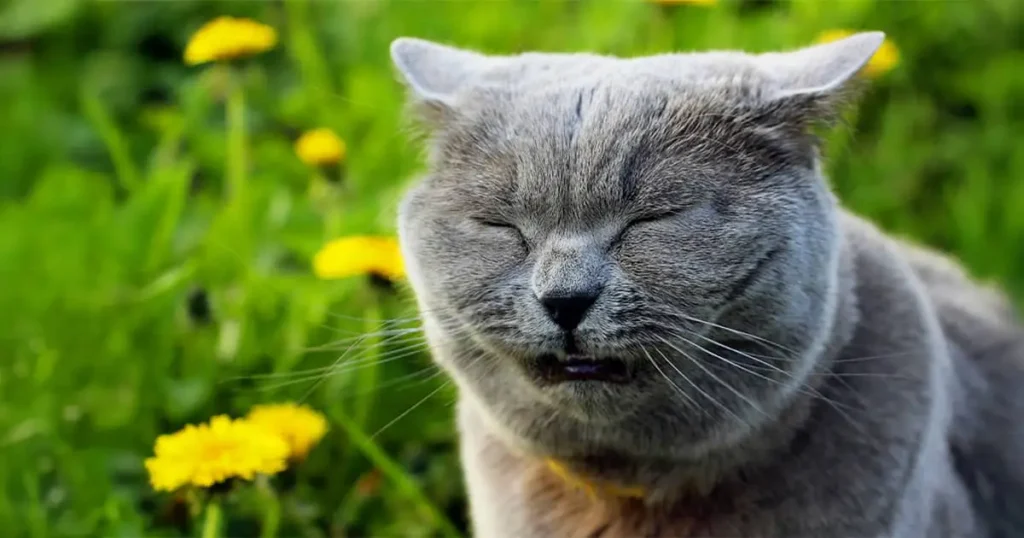
9. Full Guide: Identify Causes & Complete Solutions for Cat Sneezing
1. Core Differences Between Colds, Allergies and Feline Herpesvirus
Common Cold (Non-contagious)
Typical symptoms: Occasional sneezing with clear, watery nasal discharge. No pus. Body temperature, appetite and activity remain normal. Usually occurs after exposure to cold wind or sudden temperature changes. Features: Short course of illness. Most cats recover within 3 to 5 days with proper warmth and care, and it will not spread to other cats.
Environmental Allergies (Non-infectious & Non-contagious)
Typical symptoms: Sudden bursts of rapid sneezing and frequent nose-rubbing. Little to no nasal discharge. Symptoms ease noticeably within minutes to hours after leaving the irritating area. Episodes happen all year round and worsen in dusty or pollen-heavy seasons. Common allergens: Dust, litter dust, pollen, aromatherapy, perfume, tobacco smoke, chemical sprays and synthetic fabrics.
Feline Herpesvirus (Highly Contagious)
Typical symptoms: Frequent violent sneezing, thick yellow-green pus from eyes and nose, red swollen conjunctiva and photophobia. Accompanied by fever, loss of appetite, lethargy, mouth ulcers and excessive drooling. The condition worsens rapidly and poses great danger to kittens. Features: The virus stays latent inside the cat’s body for life. Symptoms flare up when the cat catches cold, feels stressed or has low immunity. Full eradication is impossible.
Other Possible Causes
Foreign objects or fur stuck in the nose: Sneezing mainly from one nostril, occasional head shaking and no obvious discharge. Dental diseases or nasal inflammation: Long-term repeated sneezing, bad breath and difficulty eating.
2. Targeted Treatment & Care Plans
Case 1: Common Cold
Focus on home care. Keep the cat warm and ensure proper ventilation. Provide plenty of fresh water and nutritional supplements to boost immunity. Gently clean nasal and eye discharge daily. Observe the cat for 3 to 5 days. Seek veterinary help promptly if symptoms worsen, or coughing and pus discharge appear.
Case 2: Allergic Sneezing
Remove all indoor allergens completely. Use low-dust, unscented cat litter, remove aromatherapy, perfume and flowering plants, and ban indoor smoking. Vacuum regularly to remove loose fur and dust, and use a humidifier to keep air moist. Medication is usually unnecessary. Symptoms fade once irritants are gone. Maintain a clean and simple living environment to prevent recurring allergies.
Case 3: Feline Herpesvirus Infection
Emergency care: Isolate the infected cat right away. Put on an Elizabeth collar to prevent eye scratching. Clean eye and nasal discharge daily with pet-safe eyewash and nasal rinse. Veterinary treatment: Visit a vet immediately for antiviral drugs, anti-inflammatory medicine and eye ointment. Provide fluid and nutritional support via infusion for cats with fever or refusal to eat. Long-term care: Improve overall immunity after recovery. Give L-lysine regularly, and avoid cold exposure and major environmental changes to reduce recurrence.
Case 4: Foreign Objects, Dental or Nasal Inflammation
Do not use tools to dig inside the nose if a foreign object is suspected. Let professional veterinarians remove it safely. For dental and nasal inflammation, take the cat for examination, use prescribed anti-inflammatory medicine and adjust the diet to avoid hard food.
General Prevention Tips
Keep cats away from cold drafts and direct air conditioning. Choose low-dust, unscented cat litter and clean the house frequently. Complete all required vaccinations to greatly lower the risk of feline herpesvirus and calicivirus infection. Offer balanced food and arrange regular playtime to maintain strong immunity.
10. Frequently Asked Questions About Feline Respiratory Issues
Q: Is it a concern if my cat sneezes once or twice occasionally?
A: No need to worry. It is usually a natural reflex caused by inhaled dust or loose fur. Keep observing and no medication is required.
Q: Will feline herpesvirus come back after recovery?
A: Yes. The herpesvirus remains latent lifelong. Relapses often occur when the cat catches cold, feels stressed or has low immunity. Daily care to boost immunity and reduce irritants is essential.
Q: Can I give human cold medicine or herbal remedies to a sneezing cat?
A: Absolutely not. Ingredients in human cold drugs are highly toxic to cats and may damage organs or cause death. Always use pet-specific medicine under veterinary guidance.
Q: If one cat in a multi-cat household gets feline herpesvirus, will all others get infected?
A: Fully vaccinated adult cats with strong immunity have low infection risks. However, kittens, senior cats and frail cats face severe threats. Strict isolation and full disinfection must be done immediately.
Q: How to tell seasonal colds apart from allergies?
A: Check discharge and recovery speed. Clear nasal discharge and relief after warming up indicate a cold. No discharge and fast improvement after cleaning or changing surroundings point to allergies.