How to Help a Constipated Cat? Complete Guide to Home Care & Diet Adjustment

Regular bowel movements are a key indicator of a cat’s overall health. Many cat owners face the problem of straining to defecate or going multiple days without pooping. Some simply offer extra water or treats, mistakenly thinking it is just mild heat or reduced appetite. In fact, feline constipation has complex causes. Short-term constipation leads to bloating and loss of appetite, while chronic recurring cases may trigger megacolon, intestinal damage and toxin buildup, which can be life-threatening.
Combining professional veterinary experience and practical home care knowledge, this guide distinguishes physiological, dietary and pathological constipation. It explains common causes, mistakes and health risks, and provides step-by-step home remedies, scientific diet plans, emergency solutions and prevention tips. Follow this advice to manage constipation effectively and protect your cat’s intestinal health.
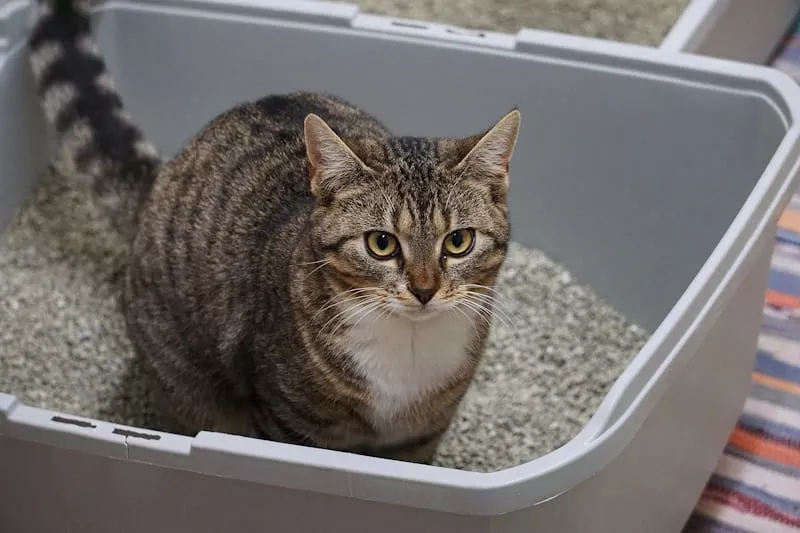
1. Is Difficult Defecation Always Constipation?
First, learn to tell normal defecation apart from constipation. Healthy cats usually defecate 1 to 2 times per day. Their stools are well-formed, firm but soft, and they pass feces smoothly without prolonged squatting or painful crying.
Your cat is considered constipated if it goes more than 48 hours without pooping, strains repeatedly in the litter box with a tight abdomen, produces hard pellet-like stools, or cannot pass stool at all.
It is important to rule out similar symptoms. Frequent litter box visits caused by urinary blockage or cystitis are often confused with constipation, though these are urinary system issues. Loose stools and diarrhea are the opposite condition. Senior and overweight cats may struggle to push out feces due to weak muscles, rather than hard stools. Occasional slightly dry stools with minor straining can be monitored first and do not count as clinical constipation.
2. Common Mistakes When Dealing With a Constipated Cat
Many improper treatments worsen the condition. Giving human laxatives, sesame oil or honey often causes diarrhea, dehydration and intestinal cramps due to cats’ sensitive digestive systems. Restricting food or feeding only dry kibble makes stools even harder.
Repeatedly stimulating the anus with cotton swabs or gloves may damage perianal tissue and cause stress. Over-reliance on enemas or suppositories weakens the intestine’s natural peristalsis and leads to intractable constipation. Ignoring root causes such as insufficient water, lack of exercise and accumulated hairballs results in recurring problems. Delaying veterinary visits for weeks can turn simple constipation into irreversible megacolon.
3. Health Risks of Long-Term Recurring Constipation
Short-term constipation causes abdominal distension, poor appetite, lethargy and irritability. Stools trapped in the gut keep losing moisture and become extremely hard, scratching the intestinal lining and leading to proctitis, anal fissures and bloody stool.
Chronic constipation disrupts the balance of gut flora. Toxins are reabsorbed into the body, causing bad breath, unpleasant body odor and weakened immunity. The most severe complication is megacolon, a permanent condition where the colon loses its ability to contract, requiring lifelong medication or even surgery.
In addition, hair ingested during grooming mixes with hard feces and forms hairball blockages. Constipation in senior cats combined with declining organ function may trigger systemic metabolic disorders and raise overall disease risks.
4. Easy Home Remedies to Relieve Constipation Quickly
Provide constant fresh drinking water. Place multiple water bowls or use a circulating fountain to encourage more water intake and soften stools. Play with your cat using interactive toys to increase activity and boost intestinal movement.
Gently massage the abdomen clockwise for 5 to 10 minutes; avoid pressing hard on ribs and bones. Keep litter boxes clean, as an unclean toilet environment makes cats hold stool voluntarily. Cut back on dry treats, high-fat and salty snacks. Record defecation intervals and stool texture for further assessment.
5. Constipation Linked to Cat Age & Body Condition
Kittens aged 3 months to 1 year have delicate guts and unstable gut flora. Constipation in kittens is mostly caused by sudden diet changes, poor water intake or ingested foreign objects, and usually improves quickly after diet adjustment. Hairball-related constipation is rare among young kittens.
Adult cats aged 1 to 7 years have stable digestive function. Their constipation is generally caused by poor diet, dehydration or inactivity, and seldom relapses after proper care.
Senior cats over 7 years old are highly susceptible. Their intestinal motility and digestion decline significantly. Limited movement due to joint problems leads to frequent recurring constipation, and they face higher risks of megacolon and organ diseases requiring long-term care.
Overweight cats have excess abdominal fat pressing on the intestines, and low activity slows gut movement, making them far more prone to constipation. Underweight and malnourished cats also struggle to push out feces due to weak intestinal muscles.
6. Breed Differences in Gut Health & Constipation Tendency
Flat-faced breeds such as Exotic Shorthairs, British Shorthairs and Persians tend to be inactive and drink less water due to their facial structure, so they are more likely to develop constipation. Daily hydration and exercise are essential for them.
Short-legged breeds like Munchkins and Scottish Folds have limited mobility and slow intestinal peristalsis. High-fiber food is recommended to support digestion.
Energetic breeds including Siamese, Oriental Shorthairs and domestic mixed cats rarely suffer from simple constipation, unless fed an imbalanced diet with too much dry kibble.
Long-haired breeds such as Ragdolls and Chinchillas swallow large amounts of loose fur while grooming. Hairball blockage is a common cause of difficult defecation, so regular brushing and hairball control are necessary.
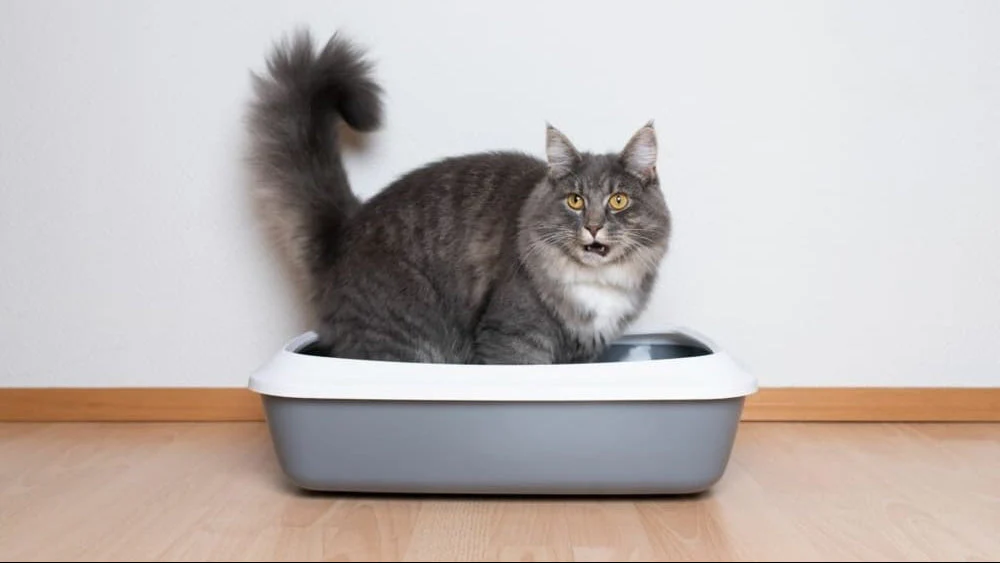
7. How Seasonal & Environmental Changes Affect Bowel Movements
In hot summer, cats lose more body moisture. Insufficient water quickly leads to hard stools and constipation. Reduced appetite in summer also prolongs defecation intervals.
Cold winter weather makes cats stay inactive for long hours, slowing intestinal movement. Indoor heating and air conditioning further dry the air, increasing constipation risks.
Sharp temperature swings in spring and autumn make guts sensitive. Even minor changes to diet or routine can disrupt bowel habits. Stress from moving, renovation, guests, new pets or litter replacement also makes cats hold stool and triggers temporary constipation.
8. Prevention & Identification Tips for Multi-Cat Households
When multiple cats share food, water and litter boxes, timid cats may hold stool due to competition or stress. Separate feeding stations, water bowls and litter areas to let every cat eat, drink and relieve itself comfortably.
Adjust the overall diet by reducing pure dry food and adding fiber for group prevention. Never share anal care or laxative tools to avoid cross-infection of perianal inflammation.
If all cats pass dry stools, the issue usually comes from diet, dry air or insufficient water. If only one cat fails to defecate for days and strains painfully, it is an individual digestive or health problem that requires separate observation and care. Check each cat’s bowel condition regularly.
9. Full Guide: Cause Diagnosis, Care & Diet Solutions
Four Main Causes of Cat Constipation
1. Dietary Issues (Most Common, Adjustable at Home)
- Long-term exclusive feeding of dry kibble leads to low moisture and insufficient fiber, resulting in hard stools.
- Excessive treats, high-fat or salty food disrupt digestion. Sudden food changes upset the stomach and alter defecation.
- Severe dehydration is the top cause of hardened feces.
2. Lifestyle & Physical Factors
- Lack of daily exercise slows intestinal peristalsis, so stools remain in the gut for too long.
- Accumulated hairballs in long-haired cats mix with feces and cause blockages.
- Dirty litter boxes or noisy surroundings make cats hold stool habitually.
3. Stress & Behavioral Factors
Anxiety caused by environmental changes, scolding or going outside suppresses the defecation reflex and leads to temporary constipation.
4. Pathological Issues (High Risk, Must See a Vet)
- Intestinal foreign bodies, parasites, gastroenteritis, rectal polyps or inflamed anal glands cause pain during defecation, so cats resist pooping.
- Age-related intestinal decline, megacolon, liver or kidney diseases and hormonal disorders result in intractable chronic constipation.
- Joint pain or injuries make squatting and straining difficult.
Targeted Care, Diet & Solutions
Case 1: Mild Constipation (No bowel movement within 48 hours, caused by diet, dehydration or inactivity)
Mix wet food, canned food, cooked pumpkin or steamed broccoli with dry kibble to add natural fiber. Add pet-specific probiotics to balance gut flora. Place extra water sources or mix a small amount of warm water into food to boost hydration. Engage your cat in play for over 30 minutes daily and massage the abdomen clockwise to speed up gut movement. Most cats recover normal bowel movements within 1 to 2 days.
Case 2: Constipation caused by hairballs (Common in long-haired cats)
Brush fur thoroughly every day to reduce ingested hair. Offer hairball paste, tablets or cat grass regularly to help expel fur. Add high-fiber ingredients to the diet to prevent hair blockages.
Case 3: Constipation from stress and stool retention
Create a quiet environment, keep litter boxes clean and minimize disturbances. Avoid watching your cat while it uses the litter box. Use probiotics for conditioning; bowel habits will return to normal after stress eases.
Case 4: Moderate Constipation (No bowel movement over 72 hours, hard stools and obvious straining)
Use mild pet-safe laxatives or lactulose strictly under veterinary guidance. Never use human laxatives or overuse suppositories at home. Keep improving hydration, exercise and high-fiber meals while monitoring appetite and energy.
Case 5: Chronic pathological constipation (Recurring constipation, no response to medicine, bloody stool, vomiting or lethargy)
Take your cat to the vet immediately for examinations to rule out megacolon, foreign bodies and organ diseases. Follow professional treatment including medicated enemas and prescription drugs. Severe intestinal lesions may require surgery. Use prescription food and long-term intestinal conditioning after recovery.
General Daily Prevention Plan
Combine dry and wet food instead of feeding only kibble. Add pumpkin, cat grass and probiotics regularly for enough fiber and moisture. Always provide fresh water; circulating water fountains are highly recommended. Maintain daily activity and help overweight cats lose weight healthily. Brush long-haired cats daily and control hairballs effectively. Clean litter boxes frequently and reduce major environmental changes to prevent stress-induced stool retention. Arrange comprehensive physical checkups for senior cats every year to detect chronic intestinal and organ problems early.
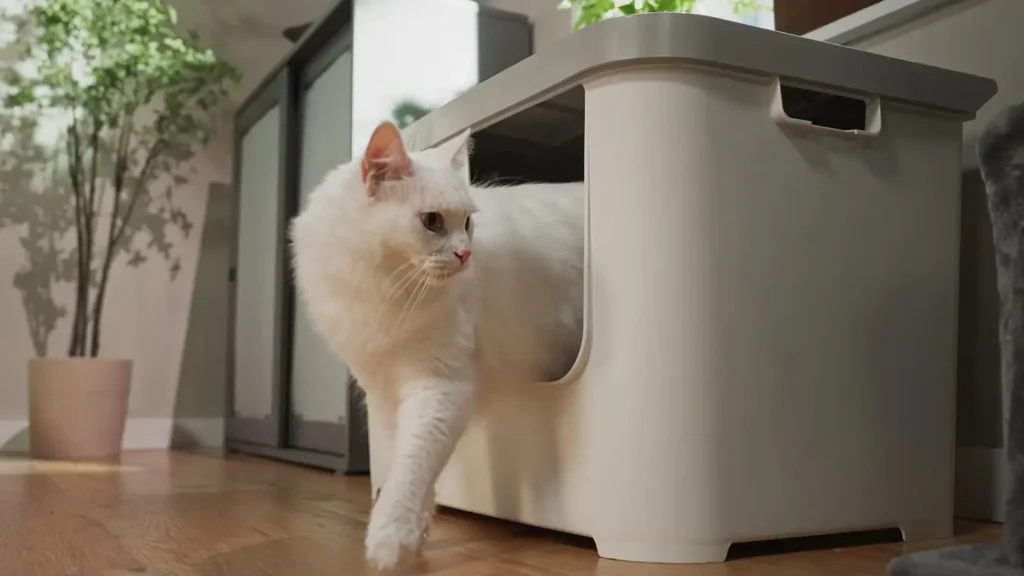
10. Frequently Asked Questions About Feline Bowel Issues
Q: Is pooping once a day considered constipation?
A: No. As long as stools are well-formed and defecation is pain-free, once per day is normal and requires no intervention.
Q: Can I feed honey or cooking oil to relieve constipation?
A: Not recommended. Most cats have lactose intolerance. High sugar in honey and excess oil may cause digestive upset, diarrhea or pancreatitis. Choose vet-approved pet laxatives instead.
Q: Does occasional constipation require long-term probiotic use?
A: Short-term conditioning is enough. Stop feeding after recovery. For prevention, offer probiotics 2 to 3 times per week; continuous year-round use is unnecessary.
Q: Can I use suppositories constantly for a senior cat with frequent constipation?
A: Absolutely not. Long-term use leads to intestinal dependency and worsens megacolon. Visit a vet to identify the root cause for targeted treatment.
Q: Does cooked pumpkin really help cat constipation?
A: Yes. Rich in natural fiber and moisture, pumpkin is a gentle home remedy for mild constipation and daily prevention. Feed small portions appropriately.
Q: My cat has not pooped but still eats and plays normally. Should I worry?
A: Yes, if over 48 hours without defecation. Trapped stools will gradually worsen the problem. Adjust diet and water intake promptly before it develops into stubborn constipation.