Why Does Your Dog Keep Licking Its Paws? Common Skin Issues & Relief Solutions

Some dog owners find that their dogs frequently lick their paws. As a general rule, single grooming instances are fine but continuous licking and chewing are usually disregarded. Actually, very frequent licking of the paws is very seldom just a cleaning practice. It can be an indication of skin inflammation, wounds, allergies, pain in the joints, anxiety, and other problems. If nothing is done, this behavior results in swollen, broken skin, secondary infections, and chronic dermatitis, which can even influence the dog’s ability to move.
Drawing on veterinary and home care knowledge, this manual separates normal grooming from pathological licking. Topics covered are the main reasons, mistakes made by people, dangers, self-examinations, treatment, and prevention tips. Knowing how to detect the initial problem, you can get rid of excessive paw licking effectively.
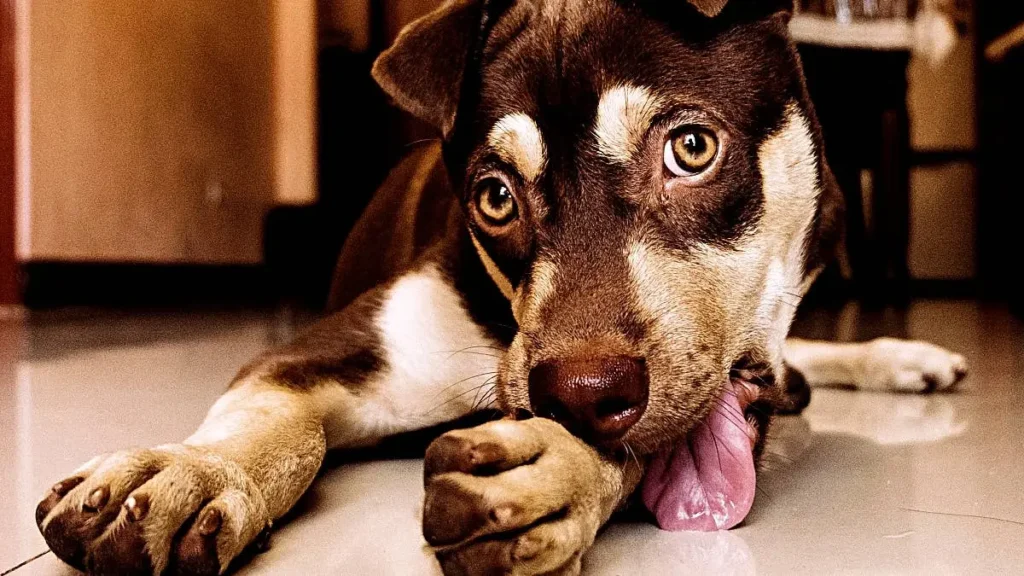
1.Can Paw Licking Indicate Illness?
Initially, it is essential to distinguish between regular behavior and abnormal problems. A dog that licks paws briefly to remove dirt or moisture after being outdoor, with no skin damage, redness, hair loss or wounds, and maintains a normal walking posture, this is natural self-grooming and does not warrant any action.
In case your dog licks and chews paws all day long, till bleeding, along with swollen skin, rashes, discolored paw skin or limping, this is out of the ordinary. Such behavior changes are generally caused by injuries, skin diseases, joint pain or mental stress, which are unmistakable signs of need for attention that should not be delayed.
2.Common Mistakes When Stopping Excessive Paw Licking
Many dog owners unintentionally do things that worsen the symptoms rather than help. For example, if you shout at your dog or use physical force, this will only stop them from licking for a short time but will not address the reason why the dog was licking in the first place. Besides, dogs may start licking in secret as a reaction to being punished in this way. Rubbing human cream on the paws, or applying alcohol or iodine, will cause the burning of the already damaged skin, and as a result the inflammation will get worse. Simply putting an Elizabethan collar on a dog without figuring out what is wrong and giving treatment will only prolong the problem since the dog will go back to licking as soon as the collar is taken off. Letting dogs stay in the house barefoot and walk on rough surfaces like hot roads, wet grass or chemically treated floors will only further irritate the skin. Thinking that interdigital allergies or fungal infections are just simple scrapes can lead to the spreading of infections. Putting off treatment for many months can cause what was once a small problem to become a case of stubborn interdigital dermatitis.
3. Health Risks of Long-Term Repeated Paw Licking
Short-term constant licking damages the outer skin layer, resulting in swollen, itchy paws, hair loss and limping. Saliva trapped between paw pads creates a moist environment that breeds bacteria and fungi, causing interdigital dermatitis and ringworm, with pus, ulcers and oozing sores.
Open wounds allow mites and germs to invade, spreading from one paw to all four limbs and developing into full-body skin disorders. If licking is caused by joint or bone pain, delayed treatment worsens joint wear and inflammation, limiting movement.
Compulsive licking due to long-term anxiety also makes dogs more depressed, picky about food, irritable or prone to excessive barking. Ingested fur and dirt may further upset the digestive system and cause vomiting.
4.Simple At-Home Tips to Stop Licking & Soothe Discomfort
One effective way to curb his licking habit and even prevent a possible secondary injury is by using a properly fitting Elizabethan collar on your dog. Washing your dog’s paws carefully with lukewarm water mixed with pet-friendly shampoo to get rid of dirt, grass, and chemical residues is the first step, then drying the paws thoroughly, especially the areas between the toes. Cut down on the time and distance of outdoor walks, steer clear of hot pavement, wet grass, and disinfected ground.
Use a spray that a vet would recommend for anti-itch or a soothing gel to alleviate the symptoms. Engaging your dog with toys and interactive play is a good way to change the dog’s focus away from licking the paws. Make a note of the licking times and the areas affected so that it can be helpful in diagnosing the causes later on.
5. Paw Licking Linked to Dog Age & Body Condition
Puppies aged 3 months to 1 year have delicate skin. They easily get pricked by grass thorns or stones outdoors. Puppies also lick paws out of curiosity or boredom. Most cases are related to minor injuries or habits and recover quickly.
Adult dogs aged 1 to 7 years have stable physical functions. Frequent licking is mostly caused by allergies, fungal infections or environmental irritation. Active adult dogs often suffer from worn paw pads and inflamed skin between toes due to friction.
Senior dogs over 7 years old have degenerated joints and bones. Arthritis and nerve pain in paws lead to persistent licking. Weakened immunity also makes skin problems recur more easily.
Overweight dogs carry extra weight on their limbs. Constant compression and poor ventilation between toes create ideal conditions for interdigital dermatitis, so overweight pets lick paws far more often. Dogs with short legs and compact limbs also face higher risks.
6. Breed Differences in Paw Sensitivity & Licking Habits
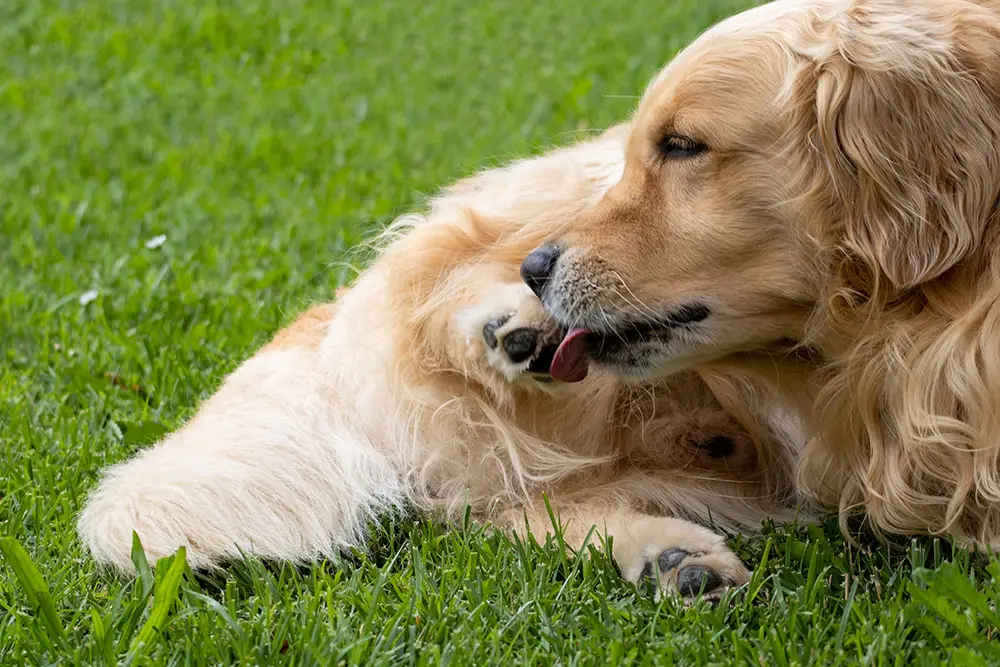
Long-haired breeds such as Golden Retrievers, Samoyeds and Old English Sheepdogs have thick fur between toes that traps dirt and moisture. They are highly prone to interdigital infections and need regular paw hair trimming.
Short-haired breeds including French Bulldogs, English Bulldogs and Corgis have sensitive skin. Sweat glands concentrate on paw pads. Excess sweat and extra body weight often trigger allergies and inflammation in hot weather.
Large working and sporting breeds like German Shepherds and Labrador Retrievers have high activity levels. Their paw pads wear easily, and wounds from sharp objects are the most common cause of licking.
Small companion breeds such as Poodles, Bichon Frises and Chihuahuas have fragile skin sensitive to pollen, dust, disinfectants and pest control products, leading to frequent allergic reactions. Naturally timid breeds may develop compulsive licking when left alone due to anxiety.
7. How Seasonal & Environmental Changes Affect Paw Licking
In spring, blooming plants release pollen, grass and insects, causing contact allergies after outdoor walks. Fluctuating temperatures lower skin resistance, while fungi and bacteria become active and trigger skin issues.
Summer brings hot asphalt that burns paw pads. Damp grass and high sweat between toes create a peak season for interdigital dermatitis and fungal infections.
Dry autumn air makes paw skin crack and peel, and stinging pain leads to repeated licking. Falling branches and leaves also increase the risk of cuts.
Cold winter weather and icy roads worsen joint discomfort in senior dogs. De-icing agents and disinfectants on roads corrode paw skin and cause soreness and inflammation.
Strong household cleaners, air fresheners and insecticides also leave chemical residues on floors, irritating dog paws and inducing licking.
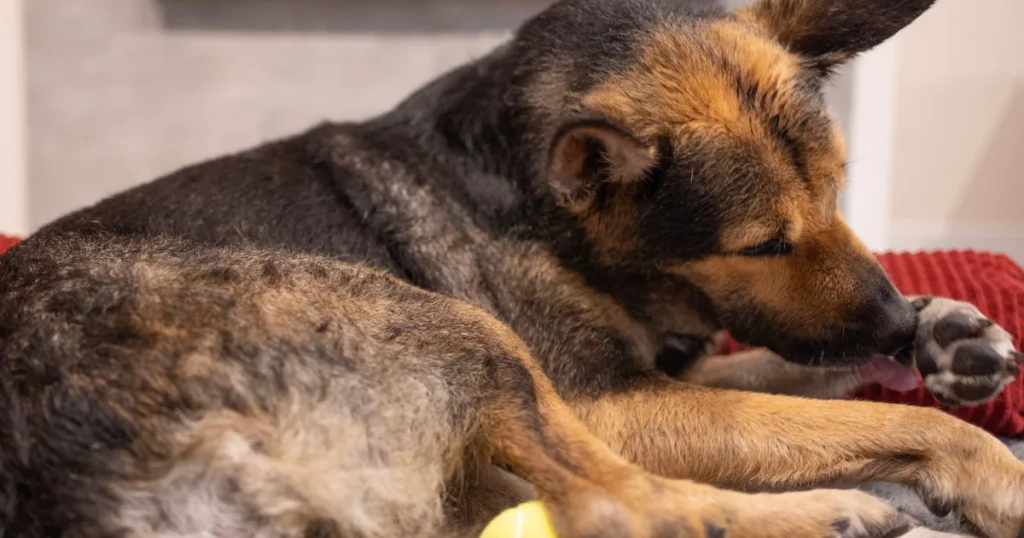
8. Tips to Manage Group Licking in Multi-Dog Households
Dogs easily copy behaviors. If one dog licks paws constantly, others will follow and form a group habit. Fully clean floors and stop using harsh cleaning products. Check every dog’s paw condition thoroughly.
Use separate beds, mats, leashes and paw care tools. Skin infections and fungi are contagious, so shared items lead to cross-infection.
If all dogs lick occasionally with healthy skin, the issue usually comes from environmental irritation or boredom. If multiple dogs develop swollen paws, hair loss or ulcers one after another, it indicates contagious skin disease. Isolate affected pets and start group treatment immediately.
Arrange enough space to avoid crowding and excessive friction between limbs. Control food portions for overweight dogs to lower the overall risk of interdigital dermatitis.
9. Full Guide: Causes & Complete Treatment Plans
Five Main Causes of Excessive Paw Licking
1. Natural Grooming (No Treatment Needed)
Dogs lick paws briefly to clean dirt or moisture after being outside. The skin remains healthy, and this habit only occurs for a short time after returning home.
2. Wounds & Physical Irritation (Most Common, Treatable at Home)
Paws get pricked by thorns, stones or glass, or suffer from wear, cracks, burns and frostbite. Foreign objects stuck between toes cause continuous pain. Typical signs: licking concentrates on one single paw, limping, and pulling away when paws are touched.
3. Skin Problems: Bacteria, Fungi & Interdigital Dermatitis
Trapped moisture between toes causes infection, leading to swelling, bumps, pus, darkened skin and hair loss. Fungal infections come with dandruff and circular lesions and are contagious. Dogs lick nonstop due to itching and pain, usually spreading to all four paws gradually.
4. Allergic Reactions (Peak in Changing Seasons)
Contact with pollen, mites, grass, cleaning chemicals or low-quality dog beds causes allergic dermatitis. Typical signs: all four paws turn red and itchy without obvious open wounds; symptoms worsen sharply in new environments or during seasonal changes.
5. Joint Pain, Bone Issues & Anxiety
- Joint problems: Senior dogs and large breeds with arthritis or joint wear feel persistent limb pain. Licking helps soothe discomfort, accompanied by stiff movement, reluctance to walk and difficulty climbing stairs.
- Mental anxiety: Long loneliness, lack of company, environmental changes or fright lead to compulsive licking as a stress-relief habit, which usually happens when owners are away.
Targeted Care & Solutions
Case 1: Normal Grooming
No intervention is required. Simply wipe paws after walks, keep skin dry and trim overgrown toe hair regularly for better hygiene.
Case 2: Wounds, Wear, Cracks & Foreign Objects
Put on an Elizabethan collar first. Use tweezers to carefully remove thorns or debris. Disinfect shallow wounds gently with pet-safe iodine and keep dry. Apply paw balm to treat cracked pads. Restrict outdoor activity for burns and frostbite. Seek immediate veterinary care for deep or bleeding wounds.
Case 3: Bacterial/Fungal Infections & Interdigital Dermatitis
Wash paws daily with medicated pet shampoo and dry completely. Use vet-prescribed antibacterial and antifungal sprays or ointments. Finish the full course of treatment to avoid relapse. Trim toe hair regularly for better ventilation. Deep clean and sun-dry beds and mats. Oral medication is required for severe swelling and pus.
Case 4: Contact Allergies
Identify and remove all allergens: replace scented cleaners and low-quality bedding. Avoid areas with dense grass and flowers. Use dog boots outdoors to block surface irritation. Mild allergies can be relieved with pet anti-itch products. For recurring severe allergies, visit a vet for allergy tests and anti-allergy medication.
Case 5: Licking Caused by Joint Pain
Limit intense exercise and stair climbing. Provide thick soft bedding and keep limbs warm. Use joint supplements and anti-inflammatory medicine under veterinary guidance. Glucosamine and chondroitin are recommended for long-term joint support in senior dogs.
Case 6: Compulsive Licking From Boredom or Anxiety
Increase daily company and interactive play. Offer puzzle feeders and durable chew toys to enrich alone time. Avoid leaving dogs isolated for extended periods. Keep the home environment stable and reduce noise and frequent visitors. Use vet-approved calming aids for severe anxiety to correct compulsive behavior gradually.
General Daily Prevention Plan
- Paw hygiene: Trim toe hair regularly, clean and dry paws after walks.
- Outdoor protection: Avoid hot, icy or chemically treated ground; use dog boots when necessary.
- Environment care: Use mild pet-safe cleaners, wash and sun pet supplies often, and keep rooms dry and ventilated.
- Weight management: Help overweight dogs lose weight healthily to reduce limb pressure.
- Exercise & company: Arrange proper activity and spend quality time together to relieve loneliness.
- Regular checks: Examine paw pads daily to detect minor problems early.
10. Frequently Asked Questions About Dog Paw Care
Q: My dog licks paws a few times every day. Should I stop it?
A: No. Brief licking with healthy skin is normal grooming. Just keep observing.
Q: Can I use alcohol or iodine frequently to relieve itching?
A: Not recommended. Alcohol irritates and damages the skin barrier. Overusing iodine also irritates wounds. Choose dedicated pet care products instead.
Q: Do I have to trim hair between paw toes?
A: Yes. Long toe hair traps dirt and moisture, the main cause of interdigital dermatitis. Trimming improves air circulation.
Q: My dog gets stressed wearing an Elizabethan collar. Are there alternatives?
A: You can use soft collars or anti-lick paw covers. Preventing licking is essential until recovery to avoid repeated infection.
Q: Why does interdigital dermatitis keep coming back after treatment?
A: It is usually caused by persistent moisture, poor hygiene or ongoing irritants. Keep paws dry, trim hair and avoid triggers to stop recurrence.
Q: My senior dog licks front paws and moves stiffly. Is it a skin problem?
A: It is most likely arthritis. Prioritize joint care and veterinary checks instead of only treating skin symptoms.