Why Does Your Dog Keep Shaking Its Head and Scratching Ears? Guide to Ear Mites & Ear Infections

Many dog owners notice their pets frequently shaking their heads vigorously, scratching ears with hind paws, or rubbing ears against the floor and furniture. A lot of people dismiss this as simple itching and ignore the issue. In fact, constant head shaking and ear scratching are clear warning signs of ear problems, most commonly ear mites, bacterial or fungal infections, otitis and external wounds. Without timely care, inflammation will worsen, leading to swollen ear canals, skin lesions, pus discharge, eardrum damage and even permanent hearing loss, developing into chronic ear disease.
Based on professional veterinary knowledge, this guide distinguishes normal scratching from pathological symptoms. It covers main causes, common care mistakes, potential health risks, at-home examination steps, targeted treatment plans and prevention tips. Learn to identify ear issues early and protect your dog’s aural health properly.
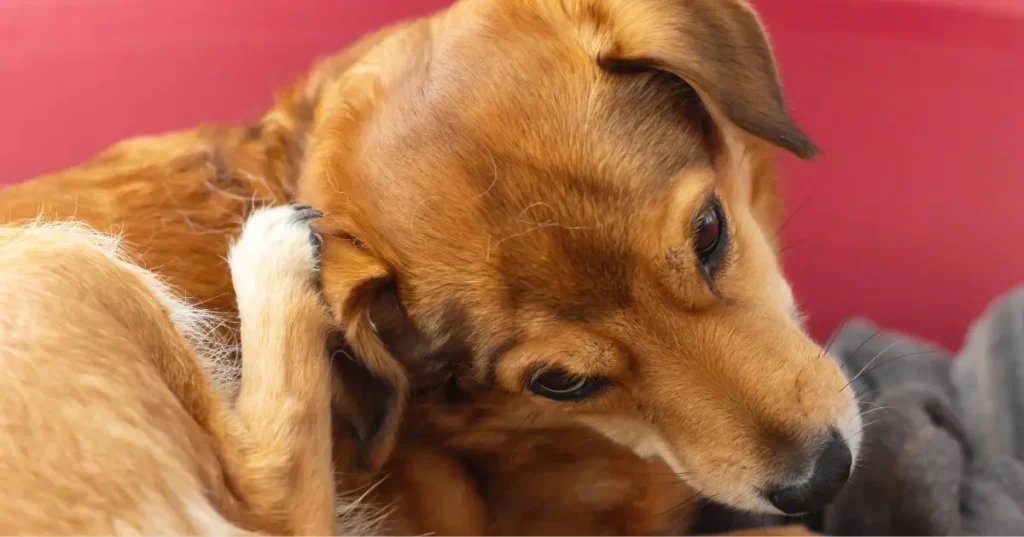
1. Does Occasional Ear Scratching Mean Ear Disease?
First, tell normal behavior apart from abnormal symptoms. Healthy dogs may scratch ears or shake heads briefly after getting dust or small insects inside. Their ear canals stay clean and odor-free with no discharge, and they maintain normal energy, appetite and activity. This is natural grooming and requires no intervention.
If your dog shakes its head and scratches ears nonstop, rubs ears against hard surfaces aggressively, and breaks the ear skin or loses fur; if you notice dark debris, yellow pus and foul odor inside ears, or your dog appears irritable, refuses ear touching, tilts its head or walks unsteadily, these are obvious pathological signs. Common triggers include ear mites, bacterial otitis, fungal infections, trapped foreign objects and water buildup. Prompt inspection and treatment are necessary.
2. Common Mistakes When Dealing With Head Shaking & Ear Scratching
Many improper practices will aggravate ear conditions. Some owners neglect mild itching until pus and severe pain appear, turning minor issues into chronic inflammation.
Others diagnose problems by sight alone and use human ear drops, alcohol, iodine or cooking oil randomly. These irritating products damage the delicate ear canal lining and worsen swelling and soreness. Using the wrong medication for mites, bacteria or fungi also leads to recurring illness.
Forceful deep cleaning with cotton swabs or ear picks is extremely dangerous. When dogs struggle, these tools can injure the ear canal or rupture the eardrum, causing permanent hearing impairment.
Some owners only wipe surface dirt without daily protection. They fail to block water during baths or swimming, leaving the ear canal constantly moist — an ideal breeding ground for germs. In multi-dog homes, lack of isolation and synchronized treatment results in widespread cross-infection of ear mites and fungi.
3. Health Risks Caused by Long-Term Repeated Ear Irritation
Frequent scratching and head shaking often break the pinna skin, causing wounds, redness and hair loss. Saliva and open wounds easily trigger secondary bacterial infections. Accumulated dirt and discharge make ear odor increasingly unpleasant.
Untreated ear mites and infections spread from the outer ear to the middle and inner ear, causing otitis media and otitis interna. Affected dogs tilt their heads, stagger, suffer from nystagmus, and struggle to eat or rest normally. In severe cases, the auditory nerve gets damaged, leading to permanent deafness.
Germs and parasites in ears may enter the bloodstream and weaken overall immunity. Persistent itching and pain make dogs anxious, lose sleep and appetite, and gradually become underweight. Foreign bodies and untreated parasites keep irritating the ear canal, resulting in lifelong recurring ear problems.
4. Simple At-Home Relief & Temporary Care Tips
Put an Elizabethan collar on your dog immediately to prevent further scratching, rubbing and secondary infection. In a well-lit area, gently lift the ear flap and check the outer ear for hair, grass thorns, bugs or other foreign objects. Never insert cotton swabs or tools deep into the ear canal.
If the outer ear is damp or slightly dirty, soak a cotton pad with pet-safe ear cleaner and gently wipe discharge around the ear opening to keep the outer ear dry and ventilated. Reduce outdoor activities, swimming and exposure to rain temporarily. Always protect ears from water during baths.
Distract your dog with toys and treats to draw its attention away from itching ears. Record the start time, whether one or both ears are affected, discharge color, odor and overall mood for later diagnosis. If your dog shows severe pain and resists touching, stop home operation and visit a vet right away.
5. Ear-Related Behaviors Linked to Dog Age & Body Condition
Puppies (3 months to 1 year): Puppies have immature immunity and are highly exposed to parasite eggs and bugs outdoors. They are the most vulnerable to ear mites. Their delicate ear canals get inflamed easily after water or dirt enters. Puppies tend to scratch hard and hurt their ears, so regular parasite prevention and close supervision are essential.
Adult dogs (1 to 7 years old): Their physical functions are stable. Frequent ear irritation is usually caused by trapped water, bacterial infections or environmental mites. Overweight dogs have thick fat around ears and necks. Floppy ears cannot ventilate well, creating a hot and humid environment that speeds up germ growth and raises relapse rates.
Senior dogs (7 years and older): Aging slows down ear secretion metabolism and self-cleaning ability, so dirt builds up easily. Hormonal changes and weaker skin resistance make senior dogs prone to recurrent external otitis. They react slowly to discomfort, meaning problems are usually serious when discovered, and recovery takes longer.
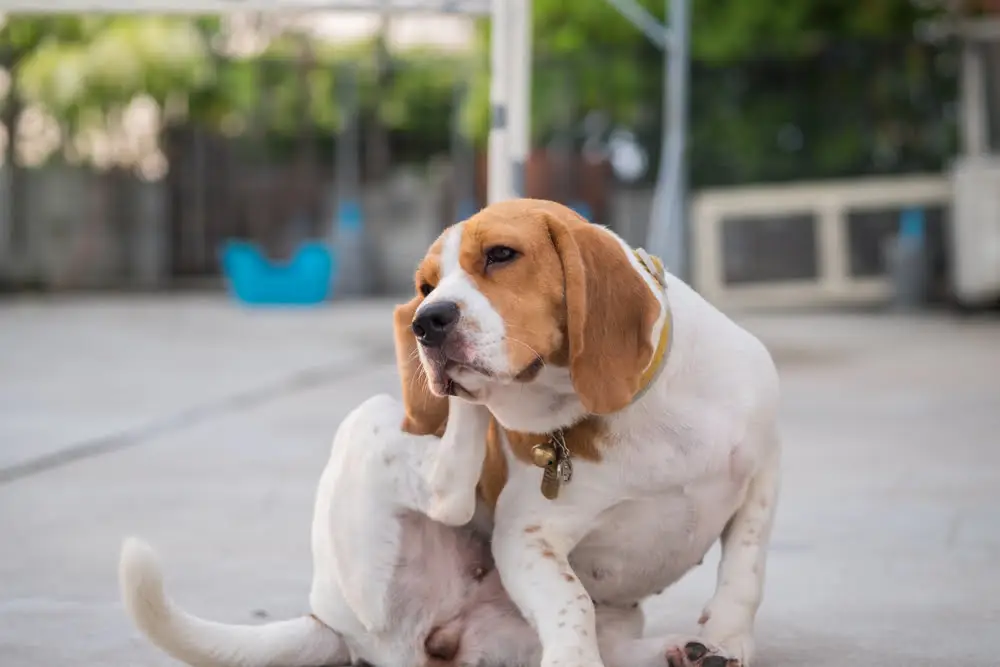
6. Breed Differences in Ear Structure & Disease Susceptibility
Floppy-eared breeds are high-risk groups for ear diseases, including Golden Retrievers, Labrador Retrievers, Cocker Spaniels, Basset Hounds, Poodles and Bichon Frises. Long hanging ears fully cover the ear canal, blocking airflow. Moisture and dirt cannot evaporate after baths or walks, leading to frequent ear mites, bacterial and fungal infections.
Prick-eared breeds such as German Shepherds, Huskies, Shiba Inus and Corgis have open, well-ventilated ear canals. They rarely develop chronic inflammation or ear mites under normal conditions. Head shaking and scratching in these breeds are mostly caused by foreign objects, water entry or skin allergies.
Curly-haired and long-haired breeds have dense hair inside and around ears, which traps dirt and moisture and blocks visibility. Regular trimming of excess hair around ear openings is required to improve ventilation.
Small companion breeds have narrow ear canals. Inflammation and swelling cause severe blockage and intense discomfort. Some may even show defensive aggression when touched due to pain.
7. How Seasonal & Environmental Changes Affect Ear Health
Spring: Rising temperatures activate mites, fungi and insects in grass and soil. Dogs get infected easily during outdoor walks, making spring the peak season for ear mites and fungal otitis. Frequent rain also keeps ears damp and increases infection risks.
Summer: Hot weather, combined with regular baths, swimming and rain, fills ear canals with water constantly. High temperature and humidity create perfect conditions for bacterial growth, leading to widespread bacterial otitis. Mosquito and insect bites on ear flaps also cause itching and scratching.
Autumn: Dry air carries more dust and loose fur, which accumulate inside ears. Fluctuating temperatures lower overall skin resistance, and old ear problems tend to relapse.
Winter: Closed windows reduce indoor ventilation. Heating systems create dry, dusty air. Less outdoor activity weakens the ear’s self-cleaning ability, and built-up dirt gradually causes itching and inflammation.
Poor household hygiene, irregular parasite prevention, and rarely washed dog beds and carpets also let mites and germs survive and reinfect dogs repeatedly.
8. Prevention of Cross-Infection in Multi-Dog Households
Ear mites and certain fungi are highly contagious. Close contact, shared beds, toys, leashes and grooming tools spread infections quickly. Once one dog shows symptoms, isolate it immediately. Use separate food bowls, bedding and grooming supplies to prevent group infection.
Thoroughly clean, wash and sun-dry all dog beds, mats and clothes. Apply pet-safe disinfectant regularly to kill mites and fungi. Never share ear cleaners, cotton pads or medical tools — prepare individual supplies for each dog.
If multiple dogs start scratching ears one after another with dark crumbly discharge and severe itching, it indicates a group ear mite infection. Examine, treat and apply parasite prevention for all dogs at the same time. If only a single dog is affected, the issue is likely a foreign object, local water entry or external wound, requiring individual care.
After recovery, maintain regular external parasite prevention and weekly ear cleaning to avoid another group outbreak.
9. Full Diagnosis & Complete Treatment Solutions for Ear Problems
Combined with veterinary clinical experience, frequent head shaking and ear scratching are mainly divided into six categories. Below are detailed symptoms, identification methods and targeted treatments.
Cause 1: Ear Mites (Highly Contagious, Common in Puppies & Multi-Dog Homes)
Ear mites are tiny parasites that feed on ear secretions and bite the ear skin, causing extreme itching. They spread rapidly between dogs. Typical signs: Both ears are affected; violent head shaking and scratching; large amounts of dark brown, coffee-ground-like debris with a sour odor; itching worsens obviously at night and dogs rub ears everywhere. Solutions: Use an Elizabethan collar to stop scratching. Soften and flush out dirt completely with pet ear cleaner, then apply vet-recommended anti-mite ear drops. Finish the full course of treatment without interruption. Conduct full-body external parasite prevention and comprehensive household disinfection. Isolate and treat all dogs in multi-dog families.
Cause 2: Bacterial Otitis (Triggered by Moisture & Water Entry, Most Common)
Water trapped in the ear canal after baths, swimming or rain creates a damp environment for massive bacterial reproduction and inflammation. Typical signs: Red, swollen ear canals; thick yellow or yellow-green pus with a rotten smell; dogs shake heads frequently and flinch or resist when ears are touched; affects one or both ears. Solutions: Clean out pus thoroughly and use antibacterial ear drops for pets. Keep ears fully dry and avoid baths or water activities temporarily. Visit a vet for oral anti-inflammatory drugs if severe swelling occurs.
Cause 3: Fungal Ear Infections (Prone to Relapse in Humid Environments)
High humidity, low immunity or long-term antibiotic use often lead to fungal infections, which frequently mix with bacteria. Typical signs: Flaky skin and white dandruff inside ears; relatively dry discharge; moderate itching; long course and easy recurrence. Solutions: Use antifungal ear cleaner and drops. Extend the treatment period. Improve indoor ventilation and dehumidification. Supplement vitamins to strengthen skin resistance and disinfect pet supplies regularly.
Cause 4: Foreign Objects & External Wounds (Usually Single-Ear Issues)
Grass thorns, twigs, insects, sand or injuries from fights and scratching irritate the ear continuously. Typical signs: Mostly affects one ear only; dogs tilt heads toward the affected side and scratch one fixed area; visible external wounds or foreign body traces; strong pain response when touched. Solutions: Carefully remove accessible foreign objects and disinfect shallow wounds with pet-safe iodine. Seek professional veterinary help immediately if objects are deep inside or wounds are serious. Do not dig deep into the ear canal by yourself.
Cause 5: Allergies & Systemic Skin Issues (Whole-Body Symptoms)
Food allergies, contact allergies and general dermatitis cause itching on ear skin as well. Typical signs: Red rashes and hair loss on ear flaps and outer ears; no large amount of abnormal discharge inside canals; itching, dandruff and lesions appear on other body parts too. Solutions: Identify and remove allergens. Switch to hypoallergenic dog food and stay away from irritating plants and cleaners. Use anti-allergy medicine and topical sprays under veterinary guidance, and improve overall skin health.
Cause 6: Excessive Dirt Buildup & Poor Self-Cleaning (Common in Senior Dogs)
Long-term lack of ear cleaning leads to layered earwax blockage, which breeds bacteria and causes chronic itching, especially in senior and floppy-eared dogs. Typical signs: Plenty of light brown earwax with mild odor; intermittent scratching and head shaking; symptoms come and go. Solutions: Soften and remove earwax with ear cleaner regularly. Trim excess hair around ear openings for better airflow. Provide basic ear care 1 to 2 times every week for senior dogs to prevent dirt accumulation.
General Daily Prevention Plan
- Water protection: Block ear canals with cotton before baths or swimming, and clean and dry ears thoroughly afterward.
- Regular cleaning: Clean ears 1 to 2 times weekly for floppy-eared and long-haired breeds.
- Hair trimming: Cut overgrown hair around ear openings to improve ventilation and reduce moisture and dirt buildup.
- Parasite prevention: Apply monthly external parasite treatment to kill mites on pets and in the environment.
- Home maintenance: Wash and sun-dry dog beds regularly, keep rooms dry and ventilated, and disinfect frequently.
- Routine checks: Examine ears during walks and grooming to spot minor problems early.
- Balanced diet: Provide nutritious food to strengthen skin and ear resistance against inflammation.

10. Frequently Asked Questions About Dog Ear Care
Q: Is medication needed if my dog shakes its head and scratches ears occasionally?
A: No. If ears stay clean, odorless and discharge-free, just keep regular observation and basic protection.
Q: Can I use cotton swabs deep inside my dog’s ears?
A: Never do this. Cotton swabs push earwax deeper and may injure the canal or eardrum. Only use cotton pads to wipe the ear opening.
Q: Why do ear mites keep coming back after treatment?
A: It is usually caused by incomplete treatment courses, leftover mites at home or missed external parasite prevention. Finish full medication, clean the environment and stick to regular parasite control to stop recurrence.
Q: Should I treat smelly ears even without frequent scratching?
A: Yes. Unusual odor means dirt or mild inflammation already exists. Early cleaning prevents severe otitis.
Q: Do prick-eared dogs need no ear cleaning since they rarely get sick?
A: No. They can still get water, foreign objects and built-up wax inside. Basic cleaning 1 to 2 times monthly is recommended.
Q: My dog’s ears produce pus and it cries when touched. Can I treat it at home?
A: Do not try home treatment. This is severe middle ear infection. Visit a vet immediately for professional care and oral medication.
Q: Are human ear drops and hydrogen peroxide safe for dogs?
A: No. Human products have unsuitable pH levels and strong irritation that damage dog ear tissue. Always choose pet-specific ear care products.