Why Is Your Dog Suddenly Scared of Going for Walks? Environmental Stress & Step-by-Step Recovery Training Guide

Many dog owners encounter a common issue: their once energetic and outgoing dog suddenly refuses to head outside for walks. When approaching the doorway, the dog pulls back, tucks its tail, trembles all over, growls or lies down firmly and refuses to move forward. A lot of people mistakenly think the pet is just lazy or throwing a tantrum. They try to drag the dog outside forcefully or shout at it, which only deepens its fear of going out.
In fact, a sudden fear of walks is mostly a behavioral and psychological problem triggered by environmental stress, sudden scares, negative past experiences or physical discomfort. Long-term refusal to go outdoors leads to insufficient exercise, low mood, weakened immunity, and worsens timidity and anxiety. Based on professional pet behavior science and positive reinforcement training methods, this guide helps you tell the difference between normal laziness and severe stress responses. It covers common training mistakes, physical and mental risks, at-home calming tips, and a complete set of desensitization and adaptation training plans. Follow this guide to help your dog overcome anxiety and enjoy outdoor walks again.
1. Does Reluctance to Go Outside Always Mean Stress and Fear?
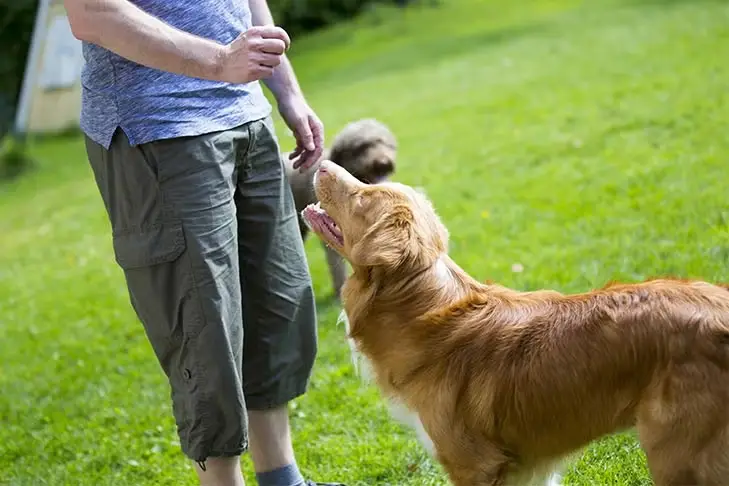
First, distinguish between normal laziness and pathological stress reactions. If the weather is extremely hot or cold, or your dog has already had enough exercise for the day, it may pause at the door and slow down. With gentle guidance, it will walk outside normally, wag its tail freely, stay relaxed and actively sniff around. This is natural tiredness or laziness and requires no special intervention.
If your dog shows obvious signs such as tucked tail, arched body, muscle stiffness, trembling, flattened ears as soon as it nears the door, hallway or open air; it pulls hard on the leash, sits or lies down and refuses to move. It may also dart away suddenly, rush toward you for shelter, pant heavily, drool excessively, bark or even lose control of its bladder or bowels when hearing outside noises. If this lasts for multiple days, your dog is suffering from environmental stress and outdoor phobia. Common triggers include sudden frights, loud noises, unfamiliar surroundings or physical pain, which call for timely emotional soothing and behavioral training.
2. Common Mistakes When Correcting a Dog’s Fear of Walks
Many improper handling methods leave lasting psychological damage to scared dogs. Pulling or dragging the leash harshly forces the dog outside. Struggling during this process links going out with pain and coercion, making fear deeply rooted.
Yelling, scolding or physical punishment because the dog “disobeys” makes it afraid of both the outdoors and its owner. Double stress leads to increased anxiety, avoidance and defiance.
Giving in completely and keeping the dog indoors all the time causes its social skills and adaptability to deteriorate. It will become even harder to encourage outdoor activities later on.
Some owners attempt to “build courage” by taking the dog to crowded, noisy areas with heavy traffic. Overwhelming stimulation worsens stress dramatically. Additionally, many people only focus on behavioral issues while ignoring physical problems such as joint pain, foot injuries, declining eyesight or hearing.
In multi-dog households, fear can spread quickly. If one dog gets frightened and retreats, other pets will pick up the tense mood and refuse to go out too without timely comfort and separation.
3. Physical & Mental Risks Caused by Long-Term Outdoor Avoidance
In the short term, constant stress disturbs the dog’s appetite and sleep, leading to low energy and reduced interaction. Lack of daily exercise causes obesity, slow intestinal peristalsis, constipation and metabolic disorders.
Over time, socialization skills degrade severely. The dog becomes extremely sensitive to strangers, other animals, vehicles and loud sounds. Minor stimulation may trigger frantic barking, running or escaping, which easily causes safety accidents in residential areas.
Psychologically, long-term suppression makes dogs timid, suspicious and nervous. Many release anxiety at home through destructive chewing, excessive barking and indoor soiling. For senior dogs and pets with poor health, insufficient sunlight and exercise lower immunity continuously and accelerate joint, heart and lung decline.
Moreover, being unable to walk the dog or let it relieve itself outdoors increases daily care burdens for owners.
4. Quick At-Home Calming & Emergency Handling Tips
Once you notice signs of fear, stop pulling or urging immediately. Speak in a soft tone and pet your dog gently to calm it down. Avoid staring directly, as this adds more pressure. Use favorite treats and toys to distract its attention and create a relaxed atmosphere.
If your dog suddenly panics and trembles while already outside, lead it back to a quiet, familiar spot such as the hallway or building entrance right away. Do not keep moving forward. Wait until its breathing and body relax before heading home slowly to prevent secondary fright.
Check its physical condition carefully: touch its limbs and back to see if it flinches from pain. Examine paw pads for wounds and trim overgrown nails. Rule out injuries and joint soreness. Record specific triggers: traffic noise, crowds, thunder, wind, other dogs or unfamiliar sounds, to design targeted training later.
Temporarily shorten walking distance and duration. Choose quiet hours with fewer people and vehicles for outdoor activities. Spend more time playing with your dog indoors to burn excess energy and relieve overall anxiety.
5. Outdoor Fear Linked to Dog Age & Body Condition
Puppies (3 months to 1 year old): This is the critical socialization period. Puppies are curious about the world but lack stable confidence. Sudden loud noises, rushing larger dogs or strange people teasing them can leave mental scars and temporary outdoor fear. Puppies have strong learning ability and usually recover quickly with proper guidance. Those weaned too early or lacking companions tend to be naturally timid and more vulnerable to stress.
Adult dogs (1 to 7 years old): Their personalities are fully formed. A sudden fear of walks almost always comes from negative experiences, such as being startled by cars, attacked by other dogs or terrified by thunder and fireworks. Small and gentle breeds are more easily frightened than large, energetic ones. Overweight dogs with clumsy movements also tend to avoid going out due to limited mobility.
Senior dogs (7 years and older): Aging brings weakened eyesight and hearing. Misjudgment of sounds and shadows makes them scared by sudden movements. Joint degeneration and leg soreness also make walking painful. Physical discomfort combined with mental unease worsens outdoor fear. Senior dogs recover slowly, so training must proceed gently without rushing.
6. Breed Differences in Boldness & Environmental Adaptability
Large guardian and working breeds including German Shepherds, Belgian Malinois, Border Collies and Huskies are naturally curious and bold with strong adaptability. True timidity and outdoor fear are rare. If they refuse walks, it is usually caused by severe fright or physical illness.
Medium companion breeds such as Corgis, Shiba Inus and French Bulldogs are sensitive and stubborn. They are easily affected by sudden noises and strange animals, leading to withdrawal. Extra patience and repeated guidance are required during training.
Small companion breeds like Poodles, Bichon Frises, Pomeranians and Chihuahuas are physically vulnerable and generally cautious of outside stimuli. Once scared, they often develop lasting fear and become the most common group with outdoor phobia.
Long-haired and floppy-eared breeds have sharper hearing and smell, so outside sounds and unfamiliar odors amplify their unease. Short-muzzled breeds have weaker respiratory systems; extreme heat in summer and cold wind in winter also make them reluctant to go outside.
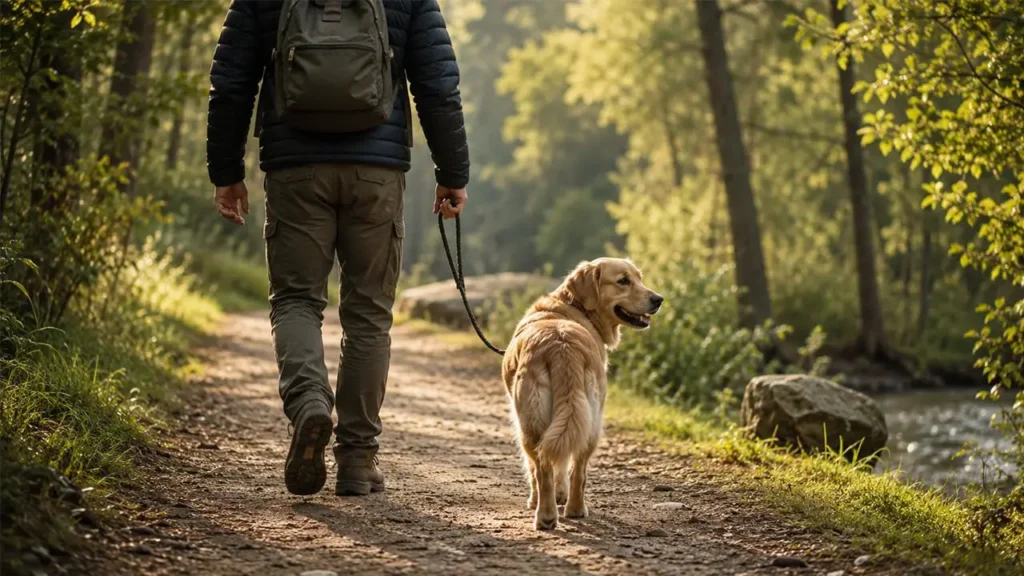
7. How Seasonal & Environmental Changes Affect Outdoor Behavior
Spring: Rising temperatures bring more pedestrians, vehicles, diverse plant scents and insects. Sudden gusts of wind, thunder and rain frequently startle sensitive dogs and trigger stress. Dogs in heat also show mood swings and reduced willingness to walk.
Summer: Extreme heat and hot pavement, together with constant cicada chirps, thunderstorms and strong winds, create physical and sensory discomfort. Many dogs refuse to step out at the door.
Autumn: Mild weather and calm surroundings make this the ideal season for recovery training. However, rolling fallen leaves and blowing debris may scare some dogs and cause temporary hesitation.
Winter: Cold temperatures and slippery icy roads irritate respiratory systems and joints. Fireworks and firecrackers around holidays produce deafening noise, which is a major cause of long-term outdoor fear.
In addition, moving houses, corridor renovations, nearby construction or stray animals in the neighborhood break the dog’s familiar environment and sense of security, resulting in avoidance of walks.
8. Managing Group Fear & Emotional Contagion in Multi-Dog Households
Dogs easily pick up emotions from one another. If one dog tucks its tail and retreats in fear, the whole group will soon feel anxious and refuse to go out. The core rule is separate guidance and individual training. Do not walk multiple dogs on leashes at the same time.
Take calm and confident dogs out first to build a relaxed atmosphere, then guide timid pets one by one. Never pair scared dogs with bold companions, as they will keep absorbing negative emotions.
Identify group triggers: if all dogs fear the same sound or area, avoid that place and time. If only individuals feel nervous, focus on one-on-one emotional counseling.
Use exclusive leashes and harnesses for each dog. Do not share walking gear. Organize more group play indoors to lift overall mood and reduce anxiety. Comfort your dogs immediately when signs of tension appear, and avoid loud reactions that spread fear.
9. Full Analysis: Causes & Progressive Recovery Training Tutorial
Based on pet behavior studies, there are five main reasons why dogs suddenly fear walks. Below are detailed explanations and step-by-step positive reinforcement training plans.
Five Main Causes of Outdoor Avoidance
Cause 1: Sudden External Fright (Most Common Trigger)
Loud car horns, thunder, fireworks, charging large dogs, chasing strangers or unexpected loud noises create intense fear. The dog forms a conditioned reflex: going outside equals danger, and chooses to avoid walks actively.
Cause 2: Physical Discomfort & Unpleasant Sensations
Pain from paw injuries, overgrown nails, joint inflammation or sprained legs makes walking uncomfortable. Extreme heat, cold, rain and wet ground also drive dogs to stay indoors to escape discomfort.
Cause 3: Environmental & Social Pressure
Insufficient socialization from an early age makes dogs overly nervous around crowds and other pets. Frequent unwanted petting or confrontations with strange dogs build up social stress and resistance to going out.
Cause 4: Negative Associations From Owner’s Behavior
Past experiences such as harsh pulling, scolding during walks, or being taken to groomers and vet clinics right after going out link outdoor activities with bad memories and resistance.
Cause 5: Diminished Social Skills From Long Indoor Confinement
Staying home for extended periods makes dogs unfamiliar with the outside world. They become timid and stressed once they finally go out again.
Progressive Recovery Training (No Scolding, No Forcing | 10–20 minutes daily)
Core training principle: Build positive associations with treats, toys and companionship. Let your dog learn that going outside means fun and rewards. Increase difficulty gradually from nearby quiet areas to busy environments.
Stage 1: Desensitization at Home (Indoor → Entryway → Front Door)
Start with fun games and treats inside the house to relax your dog. Guide it slowly toward the entryway and front door. Reward with snacks and praise every time it approaches voluntarily.
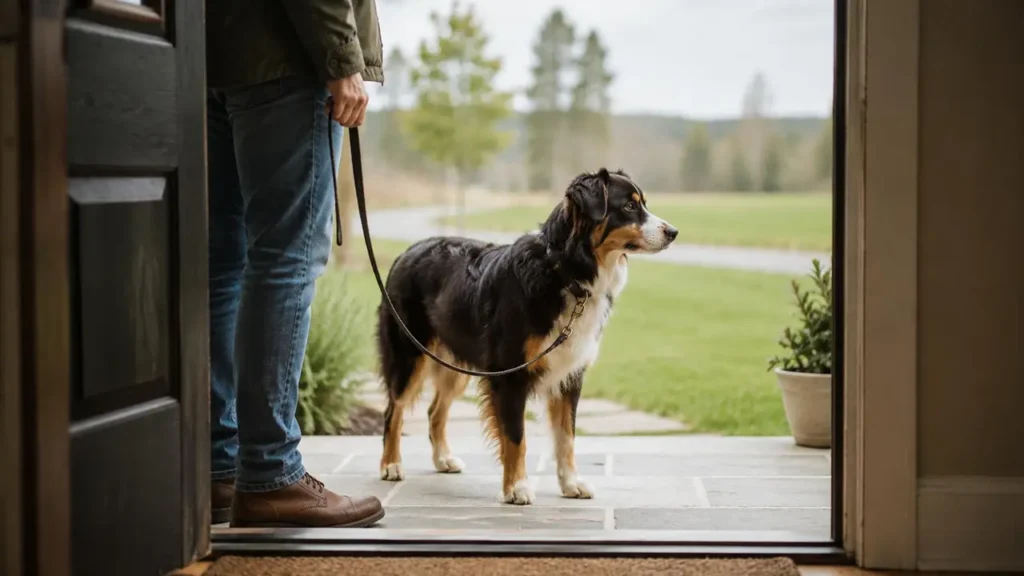
Do not open the door or push it outside. Repeat until the dog moves freely and stays calm near the doorway. Goal: Eliminate tension around the home entrance.
Stage 2: Adapt to the Area Just Outside the Door (Front Door → Hallway)
Open the door wide. Stand inside or outside and lure the dog out with treats. Limit activities to the doorway and the first section of the hallway. If it gets nervous, head back indoors and try again the next day.
Gradually expand the walking range across the whole hallway with constant encouragement and rewards. Goal: Willingly step out of the house and explore the hallway without fear.
Stage 3: Static Adaptation at the Building Entrance (Hallway → Main Gate)
Lead the dog to the building gate but stay inside first to let it sniff and play. After full adaptation, let it step outside briefly onto the steps, observe the surroundings and then return for rewards.
Extend static standing time little by little until it stays relaxed while watching the outside environment. Goal: Get used to outdoor air, light and distant noises.
Stage 4: Short-Distance Walking Training (Building Gate → Nearby Neighborhood)
Choose quiet routes with few people. Walk slowly for short distances. Stop frequently to reward treats and let the dog sniff around freely. Soothe it at once if you spot signs of anxiety, or turn back to familiar areas.
Increase walking distance slightly every day without rushing. Goal: Walk steadily in quiet nearby areas.
Stage 5: Adapt to Complex Environments (Noises, Crowds & Other Animals)
When your dog stays fully calm, go out during lightly busy hours to expose it to soft noises, small groups of people and friendly dogs. Add only one new stimulus at a time, and move to the next level after full adaptation.
Keep away from loud noises and large aggressive dogs temporarily. Do not force interaction. Goal: Adapt to regular outdoor surroundings and common sounds.
Stage 6: Maintain Daily Routines
Return to regular walking schedules with fixed time and routes. Keep offering treats and play during walks to sustain positive feelings. Avoid sudden route or schedule changes to maintain a stable sense of security.
Targeted Solutions for Different Causes
- Fright-induced fear: Slow down all training steps and spend more time comforting the dog. Keep away from the scary locations and sounds temporarily. Extend the recovery period.
- Physical discomfort: Visit a vet for examination and treatment first. Start outdoor training only after pain disappears. Avoid midday heat in summer and keep warm in winter.
- Social stress: Reduce close contact with strangers and unfamiliar dogs. Stick to quiet routes and improve social skills gradually. Never force interaction.
- Negative associations: Separate different outdoor activities. Do not combine walks with grooming or vet visits. Focus on fun and play to rebuild happy memories.
- Diminished social skills: Stick to short daily outings and progress step by step. Avoid long-term indoor confinement.
General Daily Prevention Plan
- Regular walks: Maintain consistent daily outdoor time to keep your dog familiar with the outside world.
- Positive guidance: Use encouragement and rewards during walks. Never pull, shout or punish.
- Physical care: Protect dogs from heat in summer and cold in winter. Trim paw hair and nails regularly to prevent walking pain.
- Early socialization: Let puppies meet gentle people, animals and various sounds from an early age to build confidence.
- Avoid strong stimuli: Reduce outdoor activities during thunderstorms, fireworks and construction noise. Comfort dogs indoors.
- Observe mood: Watch your dog’s behavior on walks and relieve tension early before fear develops.
- Stable routes: Stick to familiar quiet paths and avoid strange busy roads as much as possible.
10. FAQs About Dog Outdoor Behaviors
Q: My dog walks a short distance then wants to go home. Is this stress or fear?
A: If it stays relaxed without trembling or a tucked tail, it is just playful tiredness. If it acts nervous and hesitant, basic desensitization training is needed.
Q: Can I carry my scared dog outside to help it get used to the outdoors?
A: It works for temporary emergencies, but do not rely on this long-term. Dogs need to walk independently to build confidence.
Q: How long does it take for a dog to recover after being scared by fireworks?
A: Mild fright usually fades within one week. Severe psychological trauma may take three to four weeks or longer. Be patient with consistent training.
Q: Will long forced walks help build a dog’s courage?
A: No. Forcing long walks worsens stress and may lead to mental issues. Always follow a gradual approach.
Q: Should senior dogs with sore legs and fear of walks still go out?
A: Yes. Choose flat ground, shorten distance and slow pace. Mild exercise benefits joints and mood. Stop if the dog feels tired or anxious.
Q: My dog loses control of its bladder or bowels as soon as we go out. Is it just timid?
A: This is a clear sign of severe stress. Stop long walks immediately and restart desensitization training from the front door.
Q: Can bold dogs help timid ones relax when walking together?
A: Confident companions can offer positive influence. However, overly dependent timid dogs achieve better results with separate individual training.