Why Does Your Dog Keep Scratching the Floor at Home? Natural Instincts & Effective Training Tips

Many dog owners struggle with a common nuisance: dogs constantly scratching floors, tiles or carpet edges indoors. Some pets even scratch relentlessly late at night, creating loud, irritating noises. Most people assume their dogs are simply being naughty or destructive, so they shout or punish them. However, harsh discipline rarely solves the problem. Instead, dogs tend to scratch secretly when no one is around, and the bad habit grows worse over time.
In fact, floor scratching is seldom deliberate misbehavior. It is usually driven by innate canine instincts, excess energy, anxiety, discomfort, itchy skin or irregular daily routines. Blind punishment only increases a dog’s stress, reinforces compulsive habits, and may lead to additional issues such as excessive barking and destructive chewing. If left unaddressed long-term, persistent scratching will scratch up flooring and furniture, create noise disturbances, and hide underlying physical or mental health problems. Combining professional canine behavioral science and positive reinforcement training, this guide helps you tell apart normal instinctive scratching and abnormal compulsive behavior. It covers common owner mistakes, potential risks, quick home solutions, and a complete set of behavior correction, energy release and environment management techniques to stop indoor floor scratching permanently.

1. Is Floor Scratching Always Destructive Misbehavior?
It is vital to distinguish normal instinctive scratching from abnormal compulsive scratching to avoid unfair punishment.
Occasional light scratching on floors or carpets that stops quickly is completely natural. Dogs in the wild scratch the ground to flatten their beds, mark scent and adjust temperature. Domestic dogs retain this primitive instinct. If your dog looks relaxed, acts normally during meals, play and rest, and only scratches briefly before sleeping or when bored, this is healthy instinctive behavior and requires no strict correction.
If your dog scratches continuously for long hours every day, day and night, and cannot stop on its own. It may scratch until its nails or paw pads get worn and sore, or act restless, spin in circles, bark and chew furniture while scratching. This is abnormal compulsive behavior. It is mainly caused by unspent energy, chronic anxiety, poor living conditions, skin irritation or irregular schedules, and needs timely intervention and training.
2. Common Mistakes When Correcting a Dog’s Scratching Habit
Most persistent indoor scratching problems are worsened by improper owner handling and raising habits. These frequent mistakes strongly reinforce bad behaviors:
- Yelling and physical punishment: Scolding or hitting your dog while it scratches causes fear and stress. Anxious dogs will hide and scratch when alone or at night, creating a vicious cycle of punishment and repeated misbehavior.
- Total prohibition without proper guidance: Scratching is deep-rooted canine instinct. Simply banning the behavior without offering alternative outlets builds up pent-up energy and emotions, leading to more serious destructive habits like wall chewing and excessive barking.
- Ignoring mild scratching: Many owners overlook occasional scratching, thinking it is harmless. Gradually, the action becomes a fixed compulsive habit that is extremely hard to correct later.
- Boring indoor environment with no mental stimulation: If dogs only go for simple walks without interactive or puzzle games, they have no way to release physical and mental energy. Floor scratching becomes their main way to kill boredom and relieve stress.
- Lack of companionship and irregular routines: Long hours of solitude, late-night excitement and unstable schedules make dogs emotionally volatile, and they rely on scratching to soothe themselves.
In multi-dog households, scratching behavior is highly imitative. One dog scratching the floor will quickly influence others, forming a widespread bad habit without timely interruption.
3. Household & Health Risks Caused by Long-Term Excessive Scratching
For dogs themselves, continuous scratching wears down nails, causing splitting, cracking and even bleeding. Frequent repetitive movements strain forelimb muscles and joints, leading to chronic soreness. Mentally, compulsive scratching indicates long-term boredom, depression and anxiety. Affected dogs often become nervous, irritable and unable to focus.
For your home, persistent scratching leaves permanent scratches on wooden floors, tiles, carpets and upholstery. Loud scratching noises at night disturb sleep and annoy neighbors. Flooring debris, hair and dust also accumulate easily, raising cleaning work and creating a breeding ground for bacteria and mites.
Furthermore, dogs with unrelieved energy and stress from constant scratching tend to develop a range of secondary bad habits, including chewing objects, inappropriate elimination and unprovoked barking, making daily pet management much more difficult.
4. Emergency Interruption, Calming & Temporary Control Methods
When you catch your dog scratching the floor, do not shout or startle it. Instead, gently redirect its attention with favorite treats, toys or interactive games to stop the behavior naturally without adding negative emotions.
Quick home check: Observe when the scratching happens — before sleep, during alone time or in itchy seasons. Notice whether your dog frequently scratches its body or acts agitated, so you can tell if the cause is instinct, excess energy or physical discomfort.
Temporary control solutions: Place non-slip pet mats over heavily scratched areas to block access to bare floors. Remove loose carpets and fabric mats to prevent tearing. Spend more time interacting with your dog, and organize simple scent games or basic obedience training to burn extra energy and calm its mood.
Calming skills for anxious dogs: Keep the room quiet with soft lighting and white noise. Offer comfort toys to ease tension. For dogs driven by excess energy, arrange short but intensive activities immediately to stop repetitive compulsive actions.
5. How Age, Body Condition & Health Affect Scratching Behavior
Puppies (3 months to 1 year old): Puppies are naturally curious, full of energy and have unstable daily routines. Teething discomfort and mood swings also make them prone to scratching floors to explore surroundings and release energy. Young dogs have strong behavioral adaptability; early guidance can easily correct bad habits. Timid, hyperactive and underweight puppies tend to scratch more often.
Adult dogs (1 to 7 years old): Well-adjusted adult dogs rarely scratch floors for no reason. Sudden frequent scratching in adulthood is almost always triggered by external factors: insufficient exercise, boredom, seasonal skin itch, environment changes, stress and disrupted schedules. Healthy, active dogs rarely scratch indoors, while overweight, sedentary indoor dogs develop this habit far more easily.
Senior dogs (7 years and older): Older dogs have lower energy levels and seldom scratch excessively under normal circumstances. If senior dogs suddenly start persistent scratching, especially at night, it is a red flag. This abnormal repetitive behavior is usually linked to cognitive decline, nerve agitation, sleep disorders or physical discomfort, and requires timely care and intervention.
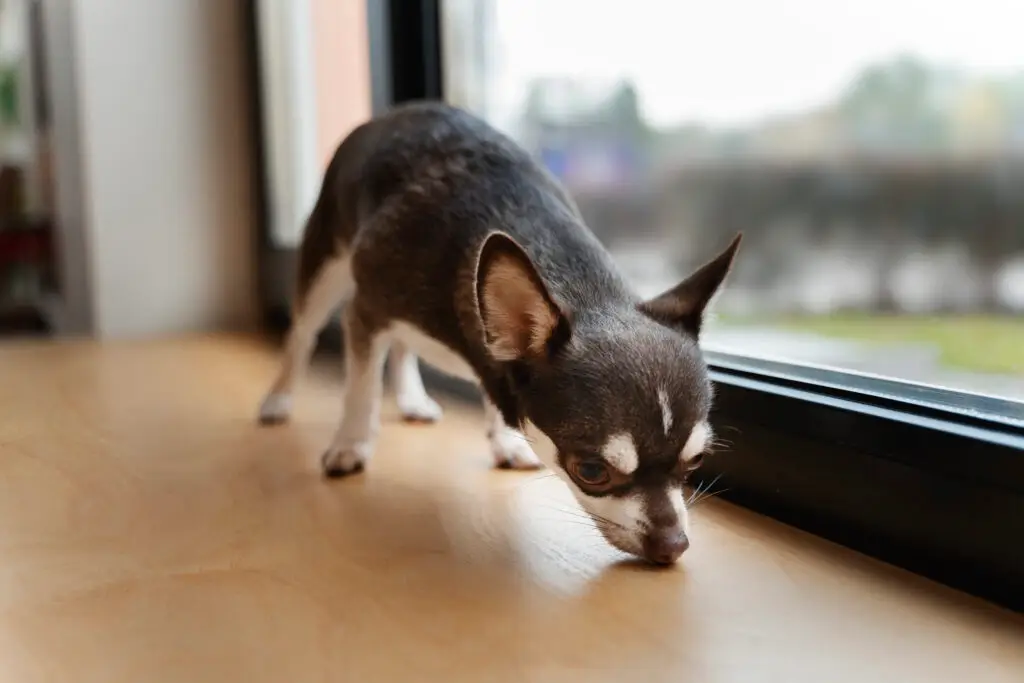
6. Dog Breed Differences in Scratching Tendency & Intensity
High-digging breeds: Terriers, Corgis, Dachshunds and Poodles are born with strong digging instincts. Their wild ancestors dug soil to find food and build nests, so they are the most likely breeds to scratch floors, carpets and furniture indoors.
High-energy working breeds: Border Collies, Huskies, Shiba Inus and working dog breeds have extremely high exercise demands. When daily walks and mental training are insufficient, they release pressure and energy through constant scratching, usually accompanied by hyperactivity and restlessness.
Gentle companion breeds: Golden Retrievers, Labrador Retrievers, Bichon Frises and Samoyeds have calm temperaments. They only scratch occasionally to flatten their sleeping areas or out of mild boredom. Their scratching behavior is mild and easy to fix, with little damage to household items.
Short-nosed breeds: French Bulldogs, English Bulldogs and Pugs have low activity levels. Their scratching is mostly caused by skin itch, stuffy heat or adjusting sleeping positions, rather than excess energy. Owners should mainly check their physical comfort and skin health.
7. How Seasonal & Environmental Changes Impact Indoor Scratching
Spring: Dogs become more energetic and restless in spring, and insufficient outdoor exercise leads to more indoor scratching. Meanwhile, active mosquitoes, mites and pollen cause seasonal skin allergies and itching. Dogs scratch floors and rub their bodies constantly to relieve irritation.
Summer: Hot weather makes cool tile floors appealing. Dogs scratch to flatten the surface for better heat dissipation. Longer indoor stay time and hot, irritable moods also increase scratching frequency.
Autumn: Dry autumn air causes dry skin, dandruff and general itchiness. Dramatic temperature shifts and environment changes raise dogs’ stress levels, triggering anxiety-related compulsive scratching.
Winter: Cold weather activates nesting instincts. Dogs scratch floors and mats repeatedly to make warm beds. Reduced outdoor activity and longer indoor boredom further worsen the scratching habit.
In addition, moving homes, furniture rearrangement, renovation, new pets joining the family and loud noises all break dogs’ sense of security, causing temporary but severe scratching episodes.
8. How to Stop Group Scratching Behavior in Multi-Dog Households
Dogs learn behaviors from each other quickly. A single scratching dog can turn the problem into a household-wide issue. Follow these core rules: immediate interruption, separate training, energy distribution and environment optimization.
Stop scratching right away once you notice it, and do not let the action continue long enough for other dogs to copy. Keep chronic scratchers separated temporarily to prevent behavioral spread.
Arrange personalized exercise and mental games according to each dog’s breed, age and energy level. Provide dedicated digging toys and scent activities for digging-prone breeds to satisfy their natural urges.
Rearrange your home: store easily torn carpets and soft fabrics, and lay pet mats in high-traffic areas. Organize group interactive games to create a relaxed atmosphere and reduce collective boredom and compulsive scratching.
9. Full Analysis: Root Causes & Complete Correction and Training Plan
Indoor floor scratching results from a combination of innate instincts, unbalanced energy, mental anxiety, physical discomfort and learned habits. Below is a detailed breakdown of main causes and practical correction and care solutions.
Six Core Causes of Frequent Floor Scratching
Cause 1: Innate digging and nesting instinct (Normal and fundamental cause)
All dogs inherit the wild habit of scratching to build nests, flatten resting areas and mark territory. Light scratching before sleep is pure natural behavior and does not require strict correction.
Cause 2: Excess physical and mental energy
Simple daily walks cannot fully consume a dog’s energy. Without puzzle toys, scent work or obedience training, dogs turn to floor scratching to kill time and release tension. This is the most common cause of abnormal indoor scratching.
Cause 3: Chronic stress, anxiety and separation unease
Long solitude, lack of attention, noisy surroundings and frequent scares keep dogs anxious. Repetitive scratching acts as a self-soothing method, gradually developing into a fixed compulsive disorder.
Cause 4: Discomfort caused by temperature or living conditions
Dogs scratch cool floors to beat the heat in summer and dig soft beds to stay warm in winter. Uncomfortable resting surfaces also trigger repeated scratching to adjust the environment.
Cause 5: Skin irritation and physical discomfort
Seasonal allergies, fleas, mites, dry skin and dandruff cause persistent itching. Dogs scratch and rub the floor to relieve discomfort, often accompanied by frequent body scratching and restlessness.
Cause 6: Bad habits formed by long-term tolerance
If mild scratching is completely ignored at the beginning, dogs learn that the behavior has no negative consequences. They automatically scratch floors whenever bored, anxious or ready to sleep, forming a stubborn habit.
Targeted Correction & Training Solutions (Positive reinforcement only, no punishment)
1. Nesting instinct scratching: Redirect and satisfy the urge
Do not fully block natural instincts. Prepare dedicated dog beds and scratchable pet mats, and allow limited scratching in designated areas to meet nesting needs. Guide your dog to its bed before bedtime to shift the behavior away from floors.
2. Excess energy scratching: Combine physical and mental exercise
Upgrade daily walks with fetch games, agility practice and obedience drills. Add indoor scent training, treat-dispensing toys and puzzle feeders to tire out your dog’s mind. For digging breeds, use sand pits and digging toys to channel their digging drive safely.
3. Anxiety-related scratching: Soothe emotions and stabilize the environment
Maintain regular daily routines, and minimize home changes and loud noises. Spend more time accompanying and petting your dog to build trust. Play soft white noise and leave comfort toys when your dog is alone to ease separation anxiety.
4. Temperature-related scratching: Optimize living environment
Place cooling mats indoors in summer and keep rooms well ventilated. Add thick soft bedding in winter for warmth. Adjust resting areas according to seasons to eliminate temperature-driven scratching.
5. Skin irritation scratching: Grooming and parasite prevention
Stick to a strict external deworming schedule. Use pet-friendly shampoo and moisturizing products in dry or allergy seasons to reduce dandruff and itchiness. Resolve skin problems from the source.
6. Fixed habit scratching: Gentle redirection and positive rewards
Interrupt scratching calmly and immediately without scolding. Praise and reward your dog with treats when it lies quietly or behaves well, reinforcing good manners and gradually fading the scratching habit.
Long-Term Home Control Plan
- Area isolation: Lay pet mats over frequently scratched floors to reduce damage and trigger points.
- Regular energy release: Arrange daily exercise and mental training to avoid long periods of inactivity.
- Instinct diversion: Provide professional digging and chew toys as alternatives to floor scratching.
- Stable environment: Avoid frequent moving, furniture changes and schedule adjustments.
- Early intervention: Correct mild scratching at an early stage to prevent habit formation.
- Routine health care: Trim nails regularly, protect paw pads and treat skin issues promptly.
General Daily Prevention Tips
- Match exercise intensity to your dog’s breed and energy level.
- Offer various interactive toys to fight boredom and repetitive behaviors.
- Use positive training instead of scolding or punishment.
- Adjust grooming and care routines according to seasonal changes.
- Keep the home quiet and stable to lower your dog’s stress.
- Check nails, paw pads and skin condition regularly.
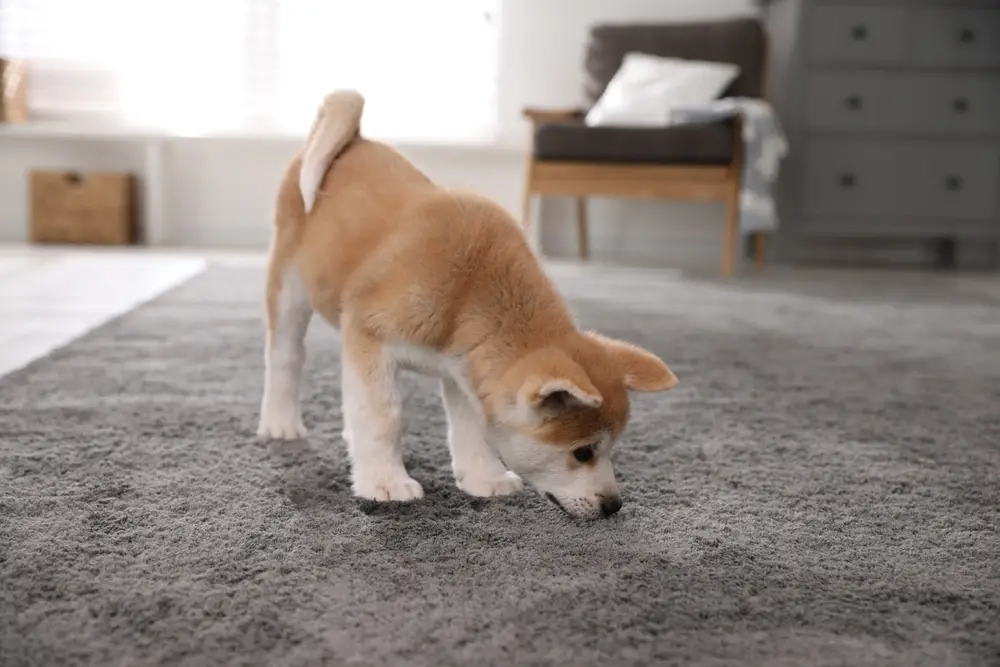
10. Frequently Asked Questions About Dog Floor Scratching
Q: Should I stop my dog from scratching the floor briefly before sleeping?
A: No. Light pre-sleep scratching is normal nesting instinct. It is harmless and requires no intervention.
Q: Does frequent floor scratching mean my dog has too much energy? A: In most cases, yes. Simple walking is not enough. You need to add mental games and interactive training to fully consume energy.
Q: Can scolding stop a dog from scratching floors permanently?
A: No. Punishment suppresses instincts and worsens anxiety. Dogs will scratch secretly at night or when alone, and the root problem remains unsolved.
Q: Why does my dog only scratch the floor when left alone?
A: This is usually caused by boredom and separation anxiety. Your dog gets distracted around people, but turns to scratching to relieve stress when alone.
Q: Is it serious if my dog’s nails get worn from constant scratching? A: Yes. It is a clear sign of compulsive behavior that has harmed physical health. You need to start systematic training and stress relief immediately.
Q: Is increased scratching in certain seasons normal?
A: Yes. Nesting and heat-dissipation needs rise in winter and summer, while energy surges and skin itch happen in spring and autumn. Proper environment adjustment and behavior guidance are sufficient.
Q: How to eliminate group scratching in a multi-dog household?
A: Use separate management, individual exercise plans, timely behavior interruption and environment improvement to reduce boredom and imitation.