How to Deal With Severe Seasonal Dog Shedding? Complete Home Cleaning & Grooming Tips

Every spring and autumn, dog owners all over the world face the same trouble: excessive seasonal shedding. Dog hair covers floors, sofas, beds and clothing, and the mess returns shortly after cleaning. Besides ruining home tidiness, floating pet hair may trigger allergies and respiratory discomfort for family members. Many pet parents take heavy shedding lightly and only focus on frequent cleaning, ignoring underlying health warnings.
Normal seasonal shedding is a natural part of a dog’s metabolism. However, excessive year-round shedding, patchy hair loss, dandruff and persistent itching usually result from improper grooming, nutritional deficiencies, skin disorders or stress. Left unaddressed, these issues will worsen hair loss and lead to serious skin diseases. Based on professional pet care experience, this guide distinguishes normal seasonal shedding from abnormal hair loss. It covers common grooming mistakes, potential health risks, at-home inspection methods, full hair care routines and practical cleaning solutions. Follow these tips to manage seasonal shedding effectively and keep your dog healthy and your home clean.
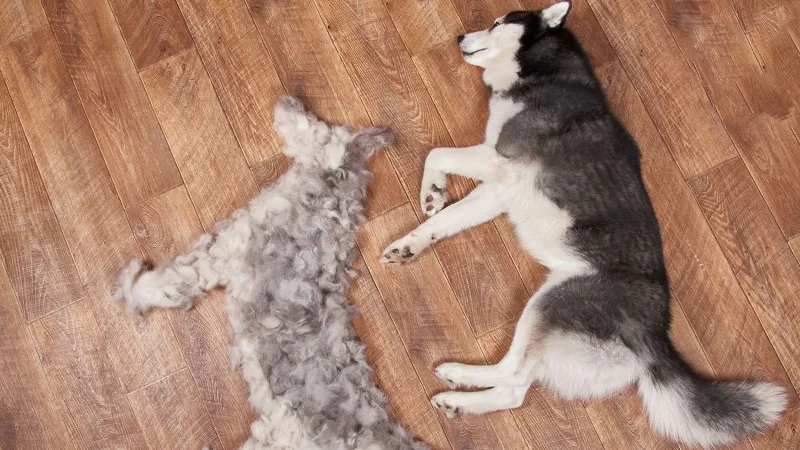
1. Does Heavy Shedding Always Mean Your Dog Has Skin Problems?
First, learn to tell the difference between natural seasonal shedding and pathological abnormal hair loss.
If your dog sheds heavily only during spring and autumn, with even hair loss across the whole body, no bald spots, red skin, scabs or constant scratching. It maintains normal appetite, energy and mood. This is healthy seasonal shedding. Dogs shed old fur and grow new coats to adapt to temperature changes. No medical treatment is required — regular grooming and cleaning are sufficient.
If your dog sheds excessively outside seasonal transition periods, or experiences extreme shedding far beyond normal levels during seasons. You notice patchy thinning fur, bald patches, rashes, heavy dandruff, frequent biting or scratching, dry brittle hair and unusual body odor, plus low energy and poor appetite. This is abnormal pathological shedding. Common causes include malnutrition, incorrect bathing routines, skin infections, allergies, stress and parasites, which require timely care and treatment.
2. Common Mistakes When Managing Seasonal Dog Shedding
Many cases of worsened shedding are caused by improper daily care. These widespread mistakes can damage your dog’s skin and coat seriously:
- Bathing too frequently: Some owners bathe their dogs 2 to 3 times per week to reduce hair and dirt. Over-washing strips the natural protective oil layer on the skin, leading to dryness, dandruff and fragile hair follicles, which make shedding even worse.
- Skipping regular brushing: Without daily brushing, loose undercoat accumulates and tangles. Matted fur pulls on hair follicles continuously, causing permanent follicle damage and ongoing hair loss.
- Unbalanced diet or over-supplementation: Feeding only single-ingredient dog food leads to insufficient lecithin, fish oil and protein for healthy coats. High-salt, high-fat human food and excessive snacks disrupt metabolism and result in dull, brittle fur.
- Using wrong grooming products: Human body wash or low-quality dog shampoo contains harsh ingredients that irritate the skin, trigger allergies and inflammation, and accelerate abnormal shedding.
- Only cleaning hair without coat care: Constantly removing loose hair around the house cannot solve the root cause. Neglecting skin and fur maintenance leads to recurring heavy shedding every season.
In multi-dog households, applying the same rough grooming routine to all breeds will aggravate shedding in certain dogs and create a much bigger mess indoors.
3. Health & Household Risks Caused by Severe Long-Term Shedding
For dogs, persistent abnormal shedding indicates damaged skin and hair follicles. Mild symptoms include dull, tangled fur. In serious cases, dogs develop dry itchy skin, excessive dandruff, and secondary fungal, bacterial or mite infections, resulting in bald patches and painful skin lesions. Shedding caused by malnutrition also weakens the immune system and makes dogs prone to illnesses.
For households, floating dog hair lingers in the air, furniture gaps and bedding. It collects dust, bacteria and mites. Elderly people, young kids and allergy sufferers are likely to suffer from rhinitis, coughing and skin irritation.
In addition, dogs may ingest loose hair while grooming, forming hairballs in the digestive tract. This can cause vomiting, constipation, indigestion and even intestinal blockage. Severe coat loss also weakens a dog’s ability to keep warm in winter and cool down in summer, increasing discomfort during seasonal changes.
4. Quick At-Home Hair Removal & Emergency Grooming Tips
During peak shedding seasons, use these practical methods to control loose hair and protect your dog’s skin.
Fast household hair removal: Use a vacuum cleaner or electrostatic mop to pick up loose hair on hard floors without stirring up dust. A lint roller or pet hair remover works perfectly on sofas, beds and clothes. Wipe narrow gaps and corners with a damp cloth to trap remaining hair. Wash pet beds, cushion covers and curtains regularly to reduce accumulated hair.
Improve indoor air quality: Run an air purifier to filter floating fine hair and dust, protecting your family’s respiratory health. Keep rooms well ventilated and avoid humid conditions that breed bacteria.
Emergency dog grooming: Brush your dog once every day to remove loose fur before it spreads around the home. Avoid unnecessary baths to preserve skin oils. Cut back on high-salt and fatty snacks to ease metabolic stress. Apply pet-safe moisturizing coat spray to relieve dry skin and dandruff.
Maintain low humidity indoors, as damp environments easily trigger fungal infections and worsen itching and shedding.
5. How Shedding Relates to Dog Age, Body Type and Physical Condition
Puppies (3 months to 1 year old): Puppies go through puppy coat transition. Their soft baby fur falls out to make way for adult hair. Combined with seasonal shedding, hair loss becomes obvious. Puppies have delicate follicles; proper nutrition helps them grow thick new coats, while poor diet leads to thin, dull fur. Underweight and weak puppies tend to shed more heavily.
Adult dogs (1 to 7 years old): Metabolism stays stable, so seasonal shedding is even and predictable. Dogs with healthy weight, regular exercise and balanced diet have manageable shedding and shiny dense coats. Overweight, inactive indoor dogs have slow metabolism, greasy fur and significantly increased hair loss during seasons.
Senior dogs (7 years and older): Aging slows down body functions and follicle activity. Senior dogs shed all year round, not just in transitional seasons. Their fur gradually turns thin, gray and brittle, and skin immunity declines, making dandruff, itching and pathological shedding very common. Gentle grooming is essential for older dogs, as harsh care will easily hurt their skin.
6. Dog Breed Differences in Shedding Levels & Seasonal Coat Changes
Heavy-shedding double-coated breeds: Golden Retrievers, Labrador Retrievers, Samoyeds, Huskies, Border Collies and Shiba Inus are the biggest shedders. They lose massive amounts of soft undercoat in spring and autumn. Daily thorough brushing is required, and these breeds are highly likely to develop matting and skin problems without proper care.
Moderate-shedding short-haired breeds: Corgis, French Bulldogs and Beagles have short dense fur. Their shedding looks less noticeable, but tiny hairs float easily in the air and are hard to clean, often triggering allergies. Dense follicles make short-haired breeds prone to skin sensitivity and extra shedding in hot weather.
Low-shedding hypoallergenic curly-coated breeds: Poodles, Bichon Frises and Schnauzers have single curly coats with almost no large-scale seasonal shedding. Their hair grows continuously and tangles easily. Lack of brushing pulls follicles and causes local bald spots and abnormal hair loss.
7. How Seasonal Weather Impacts Dog Coats and Shedding
Spring: Temperatures rise, and dogs shed thick winter undercoat to prepare for hot weather. This is the heaviest shedding period all year round. Dry windy air and pollen commonly cause dry skin and allergic itching, which further increase hair loss from scratching.
Summer: Most dogs finish seasonal shedding, and overall hair loss reduces. However, high heat, humidity, mosquitoes and sweat create a damp environment on the skin, encouraging fungal and bacterial growth and causing local hair loss and dandruff.
Autumn: Temperatures drop. Dogs shed thin summer fur and grow thick winter coats, leading to a second round of moderate shedding. Dry autumn air dehydrates the skin and hair, resulting in brittle hair, split ends and recurring dandruff.
Winter: Shedding reaches the lowest level, and coats enter the growth phase. Dry indoor heating and large temperature differences between indoors and outdoors dehydrate the skin. Less exercise and slow metabolism also cause mild persistent shedding in some dogs.
Sharp temperature swings and changing humidity during seasonal transitions weaken dogs’ immunity and cause mild stress, which also aggravates shedding.
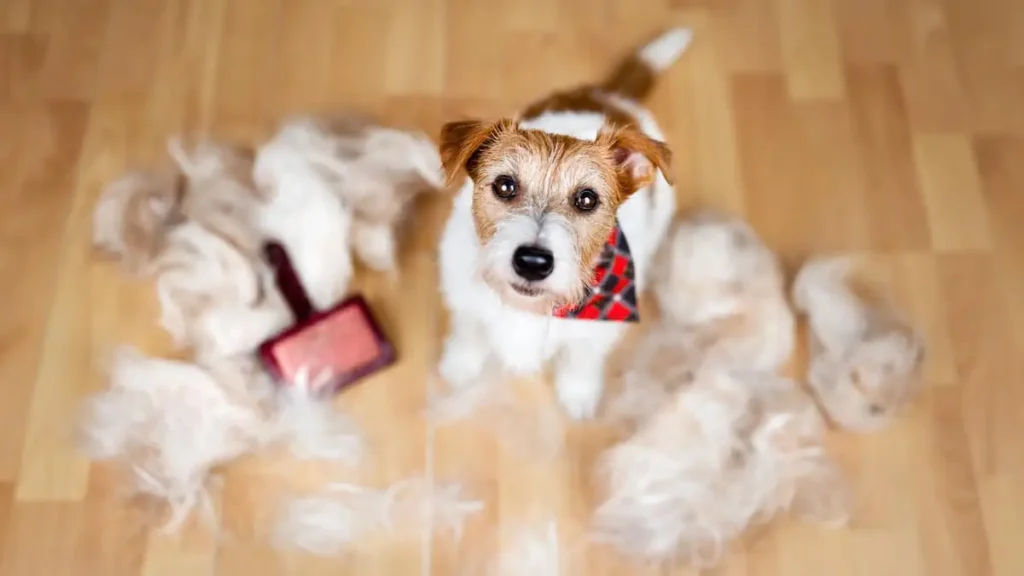
8. Managing Group Shedding and Mess in Multi-Dog Households
Multi-dog families usually face severe hair accumulation and cross-transmitted skin issues during shedding seasons. Follow this core rule: individualized grooming, unified cleaning and targeted care.
Groom and bathe each dog separately according to their coat type. Double-coated breeds need daily deep brushing, while curly and short-haired breeds require thorough combing every other day. Provide exclusive brushes, towels and beds for each dog to avoid cross-contamination of skin bacteria.
Keep all dogs on a light, nutritionally balanced diet. Ban high-salt food and table scraps, and add coat supplements uniformly to reduce overall shedding. Disinfect pet beds, toys and activity areas regularly to kill bacteria and mites.
Distinguish different symptoms: Even full-body shedding without skin irritation means normal seasonal change — just increase cleaning and grooming. If multiple dogs develop dandruff, itching and bald spots at the same time, it is usually a group skin infection caused by poor hygiene. Perform full disinfection and targeted treatment immediately.
9. Full Breakdown: Causes of Seasonal Shedding + Complete Care & Cleaning Solutions
Seasonal shedding is affected by physiology, diet, grooming and environment. Below are the main causes and all-round solutions to reduce hair loss and improve coat health.
Six Main Causes of Seasonal Shedding
Cause 1: Natural seasonal coat transition (Most common & normal)
Dogs adjust their coats to adapt to temperature. They shed winter fur in spring and grow thick coats in autumn. Double-coated breeds lose large volumes of undercoat naturally. No treatment is needed — regular brushing and cleaning are enough.
Cause 2: Unbalanced diet (Top human-related cause)
Lack of high-quality protein, fish oil, lecithin and vitamins weakens hair follicles. Diet high in salt and fat disrupts metabolism, making hair fragile and accelerating shedding during seasons.
Cause 3: Incorrect bathing and grooming habits
Frequent baths, harsh shampoo and incompletely dried fur destroy the skin’s oil barrier. This leads to dry skin, inflammation and follicle damage, resulting in continuous shedding and dandruff.
Cause 4: Skin diseases and external parasites
Changing temperature and humidity in transitional seasons activate fungi, bacteria and mites. These irritate the skin, cause dermatitis and itching, and lead to pathological patchy hair loss.
Cause 5: Environmental stress and metabolic disorders
Fluctuating temperature and weather lower dogs’ immunity and cause mild stress. Unstable metabolism triggers extra shedding.
Cause 6: Matted fur and follicle damage from lack of brushing
Loose hair tangles and pulls follicles constantly when left unbrushed. Damaged follicles cannot grow new hair normally, creating a vicious cycle of worsening shedding.
Complete Step-by-Step Coat Care Routine
Stage 1: Daily Brushing (Core priority)
Brush your dog every day during shedding seasons. Use a slicker brush and undercoat rake for double-coated breeds to remove loose undercoat deeply. Use round-tip combs for curly and short-haired dogs to work through tangles. Brushing removes loose hair, massages skin, boosts blood circulation and protects follicle health. Brush gently for 5 to 10 minutes each time.
Stage 2: Scientific bathing routine
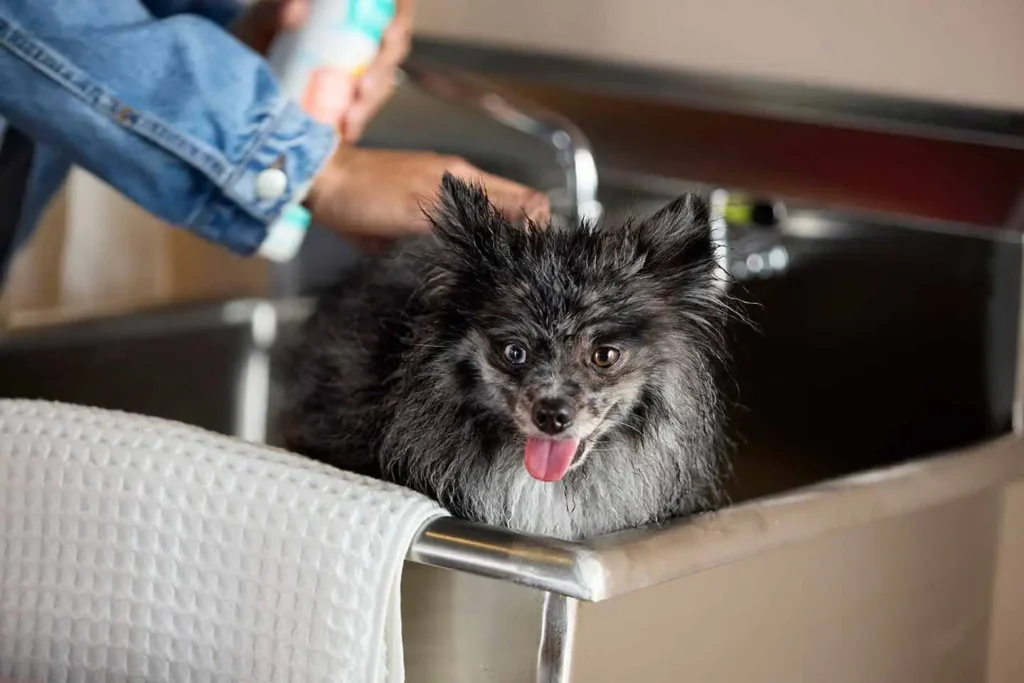
Extend bathing intervals during shedding seasons. Healthy dogs only need a bath every 7 to 10 days. Always use mild dog-specific shampoo. Dry the coat and underlying skin thoroughly after bathing to prevent dampness and infection. Use pet conditioner and moisturizing spray for dogs with dry skin and dandruff.
Stage 3: Nutritional support for coats
Choose high-protein premium dog food as the staple diet. Add pet fish oil, lecithin and multivitamins during shedding seasons to nourish follicles and make fur smooth. Never feed salty, greasy human food or strong-smelling treats to maintain stable metabolism.
Stage 4: Maintain skin health
Keep living areas dry and well-ventilated. Disinfect pet supplies regularly to prevent fungi and mites. Stick to a strict external parasite prevention schedule. Provide moisturizing care for mild dryness and dandruff. Visit a vet right away if you notice red skin, bald patches or scabs.
Stage 5: Daily routine & stress management
Arrange proper daily exercise to improve metabolism and follicle activity. Keep a regular schedule and reduce environmental changes to avoid stress-induced shedding.
Long-Term Home Cleaning Solutions
- Daily quick cleaning: Vacuum and mop floors every day. Clean sofas and bedding every other day to prevent hair buildup.
- Weekly deep cleaning: Wash pet beds and blankets weekly. Clean furniture gaps and dead corners thoroughly every month.
- Air purification: Run an air purifier constantly in peak shedding periods to filter floating hair.
- Protection covers: Use sofa covers and dog clothes to reduce hair sticking to furniture and fabric.
General Daily Prevention Plan
- Build a lifelong daily brushing habit instead of waiting until heavy shedding occurs.
- Stick to a light, nutritionally balanced diet and long-term coat supplementation.
- Follow a fixed bathing schedule, use pet-only grooming products and dry fur fully every time.
- Keep the home dry, clean and well-ventilated with regular disinfection.
- Complete internal and external parasite prevention on time, and check skin health regularly.
- Ensure proper exercise and a stable mood to minimize stress-related shedding.
10. Frequently Asked Questions About Seasonal Shedding & Dog Grooming
Q: Should I shave my dog’s coat completely to reduce shedding?
A: No. Shaving damages hair follicles and the natural coat protection layer. New hair may grow coarse, messy or even permanently impaired, leading to worse shedding. Regular brushing and follicle care are the correct solutions.
Q: Can I bathe my dog every day during shedding seasons?
A: Absolutely not. Frequent bathing strips protective skin oils and causes dryness and extra hair loss. Focus on brushing and stick to a reasonable bathing frequency.
Q: Is heavy dandruff along with shedding a normal seasonal reaction? A: A small amount of dandruff is caused by dry skin and is normal. Large amounts of dandruff accompanied by itching and red skin indicate abnormal skin problems that require immediate care.
Q: What food helps reduce seasonal shedding effectively?
A: Feed high-protein premium dog food, together with pet fish oil, lecithin and multivitamins. Avoid high-salt and greasy food. You will see obvious improvements in 1 to 2 cycles.
Q: Why does my dog shed much more heavily than other dogs in the same season?
A: It depends on breed, diet, grooming and physical condition. Double-coated breeds naturally shed more. Poor diet, no regular brushing, incorrect bathing and weak health will all worsen shedding.
Q: Is patchy hair loss caused by seasonal changes?
A: No. Even full-body shedding is normal for seasons. Patchy bald spots are usually signs of fungal infections, mites or dermatitis, which need veterinary treatment.
Q: Do puppies and senior dogs need special care during shedding seasons?
A: Yes. Prioritize nutrition and frequent gentle brushing for puppies to support follicle development. For senior dogs, use mild moisturizing care, keep meals light and reduce stress. Avoid harsh grooming methods.