Early Signs of Dehydration in Dogs and Cats: At-Home Checkups & Rehydration Methods

Most pet owners only associate pet dehydration with heatstroke or insufficient water intake. However, dehydration in dogs and cats is a common hidden health issue all year round. Minor diarrhea, frequent panting, dry indoor air, low water consumption, and excessive exercise can all cause gradual water loss in pets. Most caregivers only notice late-stage symptoms such as a dry mouth and lethargy while overlooking subtle early warning signs.
Mild dehydration can be resolved within minutes with timely intervention. Yet untreated mild dehydration that progresses to moderate or severe stages can lead to kidney failure, blood clots, shock, and multiple organ failure, ranking among the most fatal common pet health conditions. Unlike traumatic emergencies, pet dehydration causes no severe pain and no visible wounds, making it extremely inconspicuous. Based on professional veterinary clinical experience, this guide distinguishes normal water deficiency from pathological dehydration, summarizes common owner mistakes, shares practical at-home inspection skills, and thoroughly explains early dehydration symptoms, high-risk triggers, graded rehydration solutions, and long-term prevention strategies. It helps pet parents accurately assess conditions and provide scientific first aid to protect their pets’ health.
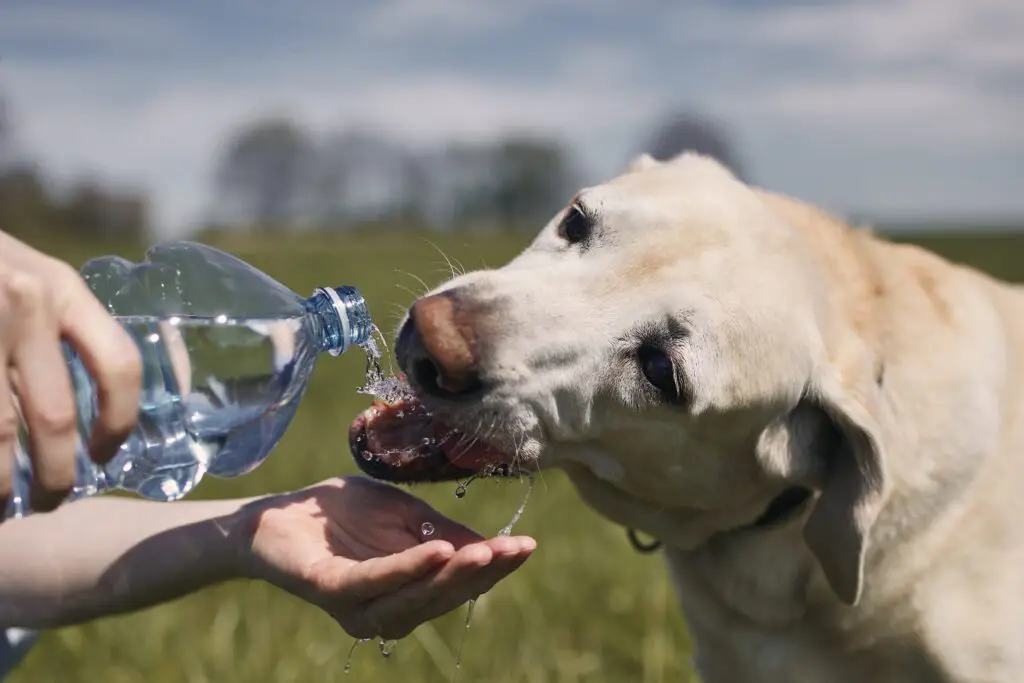
1. Does a Dry Mouth Mean Dehydration? Normal Thirst vs. Pathological Dehydration
A widespread misconception among pet owners is that a dry nose or dry mouth equals dehydration. In fact, a temporarily dry nose or mouth usually results from dry air, newly waking up, or prolonged lack of water, which does not indicate pathological dehydration. It is essential to differentiate harmless physiological water deficiency from dangerous pathological dehydration for accurate judgment.
Physiological Mild Water Deficiency (Safe & Controllable): If your pet has a slightly dry nose or mouth after prolonged no water intake or intense exercise but remains energetic, active, willing to eat, produces normal urine volume, and has fast skin elasticity recovery, this is just normal temporary thirst. The condition resolves immediately after drinking water and requires no special treatment.
Pathological Dehydration (Requires Urgent Intervention): Persistent dry mouth, crusty dry nose, slightly sunken eye sockets, dark yellow urine, reduced urination, and lethargy are typical red flags. If dryness cannot be relieved by drinking water, accompanied by diarrhea, vomiting, rapid panting, or persistent fever, your pet is suffering from severe water loss and electrolyte imbalance. Immediate rehydration and cause investigation are mandatory, as delays will rapidly aggravate organ damage.
2. Common Mistakes Owners Make When Rehydrating Pets
Repeated or chronic dehydration in pets is rarely caused by pets refusing water naturally; it mostly stems from incorrect owner rehydration habits. These common errors are the leading causes of hidden pet dehydration:
Mistake 1: Water in the bowl equals sufficient hydration. Many owners assume pets stay hydrated as long as water is available. However, dogs and cats are extremely sensitive to water quality, flow, and temperature. Stale, overnight, or dusty water is rarely consumed actively, leading to chronically insufficient water intake despite full water bowls.
Mistake 2: Forcing large amounts of water after dehydration. Flooding a dehydrated pet with excessive plain water drastically increases gastrointestinal pressure, triggering vomiting and choking. This further depletes water and electrolytes, worsening dehydration and even causing water intoxication.
Mistake 3: Only replenishing water without electrolytes. Dehydration caused by diarrhea, vomiting, and heatstroke involves the loss of not just water but also key electrolytes like sodium and potassium. Plain water cannot restore bodily osmotic pressure, resulting in poor rehydration effects and persistent weakness and lethargy.
Mistake 4: Only hydrating in summer and ignoring winter hydration. Dry indoor heating and reduced active water intake in winter make it the peak season for chronic dehydration. It easily causes urinary crystals, bladder stones, and constipation, bringing more hidden dangers than summer dehydration.
Mistake 5: Overlooking hidden water loss scenarios. Frequent panting, long-term stress, fever, loose stools, postpartum lactation, and post-surgical recovery all lead to massive water loss. Failure to increase water supplementation in time causes chronic dehydration.
In multi-pet households, shared water bowls lead to water competition, infrequent water replacement, and poor water quality, reducing overall water intake and causing widespread mild dehydration.
3. Short-Term & Long-Term Health Risks of Mild and Severe Dehydration
Acute Short-Term Hazards: Mild dehydration causes lethargy, fatigue, decreased appetite, dark yellow urine, and dry constipation. Moderate dehydration leads to slow skin elasticity recovery, sunken eye sockets, crusty nose, sticky dry gums, rapid heartbeat, and accelerated breathing. Severe dehydration results in poor blood circulation, low blood pressure, acute kidney injury, oliguria or anuria, cold limbs, and shock, which can cause sudden pet death in a short time.
Chronic Long-Term Hazards: Long-term insufficient water intake and repeated mild dehydration are the top cause of urinary system diseases in pets. They easily trigger bladder crystals, urinary stones, recurrent cystitis, hematuria, and painful urination. Meanwhile, dehydration slows liver and kidney metabolism, causes toxin accumulation, dry skin, excessive dandruff, and weakened immunity, making pets prone to recurring skin diseases, colds, and stress-induced illnesses.
Additionally, dehydration disrupts blood circulation and body temperature regulation, making pets more susceptible to heatstroke, low-grade fever, and physical exhaustion during seasonal temperature changes, gradually deteriorating their overall physical condition.
4. Quick At-Home Checks, Emergency Rehydration & First Aid Tips
No professional equipment is required. Pet owners can complete a three-step at-home dehydration check to accurately assess dehydration severity for all dogs and cats:
1. Skin Elasticity Test (Most Accurate): Gently pinch the loose skin on your pet’s neck. Healthy pet skin flattens instantly after release. A 1-2 second delay in skin rebound indicates mild dehydration; a rebound delay of over 3 seconds with stiff skin signals moderate to severe dehydration requiring immediate first aid.
2. Gum Moisture Test: Lift your pet’s lip to check the gums. Healthy gums are moist, glossy, and hydrated. Dry, sticky, dull, or pale gums are obvious signs of dehydration.
3. Urine Color & Energy Observation: Clear pale yellow urine is normal. Dark yellow or tea-colored urine with reduced output indicates dehydration. Lethargy and reduced activity further confirm severe physical discomfort.
Core At-Home Rehydration Principles: For mild dehydration, feed room-temperature water in small, frequent amounts. For moderate dehydration, supplement with pet-specific electrolyte water in tiny portions (never force large amounts). For severe dehydration accompanied by inability to swallow or continuous vomiting, stop at-home feeding and seek immediate veterinary intravenous fluid therapy.
5. How Age, Size & Physical Condition Affect Pet Dehydration Risks
Young Pets (Under 1 Year Old): Puppies and kittens have high body water ratios, fast metabolism, small body size, and limited water storage capacity. Diarrhea, vomiting, and dry environments cause extremely rapid dehydration. Juvenile pets deteriorate quickly, progressing from mild thirst to severe dehydration within hours, making them the highest-risk group.
Adult Pets (1–7 Years Old): Adult pets have stable physical conditions and strong self-regulation abilities, with low acute dehydration risks under normal circumstances. Sudden dehydration in adults is mainly caused by external factors: insufficient water intake, stuffy environments, gastroenteritis with diarrhea, stress panting, and overly salty or dry diets. Obese, inactive, and indoor-only pets with poor circulation and metabolism are more prone to dehydration.
Senior Pets (7+ Years Old): Aging pets have dull thirst perception, meaning they fail to drink water actively even when dehydrated. Combined with declining kidney function, slow metabolism, and abnormal urination, seniors frequently develop persistent chronic dehydration. Senior dehydration is highly hidden and a core trigger of kidney disease, urinary blockage, and accelerated organ aging.
Size-Related Differences: Small breed dogs and cats have low body weight and limited water storage, with an extremely low dehydration threshold, showing obvious symptoms after slight water loss. Medium and large dogs have stronger water storage capacity and rarely display early dehydration signs, yet dehydration causes greater physical damage and slower recovery once it occurs.
6. Thirst Tolerance & Dehydration Risk Levels by Dog and Cat Breeds
Flat-Faced Breeds (Ultra-High Risk): French Bulldogs, English Bulldogs, Pugs, Persians, and Exotic Shorthairs have shortened nasal cavities and poor heat dissipation through breathing. Their frequent daily panting accelerates water loss year-round, with the highest summer heatstroke and dehydration rates among all pet breeds.
Small Companion Breeds (High Risk): Teddy Bears, Bichons, Pomeranians, and Chihuahuas have small body sizes, low water storage, and sensitive constitutions. They dehydrate rapidly during seasonal dryness or minor gastrointestinal discomfort, requiring frequent daily hydration.
Large Working Breeds (Medium Risk): Border Collies, Golden Retrievers, Labradors, and Huskies have high exercise levels and fast breathing, losing massive water through panting after activity. Insufficient post-exercise hydration easily causes acute dehydration and heatstroke.
All Cat Breeds (High Hidden Risk): Inherently drought-tolerant and low-active in drinking, cats retain desert animal water-saving instincts. Most cats live with long-term chronic mild dehydration without obvious symptoms, which is the fundamental cause of their high incidence of urinary stones and kidney disease.
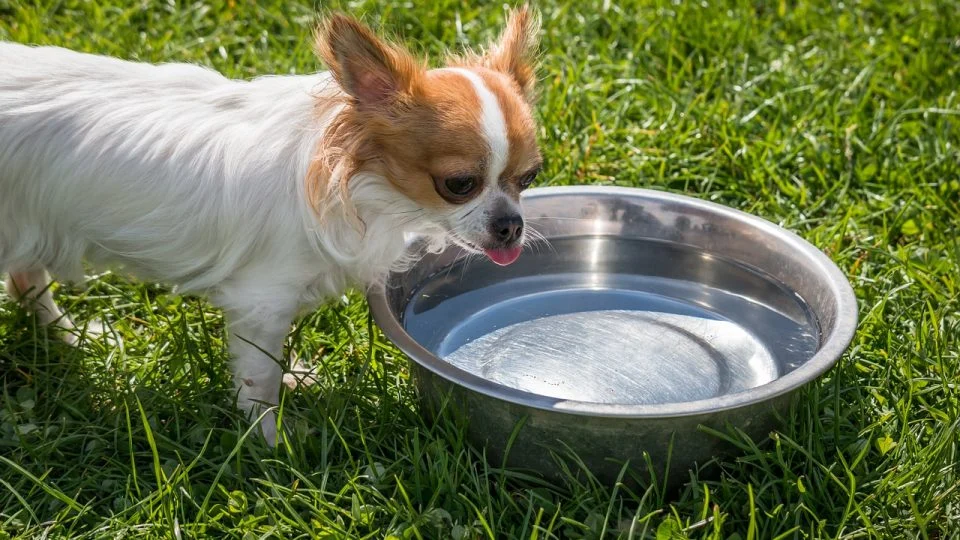
7. How Seasonal & Environmental Changes Impact Pet Dehydration
Spring: Windy, dry spring weather reduces air humidity, accelerating water evaporation from pet skin and respiratory tracts. Frequent seasonal allergies and fragile gastrointestinal health also cause recurrent loose stools and dual water loss, leading to repeated mild dehydration, dry mouth, and dry skin.
Summer: Hot and stuffy indoor and outdoor temperatures force pets to dissipate heat through continuous panting, causing rapid water loss. Active summer bacteria increase gastroenteritis and diarrhea cases, making summer the peak season for acute dehydration and heatstroke.
Autumn: Severe autumn dryness lowers air humidity, drying out pet noses, skin, and respiratory tracts. Improved autumn appetite increases dry food intake without matching water consumption, easily causing constipation, dark urine, and chronic water deficiency.
Winter: Long-term heating and air conditioning create extremely dry indoor environments, while pets have reduced thirst and active water intake. Though asymptomatic on the surface, winter brings the most severe chronic dehydration all year, with a sharp rise in urinary disease cases.
Additionally, moving homes, bathing, outdoor trips, stress, and long-term cage confinement cause pets to hold urine and refuse water, further worsening dehydration.
8. Management Tips for Group Dehydration in Multi-Pet Households
Multi-pet households commonly face widespread insufficient water intake and group dehydration, mainly caused by poor water quality, inadequate water bowls, drinking competition, and imitative water refusal. The core management principles are independent water supply, frequent water replacement, individual monitoring, and differentiated hydration.
Follow the “one bowl per pet, multiple water stations” rule to avoid shared water bowls and eliminate drinking competition and intimidation. Replace drinking water 2 to 3 times daily to remove stale, dusty water and boost pets’ willingness to drink.
Individually monitor each pet’s urine output, energy, and nose condition, focusing on high-risk groups: young pets, seniors, and flat-faced breeds. Supplement hydration through wet food, flowing water fountains, and electrolyte water for vulnerable pets.
If multiple pets simultaneously show dark urine, lethargy, and constipation, immediately check indoor humidity, water cleanliness, and recent diets. Adjust overall hydration plans to prevent collective urinary and gastrointestinal issues caused by chronic dehydration.
9. Full Analysis: Core Causes of Dehydration + Graded Rehydration & Care Plans
Pet dehydration is not simply caused by “drinking less water”. It results from the superposition of insufficient intake, excessive water loss, metabolic imbalance, and environmental discomfort. Below is a detailed breakdown of core causes and practical graded first-aid, rehydration, and long-term care solutions for home use.
Six Core Causes of Dehydration in Dogs and Cats
Cause 1: Insufficient Active Water Intake (Most Common)
Cats are naturally low drinkers, while dogs may refuse water due to poor water quality, dirty bowls, improper bowl placement, or an all-dry-food diet. Long-term inadequate water intake leads to persistent chronic dehydration.
Cause 2: Excessive Physiological Water Loss
High-temperature panting, over-exercise, seasonal dryness, indoor heating/air conditioning, and chronic stress accelerate water evaporation from the skin and respiratory tract, causing unnoticeable massive water loss.
Cause 3: Pathological Water Loss (High-Risk Warning)
Vomiting, diarrhea, fever, inflammation, and infections deplete large amounts of water and electrolytes in a short time, serving as the primary trigger of life-threatening acute severe dehydration.
Cause 4: Age-Related Metabolic & Sensory Degradation
Senior pets have dull thirst senses, failing to drink proactively despite dehydration. Declining kidney function and abnormal urination prevent effective water retention, leading to long-term water deficiency.
Cause 5: Unreasonable Dietary Structure
Long-term feeding of overly dry, salty, or greasy food and exclusive dry food diets without wet food or soup supplementation place persistent water pressure on the body, easily inducing dehydration and urinary problems.
Cause 6: Pseudodehydration Caused by Electrolyte Imbalance
Some pets drink plenty of water but still suffer from dryness and dark urine. This is not water deficiency but electrolyte disorder that prevents the body from retaining water, defined as electrolyte-type dehydration.
Graded Targeted Rehydration & First Aid Plan
1. Mild Water Deficiency (Slightly Dry Nose, Dark Urine, Normal Energy): Daily Hydration Optimization
Provide clean flowing water, add multiple water stations, and guide drinking in small, frequent portions. Supplement water through wet food, rehydrated freeze-dries, and pet soup. Improve indoor humidity to reduce skin and respiratory water evaporation, with full recovery achievable within 1 to 2 days.
2. Mild Dehydration (Slow Skin Rebound, Dry Gums, Lethargy): Electrolyte Rehydration
Plain water delivers limited effects; feed pet-specific electrolyte water to restore bodily osmotic pressure. Pause dry food and switch to an all-wet diet with soup. Keep the pet resting quietly, avoid exercise and stress, and monitor energy and urination every 2 hours.
3. Moderate to Severe Dehydration (Sunken Eye Sockets, Stiff Skin Rebound, Weakness, Oliguria): Immediate Veterinary Treatment
At-home oral rehydration is ineffective for severe dehydration, and delays will cause kidney damage and shock. Rush your pet to a vet clinic for subcutaneous or intravenous fluid therapy to rapidly restore water and electrolyte balance, while investigating underlying causes such as vomiting, diarrhea, and kidney inflammation.
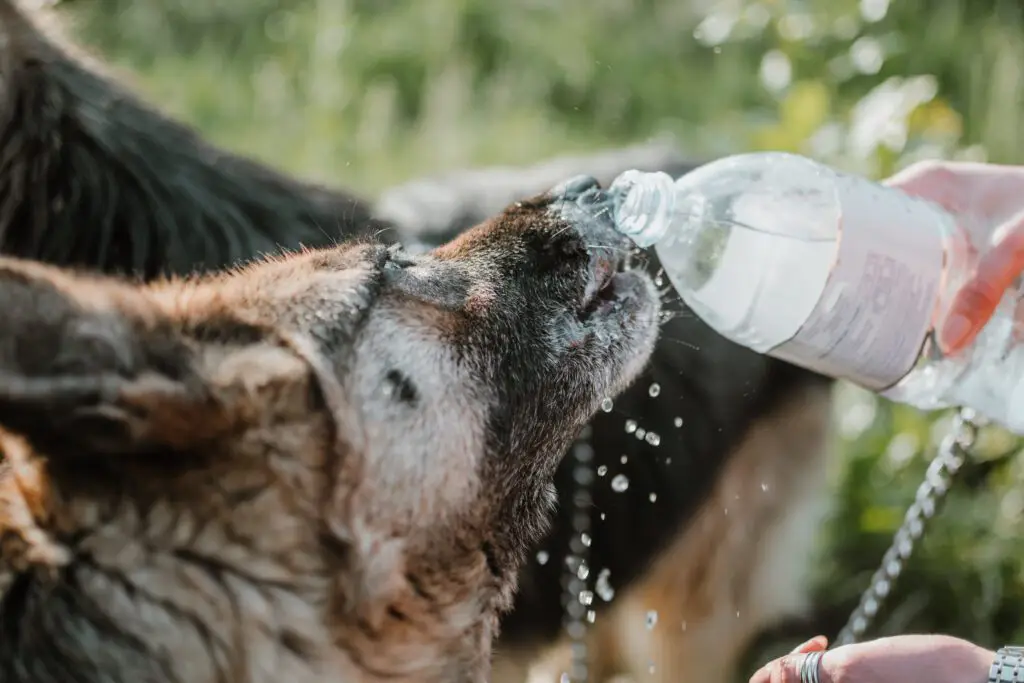
Long-Term At-Home Dehydration Prevention & Care Plan
Optimize Drinking Environment: Equip a flowing water fountain, replace water at least twice daily, and place water bowls far from litter boxes and toilets to ensure fresh, clean, odor-free drinking water.
Adjust Dietary Structure: Balance dry and wet food diets, regularly feed pet soup, wet food, and rehydrated freeze-dries to reduce water pressure from all-dry-food feeding.
Seasonal Humidity Management: Use humidifiers in autumn and winter, avoid direct air conditioning/heating wind, and maintain ventilation and cooling in summer to reduce environmental water loss.
Focused Care for High-Risk Pets: Daily check the nose, gums, and urine color of flat-faced breeds, young pets, seniors, and cats, with proactive early hydration supplementation.
Special Hydration During Illness: Supplement electrolyte water during diarrhea, vomiting, fever, post-surgery, and postpartum periods to avoid electrolyte imbalance from single water supplementation.
Daily Prevention Standards
1. Meet standard daily water intake: 40–60ml/kg for cats, 50–80ml/kg for dogs.
2. Maintain fresh, flowing, and clean drinking water at all times; avoid stale water storage.
3. Increase soup and wet food supplementation during dry and hot seasonal periods.
4. Avoid feeding overly salty, dry, or greasy human food to reduce bodily water consumption.
5. Perform a weekly dehydration self-check by observing nose condition, gums, and urine color.
6. Hydrate timely after illness, stress, and exercise to prevent accumulated hidden dehydration.
10. FAQs About Dehydration in Dogs and Cats
Q: Does a dry nose always mean dehydration or illness?
A: No. A slightly dry nose after waking up or during dry weather is normal. Accurately judge dehydration through three combined indicators: skin elasticity, gum moisture, and urine color.
Q: Why does my cat have dark urine even after drinking plenty of water?
A: This is usually caused by electrolyte imbalance or overly dry/salty diets. Plain water cannot help the body retain water. Supplementing electrolyte water and wet food can effectively improve water storage capacity.
Q: Can I cure dehydration by forcing large amounts of water at once?
A: No. Heavy water intake at one time causes vomiting, water intoxication, and severe electrolyte disorders, worsening dehydration. The correct method is small, frequent water supplementation with electrolytes and adequate rest.
Q: How to encourage pets to drink more water in dry winter weather?
A: Use a flowing water fountain, improve indoor humidity, feed more wet food and pet soup, and guide drinking in small frequent portions to solve chronic hidden winter dehydration.
Q: Is home observation safe for mild dehydration in young pets?
A: No. Juvenile pets deteriorate rapidly from dehydration. Seek veterinary examination immediately once slow skin rebound or lethargy is observed, to avoid progression to severe dehydration.
Q: Does long-term mild dehydration cause permanent aftereffects?
A: Yes. Persistent mild dehydration leads to irreversible chronic damage including chronic kidney disease, urinary stones, recurrent cystitis, dry skin, and low immunity.
Q: Can pets drink electrolyte water daily long-term?
A: Healthy pets only need plain water daily. Electrolyte water is only for short-term supplementation during dehydration, diarrhea, heatstroke, post-surgery recovery, and stress. Long-term daily use causes excessive electrolyte intake and increases physical burden.