What to Do If Your Pet Has a Fever? How to Take Temperature & Judge Danger Levels

Most pet owners assume their dogs or cats have a fever when they feel warm, lethargic, or sleepy. However, most caregivers cannot tell the difference between normal pet body temperature, temporary physiological heat elevation, and pathological fever. Pets often show slightly higher body temperature after exercising, staying in the sun, feeling stressed, or waking up. These are normal fluctuations and do not indicate sickness.
Two common owner mistakes lead to most pet fever complications: panicking and giving human medication or unnecessary vet visits, and ignoring low-grade fever with a wait-and-see attitude. A fever in dogs and cats is not an independent disease; it is a critical warning sign from the immune system, indicating internal inflammation, infection, stress response, or organ damage. Mild low-grade fever usually resolves with proper home care, but persistent or high fever can cause dehydration, brain heat damage, organ failure, and even death. Based on professional veterinary clinical experience, this complete guide helps pet parents distinguish real fever from false fever, avoid dangerous home care mistakes, master accurate at-home temperature-taking methods, assess fever danger levels, apply graded cooling treatments, identify underlying causes, and implement long-term prevention strategies for safe and scientific pet fever management.
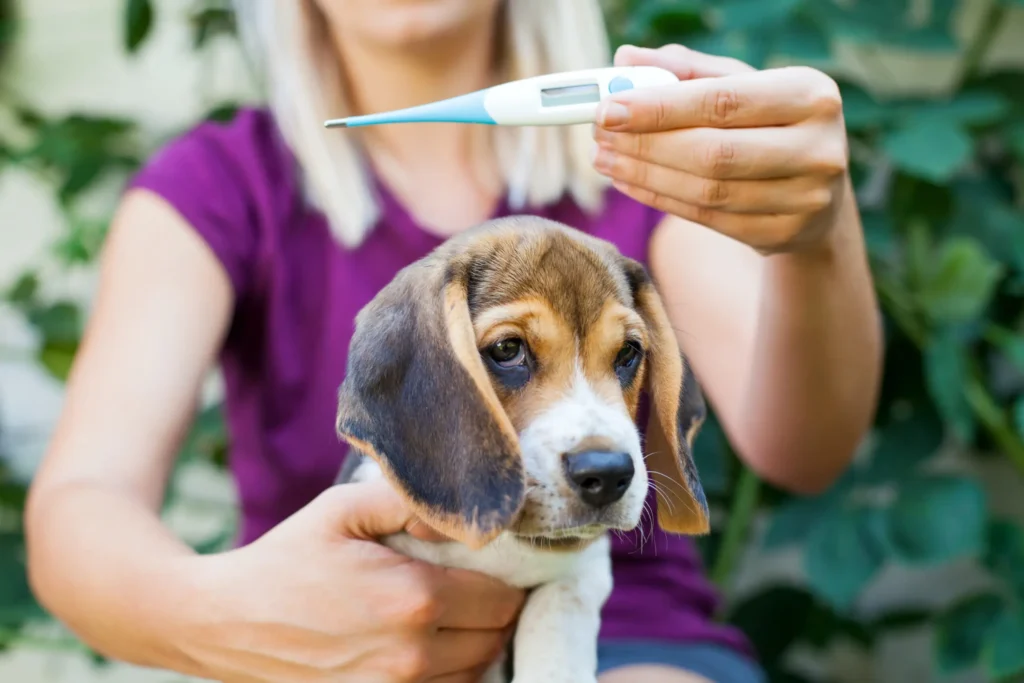
1. Does a Warm Body Mean a Fever? How to Tell Physiological Heat vs. Pathological Fever
Most pet owners judge fever by touching their pet’s ears, belly, or nose — this method is highly inaccurate and causes frequent misjudgments. A pet’s natural skin temperature is warmer than a human’s, and temporary temperature fluctuations often occur in daily scenarios. Many owners mistake normal physiological warmth for fever while overlooking hidden low-grade pathological fever. To ensure accurate judgment, it is essential to differentiate harmless physiological temperature elevation from dangerous pathological fever.
Physiological Temperature Rise (Normal & Harmless)
Pets may experience a temporary temperature increase of 0.3℃ to 0.8℃ after intense exercise, active play, sun exposure, bathing stress, unfamiliar environment anxiety, waking up, or emotional excitement. Accompanying signs include warm ears, faster breathing, and a hot body. However, the pet maintains normal energy, interactive willingness, appetite, and water intake. The temperature returns to normal within 15 to 30 minutes of rest. This is a regular physiological fluctuation and requires no treatment or cooling.
Pathological Fever (Requires Timely Intervention & Cause Investigation)
If your pet’s temperature remains elevated after 30 minutes of complete rest, accompanied by lethargy, sleepiness, reduced interaction, decreased appetite, abnormal water consumption, dry hot nose, rapid breathing, trembling, and weakness, your pet has a true pathological fever. This immune response fights internal viruses, bacteria, inflammation, and tissue damage. Fevers are graded by temperature, requiring targeted home care or immediate veterinary intervention based on severity.
2. Critical Mistakes Pet Owners Make When Treating Pet Fever
Worsening fever symptoms, recurrent fever, and secondary complications rarely stem from severe primary diseases. Most deteriorations are caused by incorrect home handling. These common owner errors are the leading causes of aggravated pet fever conditions:
Mistake 1: Judging fever by touch without actual temperature measurement. Skin warmth is unstable and easily affected by room temperature and pet activity. This leads to missed low-grade fever detection, overestimation of minor temperature changes, missed early intervention windows, and unnecessary over-treatment.
Mistake 2: Administering human fever reducers or cold medicine. Common human medications including ibuprofen, acetaminophen, and aspirin are extremely toxic to dogs and cats. Even tiny doses can cause liver and kidney failure, hemolysis, and sudden death, making this the most fatal fever care mistake.
Mistake 3: Aggressive physical cooling immediately after fever onset. Rinsing pets with cold water, applying ice packs directly to the body, or wetting and blow-drying the whole body causes pore contraction, stress trembling, and vasospasm. These actions block natural heat dissipation, raise internal organ temperature, and trigger convulsions or shock.
Mistake 4: Over-warming pets to “sweat out the fever”. Many owners believe fever requires extra warmth to promote recovery and dress feverish pets in clothes, cover them with blankets, or close ventilation. Unlike humans, dogs and cats cannot sweat through the skin for heat dissipation. Excessive warmth traps internal heat, spikes body temperature, and induces febrile convulsions.
Mistake 5: Stopping care and observation immediately after fever subsides. Owners often assume full recovery once temperature and energy return to normal. In fact, residual inflammation and viruses remain in the body, easily causing recurrent fever, chronic inflammation, canine distemper, parvovirus, and long-term respiratory diseases.
Mistake 6: Only reducing fever without investigating root causes. Fever is merely a symptom, not a disease itself. Blind fever reduction without checking for infections, inflammation, parasites, or vaccine reactions masks underlying illnesses and leads to persistent recurrent fever.
3. Short-Term Discomforts & Long-Term Hidden Risks of Low-Grade, High, and Recurrent Fever
Acute Short-Term Hazards
Mild low-grade fever causes laziness, reduced appetite, decreased interaction, increased water intake, dry nose, and slight sleepiness without life-threatening risks. Moderate fever leads to rapid breathing, accelerated heartbeat, hot body, limb weakness, red eye conjunctiva, persistent lethargy, and anorexia, triggering metabolic disorders and sharply reduced immunity. Severe high fever results in dehydration, muscle tremors, body shaking, convulsions, intracranial heat damage, arrhythmia, and hypotension. Without timely treatment, it causes shock, multiple organ failure, and sudden death, especially in young and senior pets.
Chronic Long-Term Hidden Hazards
Intermittent and recurrent low-grade fever indicates persistent internal inflammation or hidden infection. Long-term untreated fever damages liver and kidney metabolism, weakens the immune system, and increases susceptibility to recurrent respiratory infections, gastrointestinal disorders, and skin inflammation. In young pets, repeated fever stunts growth, damages the nervous system, and causes permanent aftereffects including convulsions, stress sensitivity, and chronic weakness. In senior pets, persistent fever accelerates organ aging and induces kidney disease, heart problems, and chronic respiratory conditions.
Additionally, continuous fever rapidly depletes bodily water and electrolytes. Combined with anorexia, it easily causes severe dehydration, electrolyte imbalance, and thrombosis, greatly increasing treatment difficulty and mortality risk.
4. Accurate At-Home Temperature Taking, Symptom Checks & Emergency Cooling Tips
Accurate temperature measurement paired with comprehensive symptom assessment is the core prerequisite for safe pet fever handling. All pet owners should master standardized at-home detection methods.
Standard Pet Temperature Reference (Measured After 30 Minutes of Complete Rest)
Normal Temperature: 37.5℃ – 39.2℃ Mild Low-Grade Fever: 39.3℃ – 39.8℃ (Suitable for home observation and care) Moderate Fever: 39.9℃ – 40.4℃ (Requires urgent home cooling intervention) Severe High Fever: Above 40.5℃ (Critical emergency — immediate vet visit required)
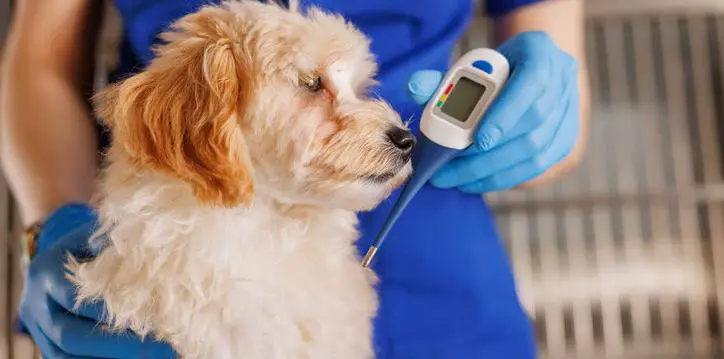
Most Accurate Method: Rectal Temperature (Veterinarian-Recommended Standard)
Prepare a pet-specific digital thermometer and apply lubricant to the probe. Gently insert the probe 1 to 2 centimeters into the pet’s rectum and hold steady for a stable reading. Keep the pet calm during measurement to avoid intestinal injury from struggling. Disinfect the thermometer after use. Armpit and ear temperature readings have large errors and only serve as casual references, not diagnostic bases.
Complete At-Home Fever Self-Check Checklist
Confirm exact body temperature; evaluate energy level and interactive response; check nose dryness and red, inflamed eye conjunctiva or excessive eye discharge; observe breathing speed and signs of coughing or sneezing; verify normal appetite, water intake, and defecation; screen for vomiting, diarrhea, abdominal distension, and body trembling.
Safe At-Home Emergency Cooling Methods (Only for Mild & Moderate Fever)
Open windows for ventilation and lower ambient room temperature; remove all clothes and blankets to maintain a cool, breathable environment. Wipe heat-dissipating areas including paw pads, belly, armpits, and inner ears with room-temperature water to promote natural heat loss. Provide small, frequent amounts of clean water or pet electrolyte water to prevent dehydration. Keep the pet in complete rest, avoiding running, outdoor activities, bathing, and stress stimulation. Recheck temperature every 30 minutes.
Immediate Vet Visit Criteria: Temperature over 40.5℃, persistent high fever unresponsive to cooling, convulsions, breathing difficulty, complete loss of appetite and thirst, vomiting and diarrhea, unconsciousness, and fever in puppies, kittens, or senior pets all require immediate veterinary emergency treatment.
5. How Age, Body Size & Physical Condition Affect Fever Danger Levels
Puppies & Kittens (Under 1 Year Old): Juvenile pets have immature temperature regulation and immune systems. Fever deteriorates extremely rapidly, with low-grade fever progressing to high fever within hours. Young pets face high risks of dehydration, convulsions, and viral outbreaks including parvovirus, canine distemper, and feline panleukopenia. They have minimal fever tolerance, and all pathological fevers require close monitoring and timely intervention.
Healthy Adult Pets (1–7 Years Old): Adult pets have stable physical conditions and strong temperature regulation. Most mild low-grade fevers caused by cold exposure, stress, or minor inflammation resolve quickly with home care. Moderate fever usually results from bacterial or viral infection requiring prompt treatment. Obese, weak, or immunocompromised adult pets have slower recovery and higher complication risks after fever.
Senior Pets (7+ Years Old): Aging pets have degenerated organ function, weakened immunity, and slow metabolism. Senior fever rarely stems from simple colds and usually indicates visceral inflammation, chronic disease, or internal infection. Senior fever develops silently and recovers slowly. Even low-grade fever can trigger pre-existing conditions and organ failure, making delayed home observation extremely dangerous for older pets.
Body Size Impact: Small breed dogs and cats have low body weight and weak temperature regulation. Their temperature spikes rapidly during fever, accompanied by fast dehydration and high convulsion/shock risks. Medium and large dog breeds have higher fever tolerance with mild impacts from low-grade fever, yet persistent high fever still causes severe irreversible visceral damage.
6. Fever Tolerance & High-Risk Differences Among Dog & Cat Breeds
Flat-Faced Brachycephalic Breeds (Ultra-High Risk): French Bulldogs, English Bulldogs, Pugs, Persians, and Exotic Shorthairs have shortened nasal structures with poor ventilation and heat dissipation. Fever easily causes breathing difficulty, oxygen deficiency, and hyperthermic convulsions. These breeds face far higher mortality risks at the same fever temperature and require priority cooling and intensive monitoring.
Small Sensitive Breeds (High Risk): Poodles, Bichons, Pomeranians, Chihuahuas, and small cat breeds have delicate constitutions and high stress sensitivity. Fever commonly causes mental collapse, complete appetite loss, and rapid dehydration, leading to longer recovery cycles and higher complication rates.
Large Working Breeds (Medium Risk): Golden Retrievers, Labradors, Border Collies, and Huskies have robust physical fitness and strong fever tolerance. Low-grade fever rarely causes obvious symptoms, yet high fever easily induces pulmonary inflammation and tachycardia. Severe panting during fever may lead to oxygen deficiency and shock.
Long-Haired Thick-Coated Breeds (High Hidden Risk): Ragdolls, Chinchillas, Samoyeds, and Old English Sheepdogs have dense fur that blocks external heat dissipation. Heat accumulates internally during fever with subtle surface symptoms, masking severe visceral hyperthermia and delaying critical treatment timing.

7. How Seasonal & Environmental Changes Influence Pet Body Temperature & Fever Risk
Spring: Unstable spring temperatures, revived bacteria and viruses, and high pollen levels create a peak season for pet respiratory infections and viral colds. Frequent temperature fluctuations cause repeated cold exposure and immune fluctuations, leading to recurrent low-grade fever accompanied by coughing and nasal discharge.
Summer: Hot, stuffy, poorly ventilated environments commonly cause heatstroke and hyperthermic fever with rapid temperature spikes. Summer high fever often comes with severe panting and oxygen deficiency, carrying the highest fatality rate. Active summer gastrointestinal bacteria also frequently trigger infection-based fever from gastroenteritis.
Autumn: Dry autumn air and widened day-night temperature differences dry and weaken pet respiratory mucosa, reducing disease resistance. Pets easily develop colds, dry coughs, and inflammation, causing persistent low-grade chronic inflammatory fever that often recurs stubbornly.
Winter: Large indoor-outdoor temperature gaps, improper warmth, and insufficient ventilation increase cold incidence. Stagnant indoor bacteria and weakened winter immunity frequently cause severe respiratory and pulmonary infections, resulting in persistent high fever and recurrent fever episodes.
Holiday gatherings, seasonal transition periods, incompletely dried fur after bathing, and direct air conditioning wind are the most common scenarios triggering sudden pet fever.
8. Control Tips for Cross-Infection & Group Fever in Multi-Pet Households
Fever in multi-pet households carries significant cross-infection risks. A single sick pet can transmit viruses and bacteria through respiratory droplets, direct contact, and shared bowls, water fountains, and litter boxes, causing collective colds, viral infections, and group fever. The core management principles are isolation, comprehensive disinfection, full-group monitoring, and targeted care.
Immediately isolate any feverish pet independently with separate feeding tools, water supplies, and litter equipment to eliminate physical contact and transmission pathways. Disinfect and ventilate living spaces, pet supplies, floors, and cages daily to reduce bacterial and viral proliferation.
Perform daily temperature checks and status observations for all pets, focusing on energy, appetite, breathing, and temperature changes to detect asymptomatic latent infections early. For mild group fever outbreaks, implement unified cooling, hydration, and rest care. Avoid outdoor activities and bathing to reduce stress, and screen for severe viral infectious diseases promptly.
9. Full Analysis: Core Causes of Pet Fever + Graded Treatment & Recovery Care Plans
Pet fever is a defensive immune response rather than a standalone illness. Root causes are categorized into environmental stress, common inflammation, pathogen infection, vaccine reaction, and chronic visceral disease. Accurate cause identification and graded treatment are key to fast recovery and preventing recurrence.
Five Core Causes of Pet Fever
Cause 1: Environmental & Stress-Induced Temperature Rise (Mild & Reversible)
Cold exposure, direct air conditioning wind, bathing stress, outdoor anxiety, stuffy environments, and over-exercise cause temporary temperature elevation without substantive infection. Proper home care delivers full recovery with no long-term aftereffects.
Cause 2: Common Inflammation & Simple Colds (Most Prevalent)
Respiratory colds, mild viral colds, skin inflammation, gingivitis, otitis, and minor gastrointestinal inflammation trigger immune responses, usually causing low to moderate fever with mild respiratory or digestive discomfort.
Cause 3: Viral, Bacterial & Parasitic Infections (High Risk)
Canine distemper, parvovirus, feline panleukopenia, feline herpesvirus, coronavirus, bacterial infections, and blood parasites are the leading causes of severe and recurrent fever. These acute high-risk conditions require professional veterinary diagnosis and targeted treatment.
Cause 4: Vaccine & Medication Reactions (Physiological Fever)
Some pets develop mild low-grade fever and slight lethargy within 1 to 2 days after vaccination. This is a normal immune response that resolves spontaneously without excessive intervention.
Cause 5: Chronic Visceral Disease-Induced Fever (Hidden High Risk)
Kidney disease, pancreatitis, pyometra, pneumonia, and visceral infections cause persistent recurrent fever with subtle surface symptoms but severe internal organ damage. Delayed treatment leads to fatal organ failure.
Graded Targeted Fever Treatment Plan
1. Mild Low-Grade Fever (39.3℃–39.8℃, Normal Energy): At-Home Rest & Observation
Maintain cool, well-ventilated living conditions. Suspend bathing, outdoor walks, and strenuous exercise. Ensure abundant clean water and offer small portions of light, digestible food. Apply gentle physical cooling on heat-dissipating areas and recheck temperature every 30 minutes for 24 consecutive hours. Most mild fevers resolve naturally. Avoid random medication and over-warming.
2. Moderate Fever (39.9℃–40.4℃, Lethargy): Emergency Cooling + Cause Investigation
Continue physical heat dissipation and sufficient hydration to prevent dehydration, and enforce strict rest. Investigate potential cold exposure, colds, inflammation, and gastrointestinal issues. Seek immediate veterinary blood tests and anti-inflammatory/antiviral treatment if fever rebounds or mental status continued declines.
3. Severe High Fever (Over 40.5℃, Obvious Symptoms): Immediate Veterinary Emergency Care
No safe effective home treatments exist for severe high fever. Delays cause convulsions, brain heat damage, and multi-organ failure. Rush your pet to a vet clinic for professional fever reduction, anti-inflammatory therapy, antiviral treatment, and intravenous fluid rehydration. Conduct comprehensive screening for infectious diseases and visceral illnesses to resolve the root cause.
Post-Fever At-Home Recovery Care Plan
Strict Rest Recovery: Keep pets resting at home for 3 to 5 days after fever resolution. Avoid bathing, outdoor activities, and intense exercise to prevent secondary cold exposure, stress, and recurrent fever.
Gentle Dietary Conditioning: Feed light, easily digestible, nutrient-rich meals. Stop greasy snacks and heavy-flavored supplementary foods to reduce gastrointestinal burden and accelerate physical recovery.
Hydration & Dehydration Prevention: Maintain constant fresh water supply. Supplement pet electrolyte water for lethargic or anorexic pets to balance bodily functions.
Continuous Condition Monitoring: Check temperature, energy, appetite, and defecation daily to ensure no recurrent fever or hidden persistent inflammation.
Long-Term Fever Prevention Strategy
1. Adjust warmth supplies during seasonal temperature changes; avoid direct air conditioning and cold wind exposure to prevent colds.
2. Complete regular vaccinations and internal/external deworming to enhance basic immunity and prevent pathogen-induced fever.
3. Maintain dry, ventilated living environments with regular disinfection to reduce bacterial and viral proliferation and infection risks.
4. Thoroughly dry pet fur (especially belly, armpits, and paw pads) after bathing to eliminate cold triggers from residual moisture.
5. Provide balanced daily nutrition and moderate exercise to strengthen physical fitness and reduce inflammation and cold incidence.
6. Arrange regular physical examinations to screen chronic visceral diseases and prevent recurrent fever from hidden underlying illnesses.
10. FAQs About Fever in Dogs and Cats
Q: Do warm ears and a hot body always mean a fever?
A: No. Exercise, stress, warm environments, and recent waking all cause temporary body warmth. Accurate fever diagnosis requires temperature measurement after 30 minutes of quiet rest combined with overall mental status evaluation.
Q: Can mild low-grade fever resolve naturally without vet visits?
A: Low-grade fever caused by simple stress or cold exposure with normal appetite and energy can be managed at home. Puppies, kittens, seniors, and pets with recurrent fever or accompanying cough/diarrhea require timely vet checks to avoid worsening conditions.
Q: Can I give my pet human fever-reducing medicine?
A: Absolutely not. Human fever medications are highly toxic to dogs and cats, potentially causing liver/kidney failure and fatal hemolysis. Only vet-prescribed pet-specific medications are safe for fever treatment.
Q: Can warming pets help resolve fever by “sweating it out”?
A: False. Dogs and cats cannot dissipate heat through skin sweat. Over-warming traps internal heat, spikes body temperature, and increases risks of high fever convulsions and shock.
Q: Can pets resume bathing and outdoor activities immediately after fever resolves?
A: No. Immunity remains weak post-fever. Early bathing and outdoor exposure easily cause secondary colds, stress, and recurrent illness. Allow 3 to 5 days of quiet recovery before resuming normal activities.
Q: Why does my pet have intermittent recurring fever?
A: Recurrent fever indicates unresolved root causes, including persistent internal inflammation, viral infection, or visceral disease. Simple fever reduction only relieves symptoms rather than curing the illness, requiring professional veterinary examination and targeted treatment.
Q: Is post-vaccination low-grade fever normal?
A: Yes, this is a normal immune reaction that resolves within 1 to 2 days. Only provide rest and sufficient water without medication. Seek vet care immediately for persistent high fever or severe lethargy.