Complete Postoperative Care Guide for Pets: How to Help Dogs and Cats Recover Safely

Many pet owners believe that successful surgery and stitch removal mean their pets have fully recovered. However, in veterinary clinical practice, a successful surgery only accounts for 50% of pet recovery, while the remaining 50% depends entirely on at-home postoperative care. Most common postoperative complications, including wound dehiscence, surgical site infection, inflammation, ulceration from licking, appetite loss, stress exhaustion, and postoperative fever, are rarely caused by surgical errors. Instead, they result from improper at-home management and misleading pet care misconceptions.
Whether your pet undergoes spaying and neutering, wound suturing, tumor removal, orthopedic surgery, gastrointestinal surgery, or minimally invasive treatment, the postoperative period is when their immune system is weakest and their body is most vulnerable. Incorrect warming, exercise control, feeding, and cleaning habits can lead to recurring wound inflammation and prolonged recovery in mild cases. In severe scenarios, they may trigger serious surgical site infections, excessive visceral organ burden, wound rupture and bleeding, or even life-threatening conditions. Based on standardized pet care structures and years of professional veterinary experience, this comprehensive guide helps pet parents avoid fatal postoperative mistakes, master scientific at-home care standards, identify dangerous recovery signs, and implement staged rehabilitation management. It covers all scenarios and age groups to help dogs and cats recover safely, quickly, and completely after surgery.
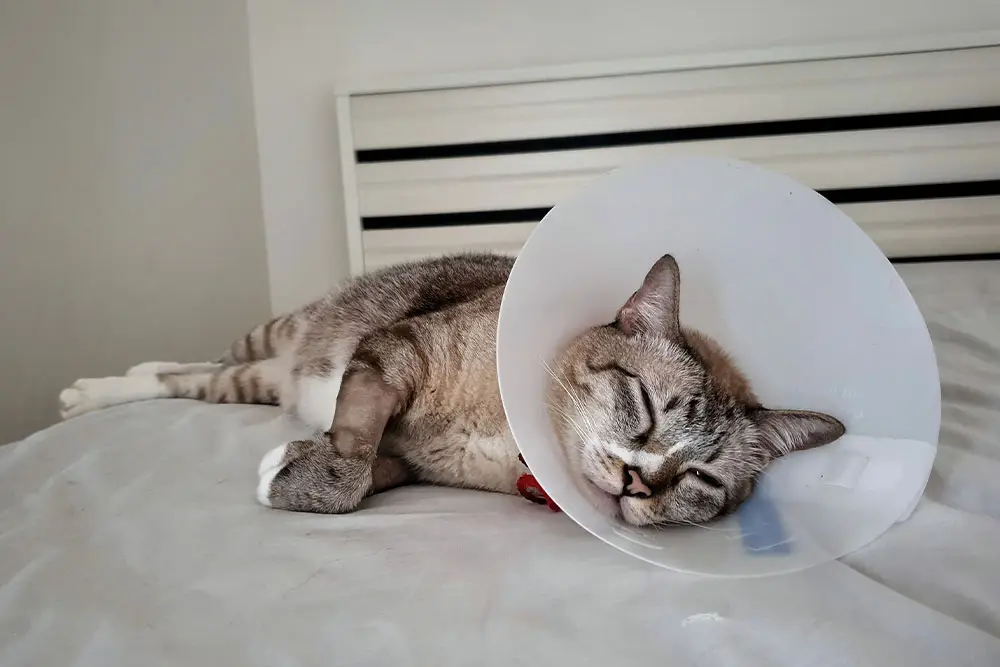
1. Does a Scab Mean Full Healing? Distinguish True Healing From Hidden Wound Infections
Most pet owners judge postoperative recovery solely by whether the surgical wound is scabbed and dry. This single evaluation method is highly inaccurate and easily overlooks critical hidden issues such as subcutaneous inflammation, latent infection, and unhealed internal tissues. A surface scab never guarantees complete deep-tissue repair. A seemingly intact wound may contain internal fluid accumulation, pus buildup, and inflammation, which can suddenly rupture and cause swelling or ulceration. For accurate scientific judgment, pet parents must differentiate superficial false healing from complete true healing.
False Healing (Intact Surface, High Hidden Risks)
The surgical wound appears closed with a complete scab and no obvious bleeding or exudate. Nevertheless, the pet shows persistent lethargy, reduced appetite, frequent wound licking, localized hot skin, and pain avoidance when the wound is touched. Lifting the scab edge reveals slight swelling, soft subcutaneous tissue, and fluctuating fluid buildup, often accompanied by low-grade fever and poor mental state. This condition features closed superficial skin but unhealed subcutaneous tissues with latent infections. Without timely treatment, it leads to postoperative abscesses and recurring secondary inflammation.
True Complete Healing (Safe & Stable, No Further Intervention Needed)
The wound forms a dry, firm scab with no surrounding redness, swelling, overheating, exudate, or foul odor. The pet shows no pain or avoidance when the wound is touched, with normal energy, appetite, water intake, and activity levels. There is no persistent low-grade fever, drowsiness, restlessness, or excessive licking behavior. Complete subcutaneous tissue adhesion and immune system stability confirm full wound recovery, allowing gradual removal of protective gear and a return to normal daily routines.
2. Fatal Postoperative Care Mistakes Most Pet Owners Make
Failed postoperative recovery, repeated vet visits, and high complication rates are rarely caused by surgical problems. The majority of recovery failures stem from common at-home care mistakes. Many well-intentioned owner behaviors actually delay healing and worsen postoperative conditions. All pet parents must avoid the following critical errors:
Mistake 1: Removing the Elizabeth collar immediately after scab formation. A scab only provides superficial protection, while subcutaneous tissues remain extremely fragile. Licking, scratching, and friction will directly tear newly grown granulation tissue, causing wound dehiscence, infection, and pus formation — the leading cause of secondary postoperative injuries.
Mistake 2: Over-supplementing nutrition with excessive canned food, nutritional paste, and meat. Postoperative pets have slow gastrointestinal peristalsis and weakened digestive function. Excessive rich nutrition severely burdens the digestive system and visceral organs, triggering vomiting, diarrhea, indigestion, and pancreatitis. This slows physical recovery and exacerbates postoperative inflammation.
Mistake 3: Strict long-term rest with zero physical activity. Prolonged inactivity and constant lying still reduce blood circulation, delay wound healing, cause muscle atrophy and blood clots, and lead to urine retention and slow metabolism. This significantly increases the risks of postoperative urinary crystals, stones, and hepatic and renal metabolic disorders.
Mistake 4: Skipping disinfection for dry-looking wounds. Bacteria are invisible to the naked eye, and surface dryness does not mean a bacteria-free wound. The broken postoperative skin barrier results in extremely low local immunity. Neglecting routine disinfection easily causes latent bacterial infections, leading to sudden swelling and suppuration days later.
Mistake 5: Bathing or cleaning the pet immediately after surgery. Before full wound closure and skin barrier repair, water exposure allows bacteria to invade the surgical site freely. Meanwhile, bathing-induced stress and cold exposure drastically weaken immunity, triggering postoperative fever, colds, and severe wound infections.
Mistake 6: Ignoring emotional stress and only focusing on physical wounds. Wearing an Elizabeth collar, restricted activity, and persistent surgical pain cause severe anxiety, depression, fear, and appetite loss in pets. Stress-induced immune decline is the main reason many pets experience poor postoperative health, rather than wound problems themselves.
Mistake 7: Stopping medication or removing stitches in advance. Many owners discontinue anti-inflammatory or pain-relief medication or remove stitches early once the surface wound looks healed. This leads to residual inflammation recurrence, insufficient wound tensile strength, and persistent unhealed inflammatory wounds.
3. Short-Term Complications & Long-Term Hidden Risks of Improper Postoperative Recovery
Acute Short-Term Postoperative Complications
Improper early postoperative care easily triggers various acute emergencies, including wound redness, swelling, bleeding, pus discharge, dehiscence, ulceration, and localized inflammation. Common systemic issues consist of high or low-grade postoperative fever, severe lethargy, complete appetite and water refusal, vomiting, and diarrhea. Pets may also suffer from extreme stress responses, rapid breathing, restlessness, and persistent trembling. Surgical pain disrupts normal rest and movement, causing limb stiffness and inability to bear weight. In severe cases, extensive wound infection, subcutaneous abscesses, sepsis, dehydration, and electrolyte imbalance can occur, posing direct life-threatening risks.
Long-Term Hidden Postoperative Risks
Incomplete recovery and poor postoperative care lead to permanent long-term aftereffects. These include recurring wound inflammation, stubborn scar hyperplasia, and subcutaneous tissue adhesion. Pets may develop persistent physical weakness and low immunity, resulting in frequent seasonal colds and inflammatory diseases. Improper orthopedic surgery recovery causes permanent lameness, uneven limb force bearing, and joint deformation. Poor spay and neuter aftercare often triggers endocrine disorders, obesity, and metabolic abnormalities. Long-term postoperative stress also leads to timid and sensitive personalities, unstable appetite, and chronic fragile gastrointestinal health.
Furthermore, improper prolonged rest and unbalanced postoperative diets cause slow hepatic and renal metabolism, abnormal blood lipids, and chronic urinary crystal and stone problems, greatly shortening pets’ healthy lifespan.
4. At-Home Postoperative Checkups, Wound Care & Emergency Handling Skills
The speed and quality of pet postoperative recovery depend entirely on daily detailed self-inspections and scientific standardized care. Mastering professional at-home examination protocols allows pet owners to detect abnormalities early, avoid risks, and ensure smooth and safe recovery.
Complete Daily At-Home Postoperative Checklist
Observe the surgical wound daily for redness, overheating, bleeding, pus, foul odor, scab shedding, and dehiscence; monitor body temperature to detect postoperative fever; evaluate mental state, activity level, and interactive response to identify severe stress; check appetite, water intake, urination, and defecation status; observe excessive wound licking, scratching, and rubbing behaviors; assess walking posture, limb weight bearing, and breathing stability.
Standardized At-Home Wound Care Process
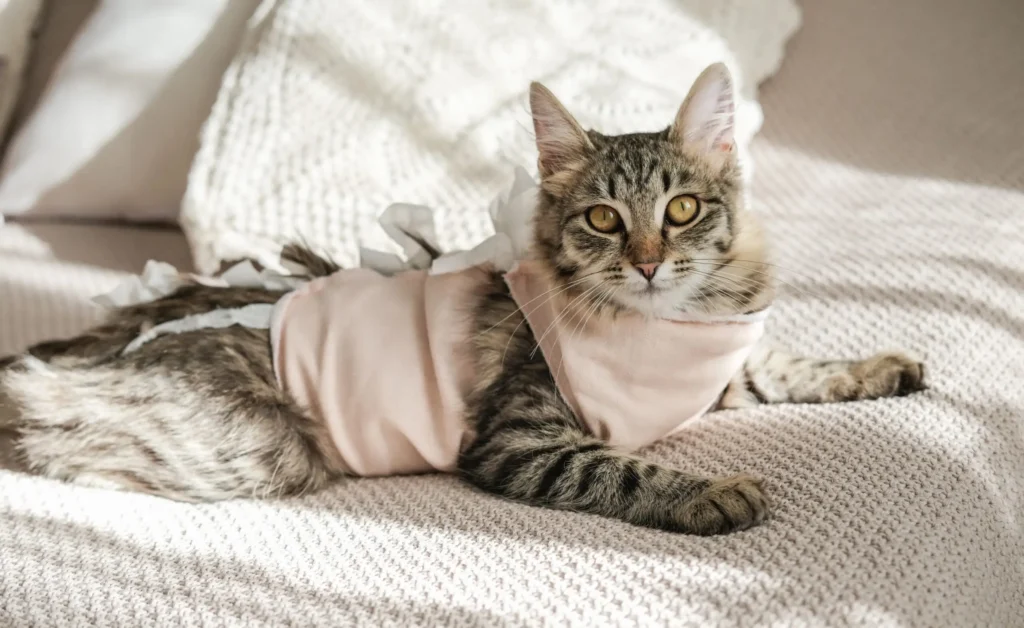
Maintain a clean, dry, well-ventilated living environment free from dust and pet hair to prevent wound contamination; perform daily professional pet-safe disinfection, clean wound secretions, and keep the surgical site dry at all times; ensure pets wear properly sized Elizabeth collars or surgical suits continuously to prevent licking and scratching; strictly prohibit jumping on beds or sofas, running, and strenuous twisting movements that pull the wound; keep surrounding fur clean to avoid hair coverage and bacterial growth on the wound surface.
Emergency Conditions Requiring Immediate Veterinary Visits
Seek instant re-examination and treatment if the wound shows heavy bleeding, dehiscence, massive pus discharge, or foul odor; if pets have persistent high fever, unconsciousness, or complete food and water refusal; if frequent vomiting, diarrhea, and severe dehydration occur; if breathing difficulty, convulsions, and trembling appear; if orthopedic surgery patients cannot bear weight or show severe limb swelling and deformation; or if pets refuse food and water for more than three consecutive days with rapid weight loss.
5. How Age, Size & Physical Condition Impact Pet Postoperative Recovery Speed & Risks
Juvenile Pets (Under 1 Year Old)
Puppies and kittens have fast metabolism and strong cell regeneration, enabling the fastest wound healing and shortest recovery cycles. However, young pets lack self-control and are extremely active, making them prone to strenuous movements that tear healing wounds. Their immature immune systems also lead to high risks of stress-induced appetite loss, postoperative low-grade fever, and gastrointestinal disorders. The primary juvenile postoperative risks are secondary wound damage and severe stress responses.
Adult Pets (1–7 Years Old)
Adult pets feature stable physical fitness, strong immunity, and normal metabolism, making them the most stable group for postoperative recovery. With proper care and avoided misconceptions, adult pets rarely develop complications or long-term sequelae. Obese and physically weak adult pets have significantly slower recovery speeds and higher complication risks.
Senior Pets (7+ Years Old)
Aging pets suffer from organ degeneration, slow metabolism, low immunity, and weakened cell repair abilities, resulting in drastically prolonged postoperative recovery cycles. Seniors face high risks of secondary infection, aggravated organ burden, recurrent chronic diseases, persistent fever, and appetite loss after surgery. They belong to the highest-risk postoperative group and require meticulous long-term professional care.
Body Size Differences
Small dogs and cats have low body weight and minimal wound tension, with less daily movement pulling on surgical sites, but they are prone to severe stress reactions. Medium and large dog breeds have high body weight and strong wound tension in abdominal and limb surgical areas. Standing, walking, and jumping easily tear healing wounds, causing dehiscence and delayed healing, requiring strict activity restriction after surgery.
6. Postoperative Tolerance & High-Risk Differences Among Dog & Cat Breeds
Brachycephalic Flat-Faced Breeds (Ultra-High Risk)
French Bulldogs, English Bulldogs, Pugs, Persians, and Exotic Shorthairs have shortened nasal structures and poor respiratory ventilation. They are highly susceptible to breathing difficulties, hypoxia, and suffocation during anesthesia recovery. These breeds experience extreme postoperative stress, frequent appetite refusal, irritability, and plummeting immunity, leading to far higher complication rates than other breeds and requiring full-time intensive monitoring.
Small Sensitive Breeds (High Risk)
Poodles, Bichons, Pomeranians, Chihuahuas, and small cat breeds have delicate constitutions and timid personalities with intense stress responses. Postoperatively, they often suffer from prolonged anorexia, depression, and trembling, with extended recovery cycles and high risks of secondary physical illnesses caused by stress.
Large Working Breeds (Medium Risk)
Golden Retrievers, Labradors, Border Collies, and Huskies are energetic and poorly self-controlled. Their biggest postoperative risk is strenuous exercise and jumping that tears wounds, causing dehiscence, bleeding, and inflammation. Strict activity range management is essential for these breeds.
Long-Haired Thick-Coated Breeds (High Hidden Risk)
Ragdolls, Chinchillas, Samoyeds, and Old English Sheepdogs have dense fur that easily covers surgical wounds, accumulates dust and bacteria, and conceals early infection signs. Owners often miss subtle swelling, exudate, and inflammation, leading to delayed treatment and aggravated hidden conditions.
7. How Seasonal Environmental Changes Affect Pet Postoperative Recovery & Adjustment Tips
Spring
Spring features unstable temperature differences, active bacteria and pollen, and humid air, creating ideal conditions for bacterial proliferation and allergic wound swelling. Surgically weakened pets with low immunity are highly prone to secondary colds and respiratory infections. Core care tips include maintaining dry, ventilated environments, regular disinfection, wind protection, and avoiding sudden temperature fluctuations.
Summer
Hot, stuffy, and humid summer weather is the peak season for wound infection, suppuration, and ulceration. High temperatures make pets irritable, restless, and prone to excessive wound licking, rapid breathing, and stress fatigue. Optimal summer care requires constant cool and constant temperature environments, avoiding heat exposure, maintaining absolute wound dryness, and timely cleaning of wound secretions to inhibit bacterial growth.
Autumn
Dry autumn air and widened day-night temperature differences weaken pet respiratory mucosa, increasing cold and cough risks for vulnerable postoperative pets. Dry air also causes wound tightness, scab cracking, and delayed healing. Key autumn adjustments include proper humidity maintenance, temperature difference protection, sufficient water supplementation, and avoiding direct cold wind stimulation to reduce physical stress.
Winter
Low winter temperatures slow pet blood circulation and wound cell repair, significantly extending recovery cycles. Postoperative pets easily suffer from coldness, trembling, low-grade fever, and lethargy. Winter care focuses on constant warm temperatures and balanced ventilation, avoiding low-temperature environments and over-closed stuffy spaces that cause moisture accumulation and bacterial growth.
Seasonal transition periods, direct air conditioning wind, cold window drafts, post-bathing cold exposure, and sudden environment changes are high-risk scenarios for poor postoperative recovery and complications and require strict prevention.
8. Isolation & Management Tips for Multi-Pet Households to Avoid Postoperative Interference
For multi-pet families, the biggest postoperative threats are not wound issues themselves, but companion fighting, licking, food competition, cross-infection, and chaotic living environments. Playing, colliding, and licking from healthy pets easily cause surgical wound dehiscence, infection, and aggravated stress in recovering pets. The core management principles are independent isolation, quiet rest, separate feeding, and full environmental sanitation.
Postoperative pets require independent isolated rest with separate cages, beds, food bowls, and water bowls to completely avoid physical contact, chasing, licking, and external wound pulling. The isolation area should be quiet, dim, and well-ventilated to prevent noise stimulation from worsening postoperative stress.
Daily disinfection and cleaning of isolated areas and pet supplies reduce bacterial growth and wound infection risks. Limit excessive approaching and interference from other pets to stabilize the recovering pet’s mood. Unified feeding management prevents food competition-induced excitement and strenuous activity. Gradually resume mixed breeding only after complete wound healing, protective gear removal, and full physical stability.
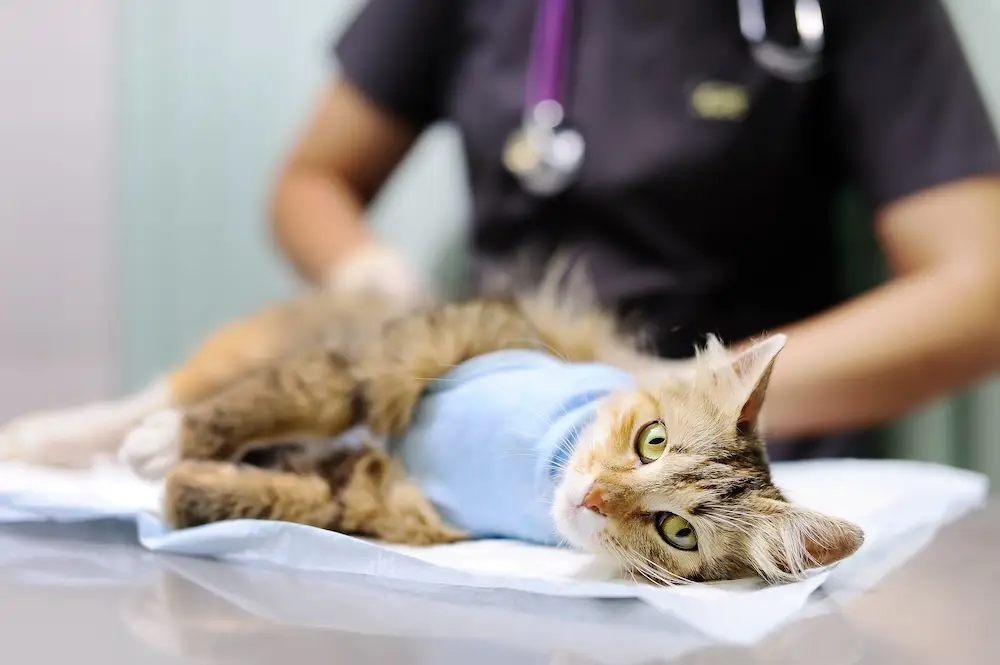
9. Full Analysis: Core Postoperative Recovery Challenges + Staged Care & Rehabilitation Plans
Pet postoperative recovery consists of three key stages: anesthesia recovery period, wound healing period, and consolidation rehabilitation period. Each stage features unique physical conditions, risk factors, and care priorities. Accurate staged nursing effectively avoids complications, shortens recovery cycles, and eliminates long-term sequelae.
Three Core Challenges of Pet Postoperative Recovery
Challenge 1: Superficial wounds heal fast, while deep tissues repair slowly
Surface scabs form within days, but subcutaneous muscles, fascia, blood vessels, and nerves require far longer repair time. Despite superficial recovery, deep tissues remain fragile and prone to secondary damage and subcutaneous fluid inflammation from minor pulling.
Challenge 2: Dual postoperative damage: physical trauma + psychological stress
Surgical wound pain, protective gear restriction, limited activity, and environmental changes trigger severe anxiety, depression, and fear. Stress-induced immune decline and appetite disorders seriously hinder overall recovery progress.
Challenge 3: Temporary metabolic and immune system collapse
Anesthetic drugs, surgical trauma, and persistent pain temporarily suppress pet metabolism and immune function. The first 1 to 2 weeks after surgery mark the lowest immune period, with high risks of secondary colds, inflammation, gastrointestinal diseases, and skin disorders that hinder recovery.
Staged Precision Postoperative Care & Rehabilitation Plan
Stage 1: Anesthesia Recovery Period (0–3 Days Post-Surgery · High-Risk Monitoring Stage)
Core goals: Ensure smooth anesthesia recovery, prevent suffocation, stress, wound bleeding, and gastrointestinal damage. Maintain constant temperature and absolute rest; strictly prohibit strenuous exercise, bathing, outdoor activities, and excessive nutrition supplementation. Provide small, frequent warm water servings and light, digestible liquid or semi-liquid food to reduce gastrointestinal burden. Keep protective collars or surgical suits on at all times; continuously monitor body temperature, mental state, breathing, and wound exudation; follow veterinary medication instructions strictly without arbitrary dosage changes or early drug cessation.
Stage 2: Rapid Wound Healing Period (4–14 Days Post-Surgery · Core Repair Stage)
Core goals: Promote wound repair, prevent infection, stabilize physical condition, and restore metabolism gradually. Adhere to daily standardized wound disinfection and keep the surgical site clean and dry; resume light regular diets with mild nutritional supplementation and avoid high-fat, heavy-flavored snacks. Allow slow short walks to boost blood circulation while prohibiting jumping, running, and climbing. Continuously monitor wound healing progress, attend scheduled stitch removal and recheck appointments, and screen for hidden subcutaneous inflammation.
Stage 3: Consolidation Rehabilitation Period (1–4 Weeks After Stitch Removal · Sequelae Prevention Stage)
Core goals: Repair physical fitness, eliminate hidden inflammation, restore stamina, and prevent long-term aftereffects. Avoid strenuous exercise temporarily after stitch removal to allow complete deep-tissue healing; resume normal diets and exercise gradually to regulate gastrointestinal and metabolic functions; strengthen environmental cleaning to improve immunity. Extend the rest period and implement gentle rehabilitation training for pets recovering from orthopedic and visceral surgery to prevent limb stiffness and functional degradation.
Detailed Postoperative Diet & Exercise Guidelines
Diet Principles: Light meals and frequent small portions with no excessive early supplementation in the early stage; balanced nutrition and gentle physical repair in the middle stage; regular diets and physical conditioning in the late recovery stage. Avoid high-fat and high-protein over-supplementation within the first postoperative week to prevent gastrointestinal burden and aggravated inflammation.
Exercise Principles: Complete rest during anesthesia recovery; mild walking and moderate activity during wound healing; gradual exercise recovery in the rehabilitation stage. Strictly avoid intense jumping, climbing, and sprinting in the early recovery phase and adjust exercise intensity according to surgery types.
Long-Term Postoperative Maintenance & Prevention Plan
1. Avoid bathing, outdoor activities, pet boarding, and environmental changes within 1 month after surgery to eliminate all stress triggers.
2. Complete full veterinary-prescribed medication courses without early cessation or arbitrary dosage adjustment.
3. Maintain a dry, ventilated, and clean living environment with regular disinfection to prevent wound bacterial infection.
4. Adjust indoor temperature and humidity seasonally to avoid stimulation from temperature differences, cold wind, and stuffy heat.
5. Gradually increase exercise volume and balance daily nutrition after recovery to enhance physical fitness and prevent recurrent postoperative weakness and illness.
6. Arrange regular reexaminations for senior pets and pets undergoing major or orthopedic surgery to screen hidden visceral and joint problems.
10. FAQs About Postoperative Recovery in Dogs and Cats
Q: Is lethargy and excessive sleeping normal for pets after surgery?
A: Postoperative anesthetic metabolism, surgical pain, and stress all cause temporary drowsiness and fatigue, which belong to normal recovery reactions. No intervention is needed if breathing, temperature, eating, drinking, and wound conditions remain normal. Seek immediate veterinary help if your pet stays unconscious or refuses all food and water for over three days.
Q: Can I remove the Elizabeth collar once a scab forms?
A: No. Surface scabs do not represent complete healing, as subcutaneous tissues remain fragile. Licking will easily cause dehiscence and secondary infection. Keep the protective collar until stitches are fully removed and the wound achieves complete flat healing before gradual removal.
Q: Do pets need large amounts of nutritional paste and canned food after surgery?
A: No. Postoperative gastrointestinal fragility makes over-supplementation likely to cause indigestion, vomiting, diarrhea, and pancreatitis. Stick to light, digestible food in the early stage and supplement nutrition gradually during the rehabilitation period for gentle physical conditioning.
Q: When can pets bathe and resume outdoor play after surgery?
A: Bathing is recommended only after complete wound healing and 7–10 days post stitch removal with full physical stability. Outdoor activities should be gradually resumed 1 month after surgery to avoid early stress, cold exposure, and strenuous exercise that disrupt recovery.
Q: Are mild low-grade fever and dry noses normal after surgery?
A: Slight low-grade fever and dry noses within 1–2 days post-surgery are normal immune responses. Persistent high fever, extreme lethargy, wound swelling and pus, vomiting, or diarrhea indicate abnormal infection and require prompt reexamination.
Q: Can multi-pet households keep normal mixed breeding after surgery?
A: Not recommended. Playing, licking, and food competition among healthy pets easily cause wound damage and aggravated stress in recovering pets. Independent isolation is mandatory during the high-risk recovery stage before resuming mixed contact.
Q: Is lameness and unwillingness to bear weight normal after orthopedic surgery?
A: Short-term lameness caused by postoperative pain and swelling is normal and will improve with recovery. Immediate recheck is required for persistent inability to bear weight, severe limb swelling, and complete loss of limb strength.