Persistent Soft Stool in Dogs and Cats: Diet Issues and Gastrointestinal Disease Checklist

Most pet owners have encountered a confusing and frustrating issue: their dogs and cats show normal energy, appetite, and no severe diarrhea or vomiting, yet they consistently pass soft, unformed, sticky, and messy stool for weeks or even months. Many caregivers dismiss this problem as a minor issue caused by overly rich food or temporary stomach upset, attempting quick fixes such as switching pet food or feeding probiotics without deeper investigation.
However, in professional veterinary practice, persistent long-term soft stool is a critical warning sign of gastrointestinal sub-health, chronic intestinal inflammation, and hidden underlying diseases. Occasional soft stool triggered by temporary diet changes or mild stress usually resolves within 1 to 3 days with simple home care. In contrast, recurring soft stool lasting more than 7 days is never a trivial problem. If left unaddressed, it leads to poor nutrient absorption, weight loss, weakened immunity, recurrent skin inflammation, severe tear stains, and stubborn chronic conditions including chronic gastroenteritis, permanent gut flora imbalance, pancreatic disorders, and parasitic infections. Following a standardized veterinary structure, this comprehensive guide helps pet parents distinguish diet-induced soft stool from pathological gastrointestinal diseases, avoid common care mistakes, and implement scientific conditioning and treatment solutions for long-term soft stool issues.
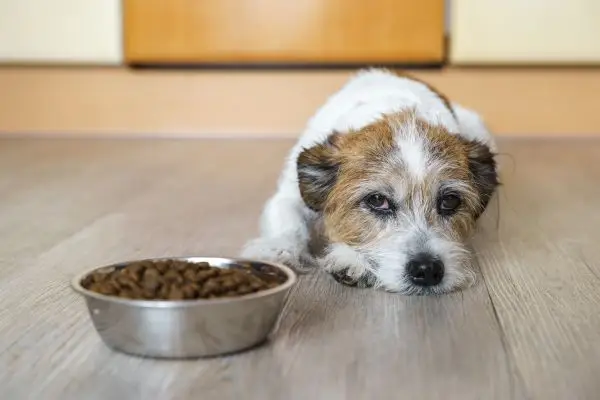
1. Does Soft Stool Mean Illness? Differentiate Physiological Stool From Pathological Persistent Soft Stool
Most pet owners cannot tell the difference between harmless soft stool and pathological soft stool, leading to two extreme behaviors: excessive anxiety with frequent food and medication changes, or complete neglect of ongoing gastrointestinal abnormalities. Occasional slightly soft stool does not indicate sickness, but long-term unformed, sticky, and mushy feces clearly signal damaged intestinal health. Accurate differentiation between physiological and pathological soft stool is the foundation of scientific pet gut care.
Physiological Soft Stool (Normal, No Aggressive Intervention Needed)
This type of soft stool occurs occasionally and lasts no more than 3 days. Common triggers include food transition periods, overeating, accidental snack intake, short-term environmental stress, and anxiety from bathing or outdoor trips. The stool remains mostly shaped, slightly soft, non-sticky, odorless, and follows a regular defecation schedule. Affected pets maintain high energy, normal appetite, no abdominal pain or curling posture, no excessive flatulence, and clean anal areas. This condition heals quickly with proper rest and mild diet control without recurrence.
Pathological Persistent Soft Stool (Gut Damage, Targeted Intervention Required)
Soft stool that persists for over 7 days or recurs intermittently for half a month or longer is a typical pathological gastrointestinal abnormality. Key symptoms include continuously unformed, pasty, muddy stool that sticks to floors and anal fur, abnormal stool colors (pale yellow, grayish white, black), foul fishy odor, and increased defecation frequency. Pets often display hidden sub-health signs: eating well but failing to gain weight, lean body shape, dull and rough fur, frequent flatulence, occasional retching, empty-stomach nausea, easy fatigue, and seasonal recurrent soft stool. This condition stems from gut flora imbalance, damaged intestinal mucosa, or internal diseases, and cannot be completely cured by probiotics alone.
2. Most Common Harmful Mistakes in Managing Pets’ Long-Term Soft Stool
Chronic recurring soft stool in pets is rarely caused by innate sensitive digestion. In most cases, it develops from long-term improper feeding and incorrect home care. Many well-intentioned daily care practices continuously damage the intestinal tract, turning mild digestive upset into stubborn chronic gastrointestinal problems. Pet parents must avoid the following critical mistakes:
Mistake 1: Frequently switching pet food to fix soft stool. Frequent staple food changes continuously irritate the intestinal mucosa and disrupt gut adaptation, reducing digestive stability over time. This creates a vicious cycle where pets develop soft stool with every food transition and fail to recover even with fixed food.
Mistake 2: Relying solely on probiotics without investigating root causes. Probiotics only work for temporary flora imbalance and mild dietary digestive upset. For soft stool caused by parasites, intestinal inflammation, pancreatic issues, or food allergies, blind probiotic use masks underlying conditions and develops into chronic gastroenteritis.
Mistake 3: Fasting pets to “rest the stomach”. Short-term mild fasting relieves indigestion-induced soft stool, but prolonged starvation and excessive food restriction disrupt intestinal peristalsis, trigger excessive gastric acid secretion, damage gastric mucosa, and cause chronic gut sensitivity and empty-stomach nausea, worsening long-term soft stool.
Mistake 4: Feeding overly light and low-fat diets long-term. Many owners assume soft stool results from rich food and switch to single, bland, low-fat meals for months. This leads to degenerative digestive function and poor intestinal adaptability, making pets prone to soft stool even with normal regular food.
Mistake 5: Excessive feeding of snacks, canned food, freeze-dried treats, and human food. High oil, high salt, artificial additives, and excessive protein severely burden pet digestive systems. Long-term overconsumption irritates the intestinal tract continuously, causing chronic soft stool and increasing risks of obesity and pancreatitis.
Mistake 6: Skipping regular deworming for indoor pets. Internal parasites are one of the leading hidden causes of persistent soft stool. Parasite eggs and adults damage intestinal mucosa, consume nutrients, and trigger chronic intestinal irritation, leading to recurring soft stool, weight loss, and poor coat quality in indoor pets with no outdoor exposure.
Mistake 7: Stopping treatment and conditioning immediately after stool improves. Most owners discontinue probiotics, gastrointestinal medications, and diet control once stool forms normally. At this stage, the intestinal mucosa remains unhealed and gut flora unstable, resulting in rapid relapse and intractable recurrent soft stool.
3. Hidden Health Risks of Temporary Gastrointestinal Upsets and Chronic Soft Stool
Risks of Short-Term Acute Digestive Upsets
Temporary soft stool usually stems from overeating, cold stimulation, stress, or occasional improper feeding, with no long-term sequelae if treated promptly. However, untreated mild digestive issues can deteriorate rapidly into acute symptoms including watery diarrhea, frequent defecation, bloody stool, vomiting, abdominal distension and pain, lethargy, appetite and water refusal, and dehydration. These conditions trigger acute gastroenteritis and complete gut flora collapse, severely damaging pets’ physical health in a short time.
Long-Term Hidden Dangers of Persistent Soft Stool
Chronic soft stool is a slow-consuming sub-health condition that gradually undermines pets’ physical fitness. First, impaired nutrient absorption leads to failure to gain weight despite normal eating, lean body frame, and visible rib coverage. Second, chronic intestinal inflammation suppresses immune function, making pets susceptible to seasonal colds, recurrent skin allergies and dermatitis, and severe tear stains and eye discharge.
Long-term mucosal damage gradually develops into chronic gastroenteritis, irritable bowel syndrome, and permanent gut sensitivity, where minor changes in environment, food, or temperature immediately trigger soft stool and diarrhea. Accumulated intestinal toxins and metabolic disorders increase hepatic and renal metabolic burden, causing bad breath, body odor, and excessive flatulence. In severe cases, persistent digestive abnormalities induce intractable conditions such as pancreatitis, food intolerance, and chronic diarrhea, greatly increasing treatment difficulty.
4. At-Home Diagnosis Checklist, Daily Feeding Care, and Emergency Handling Guidelines
The fundamental principle of curing persistent soft stool is diagnosis first, then targeted care and conditioning. Pet parents can accurately distinguish dietary, flora-related, and pathological digestive problems with standardized at-home inspection procedures.
Complete At-Home Soft Stool Diagnosis Checklist
Observe stool conditions: shape (pasty/muddy/unformed), color (golden yellow/pale gray/black), odor (normal/fishy/rotten), stickiness to floors and fur, and presence of blood or mucus; record soft stool duration and recurrence frequency; review recent diet changes including food switching, excessive snacks, greasy meals, and unclean drinking water; monitor pet energy, appetite, activity level, abdominal distension, retching, and flatulence; check living conditions for cold exposure, stress, messy environments, and poor rest; confirm recent deworming, vaccination, and physical examination records.
Standardized Daily Gastrointestinal Care Routine
Maintain a fixed staple food and avoid frequent switching; follow a 7–10 day gradual transition method if food changes are necessary; feed at fixed times with controlled portions to prevent overeating and free-choice unlimited feeding; eliminate high-fat, high-salt snacks, human food, and low-quality supplementary meals completely; provide clean, fresh drinking water daily and avoid ice water and contaminated water irritation; keep living environments dry and warm to prevent abdominal cold exposure and direct floor sleeping; adhere to regular internal and external deworming to eliminate parasitic intestinal damage; use pet-specific probiotics daily to stabilize intestinal flora.
Emergency Symptoms Requiring Immediate Veterinary Care
Seek urgent medical treatment if soft stool is accompanied by watery diarrhea, bloody stool, white mucus, or rotten fishy odor; persistent vomiting, complete appetite and water refusal, and extreme lethargy; abdominal pain, guarding behavior, and continuous bloating; more than four defecations per day with severe dehydration, dry nose, and sunken eye sockets; persistent soft stool with weight loss in puppies, kittens, and senior pets; no improvement or worsening symptoms after one week of standardized home conditioning. These cases require immediate fecal testing, blood work, and pancreatic function screening.
5. How Age, Body Size, and Physical Condition Affect Pet Gut Health and Soft Stool Risks
Juvenile Pets (Under 1 Year Old)
Puppies and kittens have immature digestive systems, unstable gut flora, delicate intestinal mucosa, and weak digestive capacity, making them the highest-risk group for persistent soft stool. Food transitions, excessive snacks, cold exposure, stress, and irregular deworming easily cause continuous digestive disorders. Improper care during growth stages leads to lifelong gut sensitivity and recurrent gastrointestinal problems.
Adult Pets (1–7 Years Old)
Adult pets have stable physical fitness and mature digestive function, with rare long-term soft stool under scientific feeding. Persistent soft stool in adult dogs and cats is unrelated to developmental issues and mostly stems from long-term improper feeding, chronic inflammation, parasitic infections, food intolerance, or hidden visceral diseases, requiring targeted etiological investigation rather than simple conditioning.
Senior Pets (7+ Years Old)
Aging pets experience declined gastrointestinal metabolism, reduced digestive enzyme secretion, weakened intestinal absorption, and impaired liver, kidney, and pancreatic function. Senior persistent soft stool mostly results from organ degeneration and chronic visceral diseases rather than minor stomach upset. Delayed treatment causes rapid weight loss, organ failure, and immune collapse, demanding refined daily care and regular physical examinations.
Body Size and Physical Condition Differences
Small breed pets have tiny gastrointestinal capacity and low digestive tolerance, making them extremely sensitive to dietary and environmental changes with high soft stool recurrence rates. Medium and large breeds have stronger digestive power but larger appetites, prone to overeating and indigestion. Long-term high-fat, high-nutrient feeding easily causes bloating soft stool and pancreatic burden disorders. Weak, picky, and low-immunity pets have poor gut self-repair ability, leading to slow recovery and frequent soft stool relapse.
6. Gastrointestinal Tolerance and High-Risk Soft Stool Tendencies Across Pet Breeds
Ultra-Sensitive Gut Breeds (Extremely High Risk)
Ragdolls, British Shorthairs, Blue Cats, Poodles, Bichon Frises, and Pomeranians are genetically predisposed to fragile gastrointestinal systems and unstable gut flora, known as “glass gut” breeds. They develop soft stool easily from food switching, overeating, cold exposure, and stress. Unregulated daily feeding inevitably causes chronic recurrent soft stool, requiring long-term mild and stable dietary management.
Indigestion and Pancreatic-Sensitive Breeds (High Risk)
French Bulldogs, English Bulldogs, Pugs, and Corgis have vigorous appetites with no self-control overeating behavior. Their unique body structure leads to slow intestinal peristalsis and weak metabolism. Long-term overfeeding causes indigestion soft stool, abnormal fat metabolism, and recurrent gastrointestinal and pancreatic inflammation, usually accompanied by bloating and foul-smelling stool.
Physically Robust Breeds (Moderate Risk)
Golden Retrievers, Labradors, Border Collies, and native mixed breeds have strong gastrointestinal tolerance and environmental adaptability, with rare spontaneous long-term soft stool. Persistent digestive issues in these breeds mostly indicate pathological problems including parasitic infections, viral inflammation, visceral lesions, and accumulated dietary toxins, requiring thorough disease screening.
Long-Coat Breeds (Hidden Risk)
Samoyeds, Old English Sheepdogs, and Chinchilla cats ingest large amounts of loose hair during grooming, forming intestinal hairballs that continuously irritate the digestive tract. This causes recurrent soft stool and irregular defecation. Many pet parents overlook hairball irritation, resulting in intractable long-term soft stool that fails to improve with simple dietary adjustments.

7. Seasonal Environmental Impacts on Pet Digestion and Adjustment Tips for Seasonal Soft Stool
Spring
Fluctuating temperatures, high humidity, and revived bacteria and parasite eggs destabilize pet gastrointestinal activity. Increased shedding and hair ingestion further irritate the gut, causing seasonal soft stool. Active spring viruses and bacteria also raise secondary intestinal infection risks. Core care tips: maintain dry and ventilated living spaces, adhere to regular deworming, avoid cold and damp food, prevent morning and evening cold wind stimulation, and keep staple food unchanged.
Summer
High temperature and stuffy environments slow intestinal peristalsis, reduce digestive enzyme secretion, and disrupt pet metabolism. Pet food, snacks, and canned products spoil easily in hot weather, and bacterial contamination triggers persistent intestinal irritation, recurrent gastroenteritis, and long-term soft stool. Core care tips: feed fresh meals with no leftover food overnight, avoid ice water and cold treats, control snack intake, and prevent intestinal heat stagnation from high-temperature environments.
Autumn
Dry air and extreme day-night temperature differences make autumn the peak season for pet gut sensitivity. Alternating hot and cold temperatures irritate intestinal mucosa and reduce digestive resistance, causing soft stool even in previously healthy pets. Increased autumn shedding worsens hairball accumulation and intestinal burden. Core care tips: prevent temperature difference stimulation, keep pets’ abdomens warm, feed moderate hairball relief products, maintain light diets, and reduce intestinal irritation.
Winter
Low temperatures significantly slow gastrointestinal peristalsis and digestive capacity. Reduced winter exercise and slow metabolism easily cause indigestion and food stagnation. Excessive high-calorie and high-fat winter feeding greatly burdens the gut and pancreas, leading to exclusive winter soft stool issues. Core care tips: avoid over-nutrition supplementation, adopt small and frequent meals, encourage moderate exercise, and prevent abdominal cold exposure from floor sleeping to stabilize digestive metabolism.
Seasonal transition periods, direct air conditioning wind, floor cold stimulation, spoiled food, unclean drinking water, and sudden environment changes are the top triggers of recurrent chronic soft stool and require strict daily prevention.
8. Management Tips for Multi-Pet Households: Prevent Cross-Infection and Group Digestive Disorders
Most collective soft stool issues in multi-pet households stem from disordered feeding, cross-contact transmission, parasitic cross-infection, and unsanitary living environments, rather than individual gut problems. Untreated soft stool in one pet quickly spreads to other household companions, forming a vicious cycle of recurrent group digestive disorders. Core management principles: separate feeding, independent supplies, environmental disinfection, and full-group health screening.
Implement fixed-point independent feeding with separate food and water bowls to prevent food competition, mixed eating, and sneaking snacks, which cause uneven intake and indigestion soft stool. Equip each pet with exclusive beds and daily supplies to block bacterial and parasitic cross-transmission.
Clean feeding utensils, replace drinking water, and remove leftover food daily; regularly disinfect living areas, floor corners, and pet toilets to eliminate bacterial breeding grounds. If one pet develops persistent soft stool, conduct unified full-group deworming and gut flora conditioning to eliminate latent infection. Standardize consistent light feeding for all pets, prohibit differential random snack feeding, and completely cut off group soft stool triggers.
9. In-Depth Analysis: Core Causes of Persistent Soft Stool + Dietary Conditioning & Disease Treatment Plans
Long-term pet soft stool falls into two major categories: diet-induced soft stool (non-pathological) and disease-induced soft stool (requires medical treatment). Misjudging these two categories leads to blind prolonged conditioning or excessive medical intervention, resulting in intractable recurrent symptoms. This chapter fully analyzes root causes and provides staged scientific conditioning and treatment solutions.
Five Core Causes of Persistent Pet Soft Stool
Cause 1: Long-Term Improper Feeding (80% of Cases)
Frequent food switching, excessive snacks, high-oil high-salt diets, irregular overeating, spoiled food, unclean drinking water, and unbalanced nutrition continuously irritate the intestinal tract, causing gut flora disorder and declined digestive function. This non-organic soft stool can be completely recovered through standardized feeding adjustments.
Cause 2: Gut Flora Imbalance and Intestinal Sensitivity
Innate fragile digestion, long-term stress, cold stimulation, and irregular routines reduce beneficial intestinal bacteria and proliferate harmful bacteria, keeping the intestinal mucosa in a state of mild edema and high sensitivity. Minor external stimulation triggers soft stool, belonging to typical chronic gastrointestinal sub-health.
Cause 3: Internal Parasitic Infections (Easily Overlooked)
Roundworms, tapeworms, coccidia, giardia, and other parasites parasitize the intestinal tract long-term, damaging mucosa, consuming nutrients, and triggering chronic intestinal inflammation. Typical symptoms include normal energy and appetite with persistent soft stool, weight loss, poor coat quality, and occasional mucus stool, which cannot be improved by conventional probiotic conditioning.
Cause 4: Food Intolerance and Chronic Allergies
Long-term intake of allergenic ingredients such as chicken, beef, grains, and dairy products causes persistent chronic intestinal inflammation, leading to recurrent soft stool, foul-smelling feces, itchy skin, and excessive shedding. This condition cannot be cured without replacing allergenic staple food.
Cause 5: Organic Gastrointestinal and Visceral Diseases (High Risk)
Chronic gastroenteritis, colitis, pancreatic insufficiency, hepatic and renal metabolic disorders, and mild viral infections all present persistent soft stool as the primary symptom, accompanied by weight loss, fatigue, and persistent bad breath. These pathological conditions require professional veterinary examination and targeted treatment, with no effect from simple home conditioning.
Staged Precision Conditioning and Treatment Plan
Stage 1: Emergency Stabilization Phase (1–7 Days · Fix Stool Abnormalities)
Core goals: stop intestinal irritation, form normal stool, and relieve mucosal edema. Suspend all snacks, canned food, freeze-dried treats, and nutritional supplements, retaining only a single staple food; reduce feeding portions by 20%–30% with small frequent meals to lower gut burden; supplement pet-specific probiotics daily to repair flora; ensure abdominal warmth and avoid cold stimulation, stress, and excessive outdoor activities; record daily stool changes and screen for dietary triggers.
Stage 2: Root Repair Phase (7–30 Days · Heal Intestinal Mucosa)
Core goals: repair damaged intestinal mucosa, restore digestive stability, and prevent recurrence. Maintain fixed staple food without ingredient changes; continue regular probiotic supplementation to consolidate flora balance; complete full-course internal deworming to eliminate parasitic risks; switch to low-single-protein hypoallergenic food if food intolerance is suspected; adhere to stable light diets and avoid rich or irritating meals.
Stage 3: Disease Screening and Treatment Phase (For Intractable Cases With No Conditioning Effect)
Core goals: identify pathological causes and implement targeted treatment. Seek veterinary examinations including fecal testing, blood work, pancreatic function tests, and allergen screening if no improvement after one month of standardized home care; follow professional medication guidance for confirmed inflammation, giardia, coccidia, pancreatic abnormalities, or visceral lesions; transfer to long-term gut maintenance after complete recovery to prevent relapse.
Long-Term Gut Maintenance and Prevention Strategy
1. Maintain fixed hypoallergenic staple food with high-quality balanced protein, avoiding frequent food switching and random supplementary meals.
2. Adhere to fixed-time quantitative feeding, eliminate overeating and free unlimited feeding, and develop regular digestive routines.
3. Implement year-round regular internal and external deworming: monthly deworming for juveniles and quarterly deworming for adults to eliminate parasitic hidden dangers.
4. Protect pets from seasonal temperature differences, abdominal cold exposure, floor chill, and ice water stimulation all year round.
5. Reserve pet-specific probiotics for proactive conditioning during season transitions, food changes, outdoor trips, post-surgery recovery, and stress periods.
6. Avoid spoiled, overnight, high-oil high-salt human food to eliminate intestinal irritation sources fundamentally.
7. Arrange regular gastrointestinal examinations for pets with recurrent soft stool to screen chronic inflammation and visceral hidden lesions.
10. FAQs About Long-Term Soft Stool in Dogs and Cats
Q: My pet has normal energy and appetite but persistent soft stool. Is intervention necessary?
A: Yes, mandatory intervention is required. Normal mental state and appetite only rule out acute severe diseases. Persistent soft stool indicates poor nutrient absorption, mucosal damage, and flora imbalance. Long-term neglect leads to chronic gastroenteritis, declining physical fitness, and frequent illnesses, belonging to progressive sub-health that requires early conditioning for complete recovery.
Q: Can long-term probiotic supplementation completely cure pet soft stool?
A: It depends on the root cause. Soft stool caused by improper diet, mild stress, and flora imbalance can be cured with persistent probiotic conditioning. However, soft stool triggered by parasites, food allergies, visceral diseases, and chronic inflammation can only be temporarily relieved by probiotics, requiring targeted treatment and dietary adjustment for radical recovery.
Q: Do pets with persistent soft stool need to switch to hypoallergenic pet food?
A: Not necessarily. First standardize feeding habits and complete deworming. If soft stool still recurs after standardized diet control and conditioning, food intolerance is highly suspected, and you can switch to hypoallergenic single-protein staple food. Blind frequent food switching will further damage fragile intestines.
Q: Are small frequent meals and slight underfeeding better for pets with soft stool?
A: Moderate portion reduction and small frequent meals effectively reduce gut burden and promote recovery. However, long-term excessive hunger causes degenerative digestive function and gastric acid disorders, worsening chronic gut sensitivity. Moderate, light, and regular feeding is the core of recovery.
Q: Do all pets in multi-pet households need isolation if one has soft stool?
A: Full isolation is unnecessary, but separate feeding, independent supplies, full-group deworming, and unified light diets are mandatory. These measures prevent cross-infection and dietary disorder, avoiding widespread recurrent soft stool among household pets.
Q: Is seasonal soft stool caused by poor physical fitness or illness?
A: It reflects poor gastrointestinal stability and mucosal sensitivity accumulated from long-term improper care. It is not an acute severe disease but typical chronic gut sub-health. Persistent seasonal protection, regular conditioning, and stable diet management can completely resolve seasonal recurrent soft stool.
Q: What does soft stool with mucus and slight fishy odor indicate?
A: This symptom mostly signals chronic intestinal inflammation, giardia, or coccidia infection, belonging to pathological soft stool that cannot be improved by simple home conditioning. It is recommended to conduct professional fecal testing and targeted medication as soon as possible to prevent aggravated inflammation and intractable recurrence.