Are Pale Gums Normal in Cats? An In-Depth Guide to Anemia and Hidden Health Issues

Most cat owners rarely check their cat’s gum color on a daily basis. It is common to assume that if a cat eats well, sleeps normally, and stays active, it is completely healthy. Many caregivers notice their cat has pale, faded, or bloodless gums but dismiss the symptom as natural skin tone, cold weather sensitivity, or mild poor physical condition, ignoring this critical health sign entirely.
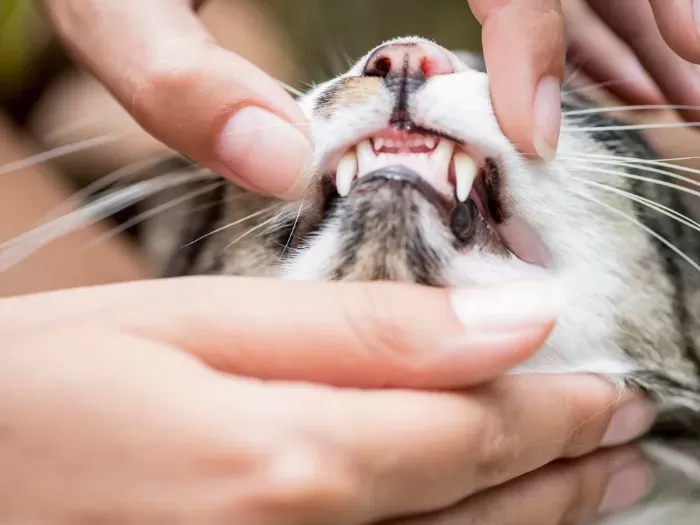
However, in veterinary practice, feline gum color serves as the most intuitive and accurate barometer of a cat’s overall health. Healthy cats consistently show pale pink, moist, glossy gums with fast capillary refill. Persistently pale, white, gray, or bloodless gums typically indicate anemia, insufficient blood oxygen supply, or abnormal internal organ metabolism. Temporary pale gums may stem from short-term stress, cold exposure, or nutritional deficiency, but chronic pale gums are a major warning sign of latent anemia, parasitic infestations, chronic inflammation, liver and kidney disorders, immune diseases, and other severe internal illnesses. Following a standardized veterinary structure, this guide differentiates harmless physiological pale gums from pathological anemia, teaches pet parents how to perform at-home checks, identify anemia severity, screen hidden diseases, and adopt scientific daily care and veterinary seeking standards.
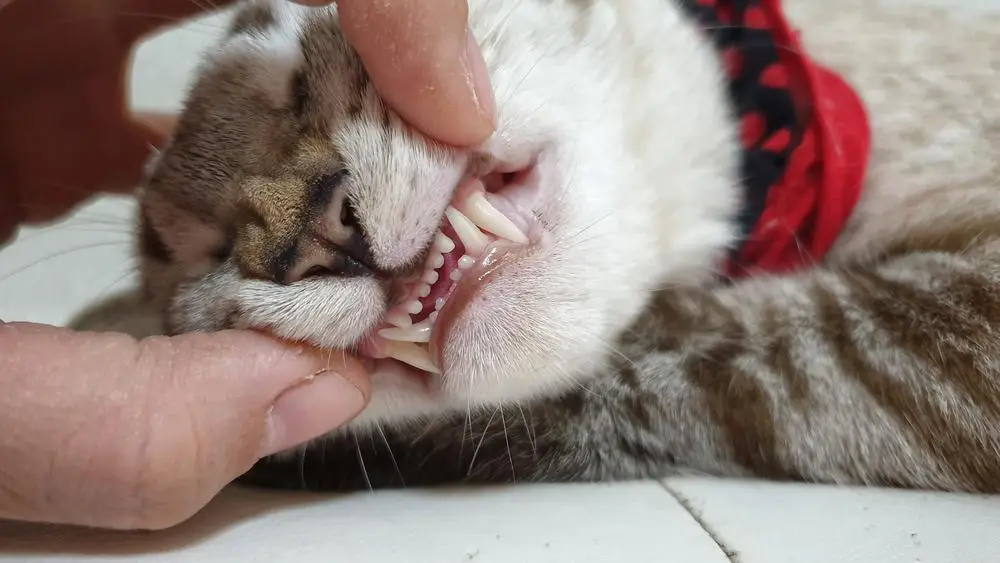
1. Does Pale Gums Mean Sickness? Physiological Pale Gums vs. Pathological Anemia
Not all pale gums indicate illness. Cats can experience temporary physiological gum paleness that requires no medical intervention. Nevertheless, persistent, unimproved pale gums are almost always abnormal health signals. Distinguishing between harmless physiological discoloration and pathological anemia is essential to avoid misdiagnosis and missed hidden diseases.
Physiological Pale Gums (Normal, No Treatment Required)
This condition appears suddenly, lasts for a short period, and resolves independently. Common triggers include prolonged cold floor contact in winter, severe stress from bathing or outdoor trips, temporary blood circulation adjustment after intense activity, long fasting, and slow circulation right after waking up. The gums appear slightly light pink but not stark white or gray. Mucous membranes on the lips, eye conjunctiva, and paw pads still show faint blood color. Affected cats remain energetic, maintain normal appetite, move flexibly, and have no abnormal panting. Gum color returns to healthy pink within 1 to 2 hours after warming up, resting, or eating, with no recurring symptoms.
Pathological Anemic Pale Gums (Abnormal, Mandatory Intervention)
Gums that stay pale for over 24 hours, recur frequently, or turn increasingly white signal insufficient blood supply or underlying disease. Typical symptoms include stark white, gray, or wax-white gums with no pink tone at all. In severe cases, the eye lining, eyelids, paw pads, and abdominal skin also appear pale. The gum capillary refill time exceeds 2 seconds after gentle pressure release. Affected cats show latent abnormalities: lethargy, reduced jumping ability, easy fatigue, weight loss despite normal appetite, accelerated heartbeat, panting after mild movement, cold intolerance, curled posture, and dull, dry fur. Without intervention, mild symptoms will progress to severe anemia and irreversible organ damage.
2. Most Overlooked Mistakes in Managing Cats’ Pale Gums
Chronic anemia and persistent pale gums in cats are rarely caused by innate poor constitution. Most cases stem from long-term owner misjudgments and improper daily care. Many seemingly harmless daily habits continuously cause blood loss, insufficient blood production, and latent hemorrhage, gradually turning mild sub-health into intractable severe anemia. Avoid the following common critical mistakes:
Mistake 1: Believing pale gums only mean weakness and more kibble can fix the issue. Ordinary cat food only meets basic satiety needs and lacks sufficient iron, vitamins, and high-quality protein required for blood cell production. Relying solely on staple food cannot improve anemia and will only allow latent conditions to worsen over time.
Mistake 2: Ignoring pale gums if the cat eats and acts normally. Cats have strong pain tolerance and disease resistance. Mild and moderate anemia rarely affects appetite and energy levels, only causing subtle fatigue and reduced activity. By the time cats show lethargy and appetite loss, they have already developed severe anemia or irreversible internal organ damage, greatly increasing treatment difficulty.
Mistake 3: Over-supplementing with blood-boosting products, liver, and red meat blindly. Excessive animal liver and high-strength tonic foods trigger vitamin A toxicity, severe gastrointestinal burden, and diarrhea, hindering nutrient absorption and causing a weaker body despite supplementation. Improper tonic feeding also places excessive metabolic pressure on the pancreas, liver, and kidneys.
Mistake 4: Only deworming internally and ignoring external parasites. Fleas, lice, and mites feed on feline blood continuously, causing long-term micro blood loss. This is one of the leading causes of chronic anemia and pale gums in indoor cats. Neglecting external deworming leads to recurring untreatable anemia.
Mistake 5: Allowing long-term single-diet feeding and picky eating. A diet limited to dry kibble or excessive snacks lacks iron, B vitamins, and protein essential for hematopoiesis, resulting in nutritional anemia and permanently pale gums.
Mistake 6: Dismissing cold intolerance as a normal personality trait without thermal protection. Prolonged cold exposure, cold abdomen contact, and drastic temperature differences weaken peripheral blood circulation, cause poor blood flow, sustain sub-health paleness, and continuously lower immune function.
Mistake 7: Stopping nutritional supplementation immediately after slight color improvement. Many owners discontinue blood-tonifying care as soon as gums turn slightly pink. At this stage, hematopoietic function remains immature and blood condition unstable, leading to rapid relapse and recurring chronic anemia.
3. Hidden Dangers of Temporary Poor Blood Circulation and Chronic Severe Anemia
Risks of Short-Term Mild Blood Deficiency
Temporary pale gums and mild poor blood circulation usually result from stress, cold exposure, or insufficient nutrition. Timely conditioning achieves complete recovery without aftereffects. If neglected, cats will develop low energy, excessive sleepiness, reduced activity, seasonal colds, gastrointestinal sensitivity, loose stools, and declining immunity, gradually progressing from sub-health to clinical anemia.
Severe Hidden Risks of Long-Term Pale Gums and Chronic Anemia
Chronic anemia means persistent insufficient oxygen and blood supply, leaving all internal organs in a long-term hypoxic state. The heart suffers the first and most severe damage, causing tachycardia, arrhythmia, panting after minor movement, chronic cardiac overload, myocardial hypertrophy, and cardiac strain. Cerebral hypoxia leads to slow response, reduced interaction willingness, laziness, and persistent lethargy.
Sustained anemia drastically weakens immunity, creating a chronically sick-prone body with recurring skin diseases, respiratory infections, and gastrointestinal inflammation. Kitten anemia hinders physical and skeletal development, causing stunted growth, small body size, and poor coat quality. Adult feline anemia triggers endocrine disorders, severe hair loss, heavy tear stains, and unexplained weight loss. Senior cats with anemia face overlapping risks of liver and kidney failure and organ degeneration, significantly shortening lifespan.
Most critically, persistent pale gums serve as the primary early symptom of fatal diseases, including panleukopenia, low white blood cell count, liver and kidney diseases, chronic inflammation, immune-mediated hemolysis, and chronic internal bleeding. Delayed treatment drastically reduces recovery chances.
4. At-Home Gum Check Guide, Daily Care Standards, and Emergency Veterinary Signs
No professional equipment is required to accurately judge whether pale gums are dangerous. A standardized at-home inspection process helps owners distinguish physiological symptoms from disease warnings for early detection, conditioning, and treatment.
Complete At-Home Cat Gum Inspection Checklist
Observe gum color: healthy pink and moist (normal), pale pink (mild weakness), pale white/gray (moderate anemia), wax-white bloodless (severe anemia); test capillary refill: press gums for 1 second and release, instant pink recovery is normal while slow refill indicates abnormality; check auxiliary signs: conjunctiva color, paw pad blood tone, abdominal skin tone, and nose moisture; monitor daily status: lethargy, laziness, panting, cold intolerance, weight loss, and appetite fluctuation; record symptom duration: temporary paleness (physiological) vs. continuous paleness (pathological); review recent conditions: deworming records, stress events, picky eating, cold exposure, and traumatic bleeding.
Standard Daily Care Routine for Feline Blood Health
Maintain a balanced diet and avoid long-term single dry kibble feeding; supplement high-quality protein and blood-nourishing foods regularly; correct picky eating and excessive snack intake to ensure adequate hematopoietic nutrition; adhere to year-round internal and external deworming to eliminate chronic parasitic blood loss; provide full-season thermal protection to avoid cold floor contact, direct cold wind, and temperature fluctuations; reduce frequent bathing, outdoor trips, and environmental changes to lower stress-induced blood consumption; observe gum color, energy, and body condition daily for early abnormality detection; maintain consistent nutritional supplementation throughout the recovery period without interruption.
Emergency Symptoms Requiring Immediate Veterinary Care
Seek urgent medical treatment for persistently wax-white gums with completely bloodless eye lining and paw pads; continuous weakness, unsteady standing, rapid heartbeat, and labored breathing; unexplained progressive weight loss and emaciation despite normal eating; concurrent vomiting, diarrhea, bloody stool, and continuous traumatic bleeding; pale gums plus lethargy and reduced interaction in kittens and senior cats; no improvement or worsening symptoms after two weeks of home conditioning; pale gums accompanied by jaundice and yellowed skin. These conditions require immediate blood work, biochemistry tests, and inflammation screening to rule out severe anemia, hemolysis, hepatorenal diseases, and viral infections.
5. How Age, Body Type, and Physical Condition Affect Feline Blood Health and Gum Color
Kittens (Under 1 Year Old): Kittens are in a rapid growth stage with immature hematopoietic function and high nutritional demands, making them highly susceptible to nutritional anemia. Weak gastrointestinal absorption, picky eating, and irregular deworming further increase the risk of pale gums. Chronic anemia in kittens severely hinders skeletal, physical, and immune development, leading to lifelong poor constitution and frequent illnesses, requiring targeted intensive care.
Adult Cats (1–7 Years Old): Adult cats have stable hematopoietic function and robust physical condition. Persistent pale gums in adults almost never stem from developmental issues but indicate pathological problems, including parasitic chronic blood loss, malnutrition, chronic visceral inflammation, latent diseases, and immune disorders, requiring targeted etiology screening rather than simple dietary supplementation.
Senior Cats (7+ Years Old): Aging causes organ degeneration, declined bone marrow hematopoietic capacity, weakened liver and kidney metabolism, and poor nutrient absorption, leading to age-related anemia. Senior cats frequently suffer from chronic kidney disease, liver disease, and endocrine disorders, all presenting persistent pale gums as a high-risk warning sign, requiring regular physical examinations and long-term refined blood health care.
Physical Condition Differences: Congenitally weak, premature, picky, and gastrointestinally sensitive cats with chronic loose stools have poor nutrient absorption and insufficient blood production, resulting in permanently pale gums. Obese cats often have pseudo-fatness with weak blood circulation, prone to paleness and fatigue. Healthy cats with regular balanced diets maintain consistently pink gums with rare abnormalities.
6. Breed Differences in Cat Blood Condition and High-Risk Breeds for Pale Gums
Extremely High-Risk Breeds (Fragile Constitution & Frequent Anemia): Ragdolls, British Shorthairs, Russian Blues, Persians, and Exotic Shorthairs. These breeds have genetically delicate constitutions, poor gastrointestinal absorption, and sensitive temperaments that easily consume blood health under stress. Weak innate hematopoietic ability makes them the most prone to chronic anemia and pale gums, requiring long-term balanced nutritional care.
High-Risk Sensitive Breeds (Stress-Induced Pale Gums): Silver Shaded, Golden Shaded, and American Shorthairs. These cats have delicate nervous systems and strong stress responses to minor environmental changes, bathing, outdoor trips, or food switching, causing rapid blood consumption and recurring pale gums, lethargy, and physical weakness.
Low-Risk Hardy Breeds (Strong Tolerance): Domestic Shorthairs and mixed-breed cats. Native cats have robust hematopoietic function, strong adaptability, and sturdy constitutions, rarely developing anemia or pale gums under standard feeding. Continuous gum paleness in these breeds strongly indicates severe parasitic infections, viral diseases, or visceral lesions requiring urgent attention.
Hidden High-Risk Long-Haired Breeds: Ragdolls, Chinchilla Persians, and Himalayan cats. Long-haired cats ingest large amounts of hair during daily grooming, forming intestinal hairballs that hinder nutrient absorption, reduce blood production, and gradually cause pale gums, weight loss, and physical weakness—a commonly overlooked cause of chronic anemia.
7. Seasonal Environmental Impacts on Feline Blood Circulation and Conditioning Solutions
Spring: Frequent temperature fluctuations cause unstable vasoconstriction and blood circulation in cats. Reviving parasite eggs increase the risk of chronic micro blood loss. Heavy spring shedding raises nutritional consumption, leading to seasonal pale gums and fatigue. Core care tips: maintain constant temperature protection, adhere to regular internal and external deworming, supplement high-quality protein, and stabilize blood condition.
Summer: High temperatures suppress feline appetite and nutrient intake while accelerating metabolic and blood energy consumption, easily causing qi deficiency, insufficient blood supply, pale gums, lethargy, and excessive sleepiness. Core care tips: provide high-nutrient light diets, avoid stuffy environments, ensure stable food intake, and prevent summer-induced nutritional anemia.
Autumn: Dry weather and extreme day-night temperature differences increase feline respiratory and gastrointestinal sensitivity. Seasonal illnesses and heavy shedding continuously consume physical energy and blood nutrition, causing widespread gum fading and blood weakness. Core care tips: strengthen nutritional supplementation, maintain warmth, reduce stress, prevent seasonal diseases, and minimize blood loss.
Winter: Low temperatures slow peripheral blood circulation, causing cold-induced pale gums and pale paw pads. Prolonged cold floor contact leads to blood stasis, turning temporary paleness into chronic anemia. Core care tips: full-room warmth insulation, cold wind isolation, warm nutritional diets, reduced static cold exposure, and improved blood circulation.
Seasonal temperature shifts, direct air conditioning wind, cold floor contact, frequent bathing, and environmental relocation are the top triggers of feline blood deficiency and pale gums, requiring year-round prevention for stable physical condition.
8. Group Weakness Management for Multi-Cat Households: Cross-Infection and Uneven Diet Issues
It is common for one cat with pale gums in a multi-cat household to be followed by other cats developing gradual physical weakness and blood deficiency. This phenomenon is not coincidental but caused by uneven feeding, parasitic cross-infection, unsanitary environments, and overlapping stress, leading to collective sub-health. Core management principles: separate feeding, full-group deworming, environmental disinfection, unified nutrition, and reduced competitive stress.
Implement independent fixed-point quantitative feeding to prevent dominant cats from seizing food and subordinate cats from insufficient intake, which causes long-term nutritional deficiency and anemia. Equip each cat with exclusive food bowls, water bowls, and bedding to block parasitic and bacterial cross-transmission and avoid collective chronic blood loss.
Clean feeding utensils, replace drinking water, and remove residual food daily; conduct regular full-house disinfection to eliminate parasite eggs and bacterial breeding grounds. If one cat shows pale gums or anemia, perform universal internal and external deworming and synchronized nutritional supplementation for all cats to fix collective nutritional deficiencies. Reduce cat fights, chasing, and resource competition to lower group stress-induced blood consumption and stabilize overall health.
9. In-Depth Analysis: Core Causes of Pale Gums in Cats + Dietary Conditioning & Medical Treatment Plans
Pale gums in cats fall into two major categories: physiological weakness-induced paleness (treatable at home) and pathological anemia-induced paleness (requires medical intervention). Accurate cause differentiation and targeted solutions avoid blind supplementation or excessive panic and completely resolve recurrent pale gum issues.
Five Core Causes of Pale Gums in Cats
Cause 1: Malnutrition and Picky Eating (Over 70% of Cases)
Long-term single dry kibble diets, snack substitution for staple food, meat refusal, and unbalanced nutrition cause insufficient intake of iron, high-quality protein, B vitamins, and hematopoietic trace elements. The lack of raw materials for bone marrow blood production leads to nutritional anemia, characterized by pale pink gums, lean body shape, dull fur, and easy fatigue, with no organic lesions and reversible through dietary adjustment.
Cause 2: Chronic Parasitic Blood Loss (Easily Overlooked)
Flea and tick external blood feeding, combined with intestinal damage from roundworms, hookworms, and giardia, cause long-term micro blood loss. Accumulated minor bleeding develops into chronic anemia, with typical symptoms of normal appetite and energy but persistent pale gums, unexplained weight loss, and dull coats that cannot be improved by simple dietary supplementation.
Cause 3: Excessive Blood Consumption From Environmental Stress
Cats are highly sensitive animals. Frequent bathing, outdoor trips, relocation, food switching, noisy environments, and stranger visits trigger severe mental stress, continuously consuming blood nutrition and inhibiting hematopoietic function, resulting in temporary or persistent pale gums and stress-induced blood deficiency.
Cause 4: Gastrointestinal Malabsorption and Latent Chronic Inflammation
Chronic loose stools, gastroenteritis, and intestinal flora disorders prevent nutrient absorption, causing wasted hematopoietic raw materials and the typical condition of “eating well but remaining weak”. Persistent intestinal inflammation continuously consumes physical energy, inducing anemia and gum paleness.
Cause 5: Organic Visceral Diseases and Viral Infections (High-Risk Pathological Causes)
Feline panleukopenia, feline leukemia, liver and kidney disease, chronic nephritis, immune-mediated hemolysis, chronic internal bleeding, and tumors all present anemia and pale gums as core symptoms. This type of gum paleness signals organ damage and hematopoietic failure, completely unresponsive to dietary supplementation and requiring professional veterinary treatment.
Staged Precision Conditioning and Treatment Plan
Stage 1: Emergency Stabilization Phase (1–7 Days · Stop Blood Nutrition Loss)
Core goals: eliminate all blood consumption sources and stabilize physical condition. Correct picky eating and excessive snack habits to standardize staple food feeding; complete full internal and external deworming immediately to cut off parasitic blood loss; provide full warmth insulation and prohibit cold floor sleeping; reduce bathing, outdoor activities, and environmental changes to minimize stress; adopt small and frequent meals with high-nutrient digestible food to replenish physical strength rapidly; record daily gum color, capillary refill speed, and energy status.
Stage 2: Blood Recovery Phase (7–30 Days · Restore Hematopoietic Function)
Core goals: supplement hematopoietic nutrition, repair physical fitness, and restore pink gums gradually. Maintain balanced diets with appropriate high-quality meat and blood-nourishing supplements to replenish iron and protein; protect gastrointestinal health and improve absorption to prevent nutrient loss from indigestion and loose stools; stabilize living environments and routines to reduce emotional fluctuations; conduct moderate daily interactive exercise to boost blood circulation; monitor gum changes continuously to consolidate hematopoietic function and prevent relapse.
Stage 3: Disease Screening and Treatment Phase (Intractable Cases With No Improvement)
Core goals: identify pathological causes and implement targeted treatment. Seek veterinary examinations including blood work, biochemistry, fecal testing, and viral screening if gums remain stark white after 30 days of home conditioning or are accompanied by weight loss, panting, weakness, and jaundice; follow professional medication guidance for confirmed nephropathy, liver disease, hemolysis, viral infection, and chronic inflammation; maintain long-term blood health care after recovery to avoid recurrence.
Long-Term Blood Health Maintenance and Prevention Strategy
1. Stick to balanced diverse diets and avoid long-term single-food feeding to ensure comprehensive hematopoietic nutrition intake.
2. Adhere to year-round regular internal and external deworming: monthly deworming for kittens and quarterly deworming for adult cats to eliminate chronic blood loss risks.
3. Maintain full-season thermal protection to avoid temperature fluctuations, cold wind stimulation, and low-temperature exposure.
4. Reduce unnecessary stress triggers including frequent bathing, environmental changes, and excessive stranger contact.
5. Protect gastrointestinal health, eliminate chronic loose stools and indigestion, and guarantee normal nutrient absorption.
6. Check gum color regularly for early detection and conditioning to prevent mild anemia from worsening into severe illness.
7. Arrange annual physical examinations for senior and weak cats to screen anemia caused by chronic visceral diseases.
10. FAQs About Pale Gums and Anemia in Cats
Q: My cat eats and acts normally but has pale gums. Is intervention necessary?
A: Yes, intervention is mandatory. Cats have strong disease tolerance, and mild to moderate anemia does not affect appetite and energy, only causing subtle fatigue and reduced activity. Neglect leads to continuous heart, liver, and kidney damage, progressing from mild sub-health to severe organic anemia. Early conditioning ensures complete recovery easily.
Q: Can I feed blood-boosting paste and pork liver directly for pale cat gums?
A: Blind high-dose supplementation is not recommended. Excessive liver and tonic products cause vitamin A toxicity, severe gastrointestinal burden, and diarrhea, worsening physical weakness. Prioritize checking deworming status, diet balance, and absorption issues before gradual scientific nutritional supplementation.
Q: Are winter pale gums and pale paw pads caused by cold or anemia?
A: Cold-induced temporary paleness recovers within 1 to 2 hours after warming. Persistently white gums with slow capillary refill after warming indicate true anemia related to poor constitution, blood loss, or nutritional deficiency, requiring targeted conditioning.
Q: Do all cats in multi-cat households need isolation if one cat has anemia?
A: Full isolation is unnecessary, but separate feeding, exclusive supplies, full-group deworming, and unified enhanced nutrition are required to prevent parasitic cross-infection, uneven diet, and collective physical weakness.
Q: Does kitten anemia affect growth and development?
A: Absolutely. Anemia during kittenhood causes stunted skeletal growth, small body size, low immunity, lifelong poor constitution, and dull fur, serving as a core cause of slow growth and frequent illnesses in young cats and requiring timely blood-nourishing care.
Q: What does pale gums accompanied by weight loss in cats indicate?
A: This combination typically signals chronic parasitic blood loss, gastrointestinal malabsorption, or chronic visceral disease. The symptom of “eating more but losing weight with pale gums” is a typical pathological anemia warning, requiring prompt deworming and veterinary examination for etiology screening.
Q: Can stress-induced pale gums recover completely after conditioning?
A: Yes, full recovery is achievable. Pure stress-induced blood deficiency is reversible. Stabilizing the living environment, reducing stimulation, and supplementing nutrition restore pink gums in a short time with no long-term aftereffects.