How to Help a New Cat Adjust to a New Home Fast? 7 Practical Tips to Reduce Stress

Most cat owners expect their new feline friend to be affectionate, playful, and comfortable right after arriving at a new home. However, it is extremely common for new cats to hide under beds, refuse food and water, meow at night, hiss, or even suffer from stress-induced diarrhea and excessive grooming. Many pet parents mistake these behaviors for shyness or aloofness. In fact, 90% of abnormal behaviors in new cats are typical stress responses caused by environmental changes.
Cats are territorial and environment-sensitive animals. A new house, unfamiliar scents, new owners, and changed spaces can trigger severe anxiety and stress. Mild short-term stress leads to poor appetite, lethargy, and hiding behavior. If left unaddressed, chronic severe stress can cause gastroenteritis, a weakened immune system, elevated risk of viral infections, dehydration, and even hidden organ damage. Instead of waiting for your cat to adapt naturally, you need scientific methods to help them settle in quickly. This comprehensive guide explains the root causes of cat stress, common owner mistakes, hidden risks, and 7 actionable tips to help new cats adapt to a new home within 3 to 7 days.
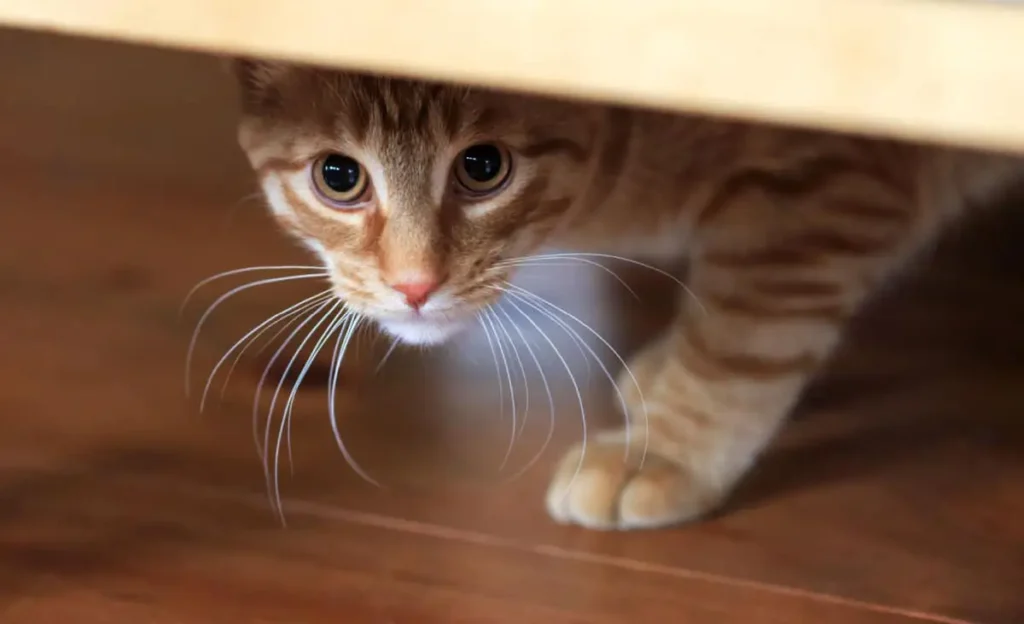
1. Shyness vs Stress: Normal Adaptation Behaviors vs. Dangerous Stress Symptoms
All new cats feel nervous and cautious in unfamiliar environments. Not all hiding or reduced appetite indicates severe pathological stress. Pet owners must distinguish between normal adaptive behavior and dangerous stress reactions to provide proper care and avoid unnecessary anxiety.
Normal Adaptation Reactions (No Intervention Required)
These mild behaviors usually appear within the first 1 to 2 days and are natural self-protection mechanisms. Typical signs include hiding in corners, under beds or inside cardboard boxes, staying alert, moving cautiously, and eating less than usual. New cats tend to rest quietly during the day and explore slightly at night. They maintain stable breathing, no trembling or hissing, normal defecation and drinking habits. With a quiet environment, most cats will actively explore and get familiar with the new home within 2 to 3 days with no long-term side effects.
Dangerous Pathological Stress (Requires Timely Intervention)
If extreme tension lasts for more than 3 days accompanied by abnormal symptoms, your cat is suffering from severe stress that may trigger illnesses. Common warning signs include continuous hiding, complete loss of appetite and water intake, constant trembling, panting, hissing, over-grooming leading to bald spots, diarrhea, vomiting, dull eyes, restlessness and persistent nighttime meowing. Long-term severe stress destroys a cat’s immune system and easily induces various acute diseases.
2. Common Mistakes New Owners Make That Make Cats More Stressed and Timid
Most new cats become increasingly timid and take longer to adapt, not because of their personality, but due to improper owner operations in the initial adaptation stage. Many well-meaning actions greatly increase feline stress and make the new home feel unsafe:
Mistake 1: Forcing cuddles and interaction immediately after arrival. Eager owners often pick up, pet, or hold shy cats forcefully. Without a sense of security, forced contact enhances fear, making cats permanently afraid of human interaction.
Mistake 2: Crowding and noisy observation. Gathering family members to watch, take photos, or tease the new cat creates loud noises and intense stares, keeping the cat in a constant state of alertness and anxiety.
Mistake 3: Performing full maintenance operations at once. Giving baths, applying parasite treatments, administering vaccines, or switching cat food immediately after arrival causes multiple stimuli overlap, triggering severe stress, diarrhea and appetite loss.
Mistake 4: Allowing free roaming in the entire house. Many owners believe large spaces help cats relax. On the contrary, unfamiliar large spaces with complex furniture and unknown scents leave cats with no safe shelter, causing persistent anxiety.
Mistake 5: Frequently checking on hiding cats. Constantly moving boxes, checking under beds, and disturbing resting cats interrupts their self-soothing process and prevents them from relaxing.
Mistake 6: Overfeeding snacks and canned food to bond. A stressed cat has a sensitive stomach. Excessive high-fat snacks and wet food easily cause indigestion, diarrhea and stress-induced gastroenteritis.
Mistake 7: Exposing cats to strong wind and temperature differences. Frequent window ventilation, air conditioning direct wind, and drastic temperature drops lower immunity, causing colds, respiratory inflammation and gastrointestinal discomfort.
3. Hidden Dangers of Mild Adaptation Issues and Severe Chronic Stress in Cats
Risks of Mild Adaptation Problems
Temporary timidity, reduced appetite and hiding are normal adaptive reactions that recover quickly with proper quiet care. However, untreated mild stress can cause disrupted sleep, irregular eating, mild gastrointestinal sensitivity and low immunity, turning short-term adaptation issues into long-term sub-health problems.
Severe Hidden Hazards of Long-Term Feline Stress
Cat stress is more than just “bad mood or shyness”. It refers to systemic endocrine disorders, immune collapse and excessive organ burden. Long-term high tension suppresses appetite and digestion, leading to dehydration, hypoglycemia and physical exhaustion. Persistent gastrointestinal disorders cause chronic diarrhea, vomiting and acute gastroenteritis.
Stress is the top killer of feline immunity. It drastically reduces disease resistance, activating latent viruses and bacteria, and greatly increasing the risk of panleukopenia, feline herpes, calicivirus, skin diseases and respiratory infections. Severe stress in kittens causes stunted growth, dehydration and developmental disorders. Adult cats suffer from over-grooming, alopecia, endocrine disorders and weight loss. Senior cats face aggravated liver and kidney burden and accelerated organ degeneration.
Additionally, long-term stress permanently changes a cat’s personality, turning gentle cats into timid, irritable, biting and scratch-prone pets with hard-to-correct behavioral flaws.
4. Standard New Home Adaptation Routine, Daily Care Rules and Emergency Signs
Helping new cats adapt quickly without stress does not require complicated operations. Following standardized home adaptation procedures helps cats build a sense of security steadily and smoothly pass the adaptation period.
Complete New Cat Home Adaptation Checklist
Seal dangerous areas including windows, exposed wires and sharp corners; prepare a small independent room as the adaptation area instead of full-house free roaming; place food, fresh water, litter box, cardboard shelters and warm bedding in a quiet dim environment; avoid touching, chasing or surrounding the cat after arrival; stick to the original cat food without sudden changes or excessive snacks; daily monitor food intake, water consumption, defecation status, energy and breathing; record hiding duration and activity levels to judge adaptation progress.
Standard Daily Care Routine for Adaptation Period
Limit activities to a small area for the first 3 days to reduce strangeness; maintain a quiet environment and avoid loud noises and frequent disturbances; provide stable and light meals with small and frequent feeding; keep constant temperature and avoid cold wind and air conditioning direct blowing; postpone bathing, deworming, vaccination and nail trimming to reduce stimulation; replace water, refill food and clean litter gently; expand the activity range gradually after the cat takes initiative to eat and interact.
Emergency Symptoms Requiring Immediate Veterinary Care
Seek urgent medical treatment if your cat shows the following signs: no food or water intake for 24 hours; continuous watery diarrhea, bloody stool or frequent vomiting; rapid breathing, panting and constant trembling; extreme lethargy, weakness and dull eyes; high fever, severe sneezing and runny nose; persistent dehydration and weight loss in kittens and senior cats; no improvement or worsening stress symptoms after 3 to 5 days of home care. These conditions require timely examination to avoid acute organ damage and life-threatening risks.
5. How Age, Personality and Past Environment Affect a Cat’s Adaptation Speed
Kittens (2–6 Months Old): Kittens are curious, less vigilant and highly adaptable, usually adjusting to a new home within 3 days. However, they have weak immunity and sensitive stomachs. Although bold and curious, they are prone to stress-induced diarrhea, colds and stunted growth, requiring focused warmth and stable diet care.
Young Adult Cats (6 Months–3 Years Old): This age group has stable physical fitness and moderate curiosity with the strongest adaptability. Most young cats stabilize their mood within 1 to 3 days with a quiet environment and proper care. Their stress issues are mostly caused by human disturbance and noisy environments rather than innate adaptation defects.
Mature Cats (3+ Years Old): Adult cats have fixed territorial awareness and living habits with strong vigilance against new environments. Their adaptation cycle is longer, and they tend to stay timid and hidden for a long time. They require more patience and gentle care during the transition period.
Personality and Environmental Differences: Domestic cats exposed to humans frequently adapt fast with minimal stress. Long-term caged, introverted and shy cats adapt extremely slowly. Stray cats have extreme vigilance against humans and closed spaces, making hiding and food refusal common in the early stage. Bold active cats mainly need environmental control, while sensitive timid cats require reduced external stimulation.
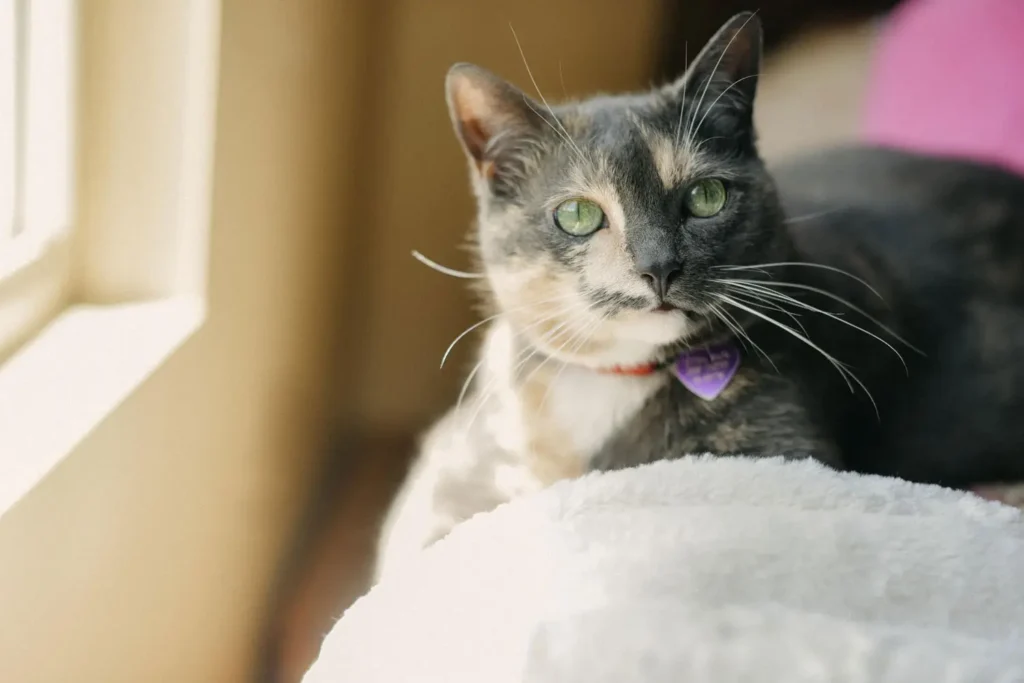
6. Adaptation Differences: Stray Cats, Household Cats, Kittens and Adult Cats
Domestic Pet Cats (High Adaptability, Low Stress): Raised indoors and familiar with human life, household cats adapt fastest to new homes. Their main stress triggers include food changes, unfamiliar scents and new owners. A stable diet and quiet environment allow them to fully integrate into the family within one week.
Rescue Stray Cats (High Vigilance, High Stress): Long-term outdoor survival makes stray cats extremely sensitive to human touch, closed spaces and strange noises. They tend to hide, refuse food and hiss after arriving at new homes, with a long adaptation cycle and high risk of stress diarrhea. The core care method is no forced interaction, sufficient safe space and gradual trust building.
Kittens (Curious but Fragile Immunity): Kittens fear cold and disturbance more than unfamiliar environments. They adapt fast but have fragile bodies. Slight stress easily causes gastrointestinal disorders and colds. The key care points are warmth, quiet rest and stable diet to reduce unnecessary stimulation.
Caged and Breeding Adult Cats (Hidden High-Stress Group): Long-term cage life and lack of interaction make these cats seemingly docile but extremely sensitive and timid. Environment changes easily trigger psychological stress, leading to silence, appetite loss and tension, requiring long-term gentle soothing and environmental adaptation.
7. Seasonal Environmental Impacts and Seasonal Stress Relief Tips
Spring: Spring features unstable temperatures, humid air and active bacteria and viruses. Stress-induced low immunity increases the risk of feline herpes and respiratory diseases. Cats also become emotionally sensitive and restless in spring. Core care tips: maintain constant temperature, avoid morning and evening temperature differences, keep the environment dry and quiet, and stabilize cat immunity and mood.
Summer: High temperature and stuffy environments easily make cats irritable, lethargic and anorexic. Heat accelerates food and water deterioration, increasing gastrointestinal burden. Core care tips: provide cool quiet living conditions, ensure sufficient clean drinking water, maintain a light diet, and avoid noise disturbance to prevent heat-induced stress.
Autumn: Extreme day and night temperature differences and dry air make cats prone to respiratory and gastrointestinal sensitivity. Environment changes plus seasonal transitions cause double stimulation, easily leading to colds, dry cough and diarrhea. Core care tips: night warmth protection, avoid cold wind direct blowing, maintain proper humidity and stable diet to reduce dual stress damage.
Winter: Low temperatures slow blood circulation and increase physical consumption. New cats tend to curl up, tremble, lose appetite and become lethargic in cold environments. Low temperatures greatly delay adaptation progress. Core care tips: indoor constant warmth, soft bedding, cold wind isolation and warm environment layout to help cats relax quickly.
Seasonal temperature differences, noise, humidity changes and direct wind are four major hidden stress triggers for new cats. Adjusting home care methods according to seasons effectively speeds up adaptation throughout the year.
8. Multi-Cat Household Guide: Isolation, Adaptation and Conflict Prevention
Multi-cat families face higher stress risks when welcoming new cats. New cats suffer from stranger anxiety and territorial pressure, while resident cats develop stress, jealousy, aggression and inappropriate urination due to territory invasion and resource competition, causing mutual stress and conflicts. The core management principles are complete isolation, no direct contact, scent exchange and gradual face-to-face adaptation.
Implement strict single-room isolation in the early stage. Provide independent food bowls, water bowls and litter boxes for the new cat to avoid direct contact, hissing, fighting and chasing. This prevents intensified stress in new cats and blocks cross-infection of potential viruses and parasites.
Perform scent exchange first by swapping cat beds and toys to let both sides adapt to each other’s smell before formal contact. After the new cat stabilizes with normal eating and defecation, arrange short supervised meetings, stopping hissing and fighting behaviors in time. Ensure equal resource distribution and avoid favoritism to prevent resident cat jealousy and stress, achieving overall stable adaptation.
9. Root Causes of New Cat Stress + 7 Practical Tips for Fast Home Adaptation
The core reasons for persistent adaptation difficulties and stress in new cats are lack of environmental security and excessive human-caused stimulation. Complicated operations are unnecessary. These 7 practical and effective tips help new cats relax completely, build trust and adapt to the new home within 3 to 7 days.
Four Core Root Causes of New Cat Stress
Cause 1: Unfamiliar Territory and Insufficient Security
Cats’ sense of security relies entirely on familiar scents and fixed territories. All furniture, air and scents in a new home are unfamiliar, leaving cats in a state of constant vigilance, anxiety and hiding, forming persistent stress.
Cause 2: Excessive Human Disturbance and Repeated Stimulation
Excessive attention, frequent petting, surrounding observation and repeated interruption of rest prevent cats from relaxing. Every disturbance deepens their perception of the new home as dangerous, making them increasingly timid.
Cause 3: Overly Complex Environment and No Fixed Safe Zone
Full-house free roaming in the early stage provides overly large and complex space. Unfamiliar furniture and dead corners leave cats without stable resting shelters, maintaining long-term high tension.
Cause 4: Intensive Daily Operations and Overlapping Pressure
Sudden food switching, bathing, deworming and environmental cleaning cause multiple superimposed stimuli, exhausting cats physically and mentally, reducing immunity and triggering severe stress reactions.
7 Practical Tips to Reduce Stress and Help New Cats Adapt Fast
Tip 1: Isolate and Rest in a Small Space First (Core Technique)
Avoid full-house free roaming for new cats! Arrange a quiet small room as the exclusive adaptation area with complete food, water, litter box and warm cat bed. A narrow and stable space quickly builds a sense of security. Gradually expand the activity range after the cat adapts and takes initiative to explore, fundamentally reducing large-scale stress.
Tip 2: Zero-Disturbance Care and Three No Principles
Strictly follow no chasing, no forced cuddling, no frequent checking. Leave hiding cats alone to rest and explore independently. Owners only feed, replace water and clean litter gently. Let cats perceive a safe and harmless environment to quickly lower their vigilance.
Tip 3: Keep the Original Diet and Avoid Sudden Food Changes
Continue the cat’s original food brand for the first 1 to 2 weeks without switching formulas or adding excessive snacks. A stable diet protects gastrointestinal health and reduces physical stress. Adopt the 7-day gradual food transition method only after the cat fully adapts to the new environment.
Tip 4: Build Safe Shelters with Hiding Tools
Prepare closed cardboard boxes, cat tunnels and soft blankets. Cats naturally prefer narrow enclosed spaces that relieve anxiety effectively. Place clean owner-worn clothes near the cat bed to leave familiar human scents and help cats relax gradually.
Tip 5: Maintain a Quiet, Constant-Temperature Environment
Avoid loud noises, guest gatherings, loud audio and frequent door opening and closing during the adaptation period. Prevent air conditioning direct wind, cold floors and drastic temperature differences. A clean, quiet, constant-temperature and dim environment is the best condition for cats to relax and adapt fast.
Tip 6: Scent Soothing to Build Trust Quickly
Place clean owner-worn short sleeves and socks around the cat’s resting area. Cats recognize environments and owners mainly through scent. Continuous familiar scents eliminate stranger fear and promote active closeness and trust.
Tip 7: Delay All Medical and Grooming Operations to Reduce Burden
Only focus on quiet adaptation in the first 7 days. Postpone all irritating operations including bathing, internal and external deworming, vaccination, nail trimming and ear cleaning. Arrange these maintenance items gradually after the cat stabilizes emotionally and physically to avoid overlapping stress stimulation.
Long-Term Maintenance and Stress Prevention Strategy
1. Follow the fixed routine of “rest first, interaction second, free roaming last” and avoid rushing adaptation.
2. Keep the home environment stable without frequent furniture or supplies rearrangement.
3. Maintain a long-term stable diet and reduce high-fat snacks to protect gastrointestinal health.
4. Avoid sudden noises, yelling and chasing to keep a gentle feeding environment.
5. Reserve fixed hiding spots permanently for timid cats and do not remove comforting shelters forcibly.
6. Take isolation and soothing measures in advance during season transitions, moving and guest visits to prevent sudden stress.
10. FAQs About Helping New Cats Settle In and Relieve Stress
Q1: My new cat keeps hiding under the bed. Should I force it out?
A: Absolutely not. Hiding is a natural self-protection mechanism for new cats. Forced disturbance and cuddling will worsen stress, cause long-term timidity and even biting or scratching behaviors. Simply keep the environment quiet, maintain normal feeding and avoid disturbance. Your cat will actively come out to explore once it feels safe.
Q2: Is refusing food and water a sign of severe stress? Should I feed snacks to coax it?
A: Mild anorexia within 1 to 2 days is a normal adaptation reaction. Do not feed high-fat snacks or canned food to coax eating, as stressed cats have sensitive stomachs prone to indigestion and diarrhea. Prepare sufficient clean food and fresh water and wait quietly.No eating or drinking for 24 hours indicates severe stress, requiring timely intervention and veterinary consultation if necessary.
Q3: Can I bathe, deworm or vaccinate my new cat immediately after arrival?
A: No. Bathing, deworming and vaccination are strong irritating operations. New cats are physically and mentally fragile after environment changes. Overlapping stimulation causes severe stress, low immunity, diarrhea and lethargy. Postpone all medical and grooming work until the cat fully adapts to the new home for 7 to 10 days with stable health status.
Q4: How long should new cats be isolated before mixing with resident cats?
A: The standard safe isolation cycle is 7 to 10 days. Follow the step-by-step process of isolation rest, scent exchange, short contact and full cohabitation. This effectively prevents mutual stress, jealousy, fighting and cross-infection of viruses and parasites, ensuring physical and mental health for all cats.